
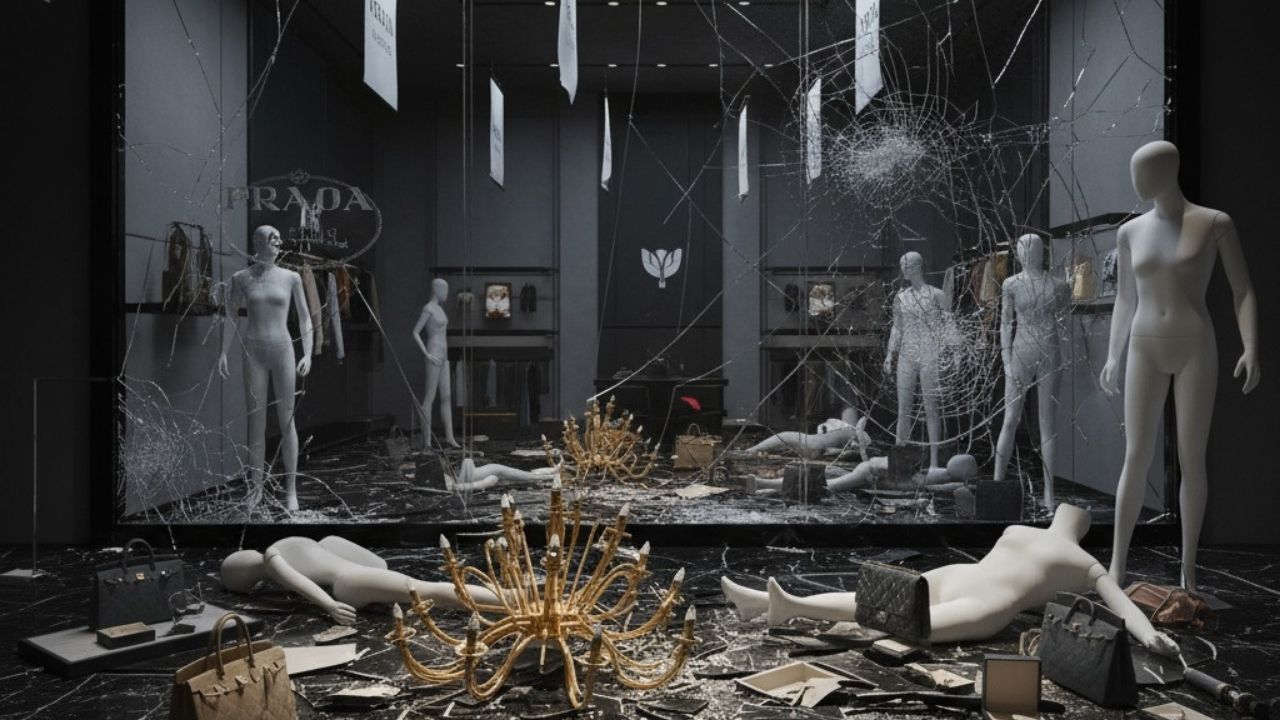
Discussions of the luxury sector usually focus on success stories, legendary brands and the brilliant sales of high-priced products. On the other side of the coin, however, the luxury world has had its share of major failures and disappointments. Behind the glittering windows lie misread markets, excessive self-confidence, rapidly changing client expectations and, at times, brands drifting away from their own identities. Luxury brands are so accustomed to success that they assume every new venture will meet with the same flawless reception. Yet in the world of luxury the margin for error is very small; the greater the expectation, the deeper the disappointment.
There are both psychological and structural reasons behind these failures. Psychologically, when the “illusion of perfection” expected of luxury brands is shattered, consumer trust is quickly shaken. Structurally, strategic mistakes made when entering new sectors, a lack of financial feasibility and disregard for the cultural dynamics of a market put brands in difficulty. Historically, many long-established brands have also faded into the shadow of their own heritage because they failed to capture the spirit of the times and appeal to new generations of consumers. Staying at the top of luxury requires as much mastery as getting there. The disappointments of the luxury world are therefore not merely stories of failure, but also quiet lessons that remind us of the limits of perfection.
Examples of Failure in Fashion and Brand Ventures
The Halston and JCPenney Partnership:
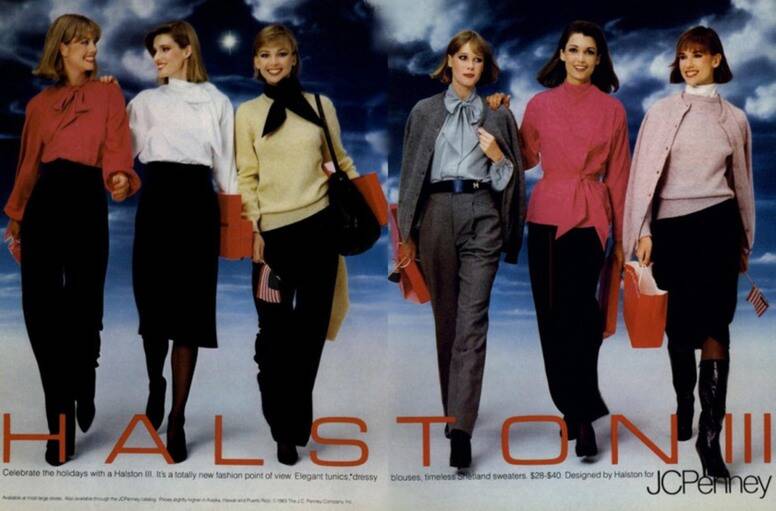
In 1983, Halston, the legendary American fashion designer of the 1970s, signed an agreement with JCPenney stores to bring his luxury ready-to-wear brand to a mass audience. The move was a first in terms of a high-end fashion brand being sold through a mass-market retailer. The result, however, was damage to the Halston brand’s reputation. Upscale clients reacted, feeling that the Halston name had been cheapened. New York’s famous department store Bergdorf Goodman, for example, removed Halston collections from its shelves. The more affordable “III by Halston” collection created for JCPenney failed to reach the expected sales figures. Ultimately, Halston lost control of his company and even the right to use his own name. The case has gone down in fashion history as a classic example of the risks of a luxury brand moving into the mass market.
The Bankruptcy of the Christian Lacroix Fashion House:
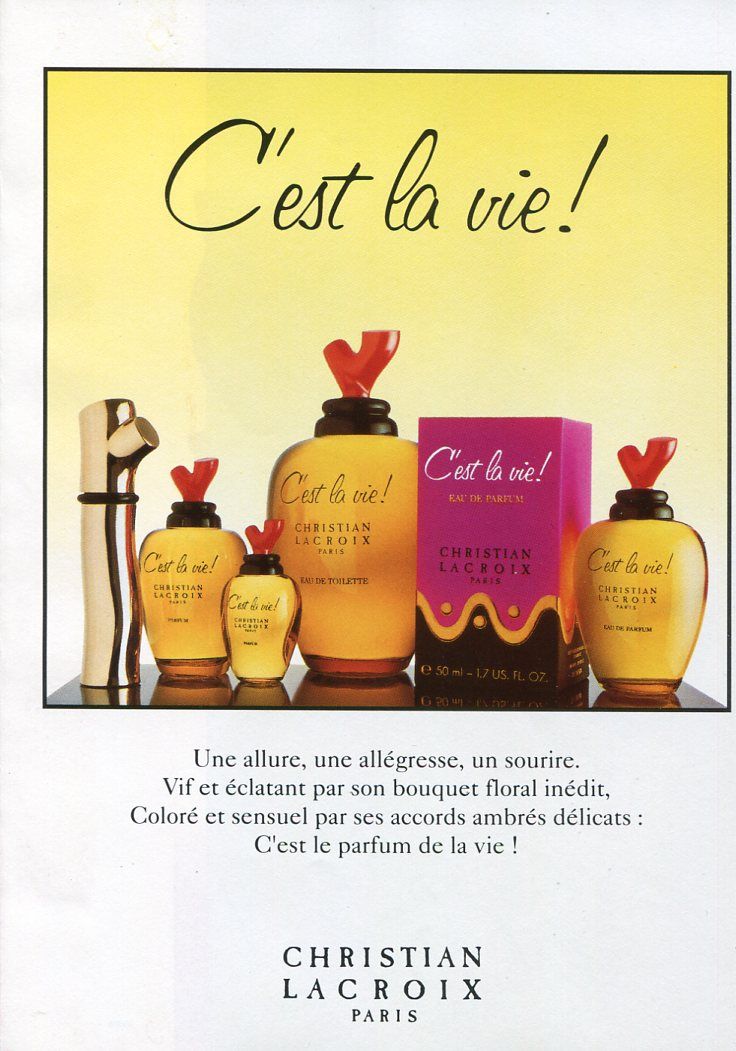
Founded in the late 1980s with the backing of Bernard Arnault, the Christian Lacroix fashion house never managed to turn a profit commercially, despite its creative success in haute couture. Lacroix made his name in the fashion world with the vibrant colours of Provence and avant-garde designs such as the “pouf” skirt. On the commercial side, however, the business suffered chronic failure. From its founding until its bankruptcy in 2009, the brand lost a total of EUR 150 million and never made a profit in a single year. Its first fragrance, C’est la Vie (1990), was a major flop, and Lacroix’s reputation in haute couture could not be translated into products appealing to a wider clientele. When the financial problems peaked, the brand filed for bankruptcy protection. The court ruled that Lacroix’s couture and ready-to-wear divisions would be closed and that the company would continue only with fragrance and accessory licences. As a result, this luxury brand, once worn by stars on the red carpet, was reduced by 2009 to little more than a name with only 11 employees. This sad end to the Lacroix legend showed that creativity alone is not enough for success.
Pierre Cardin’s “Palais Lumière” Skyscraper Project:
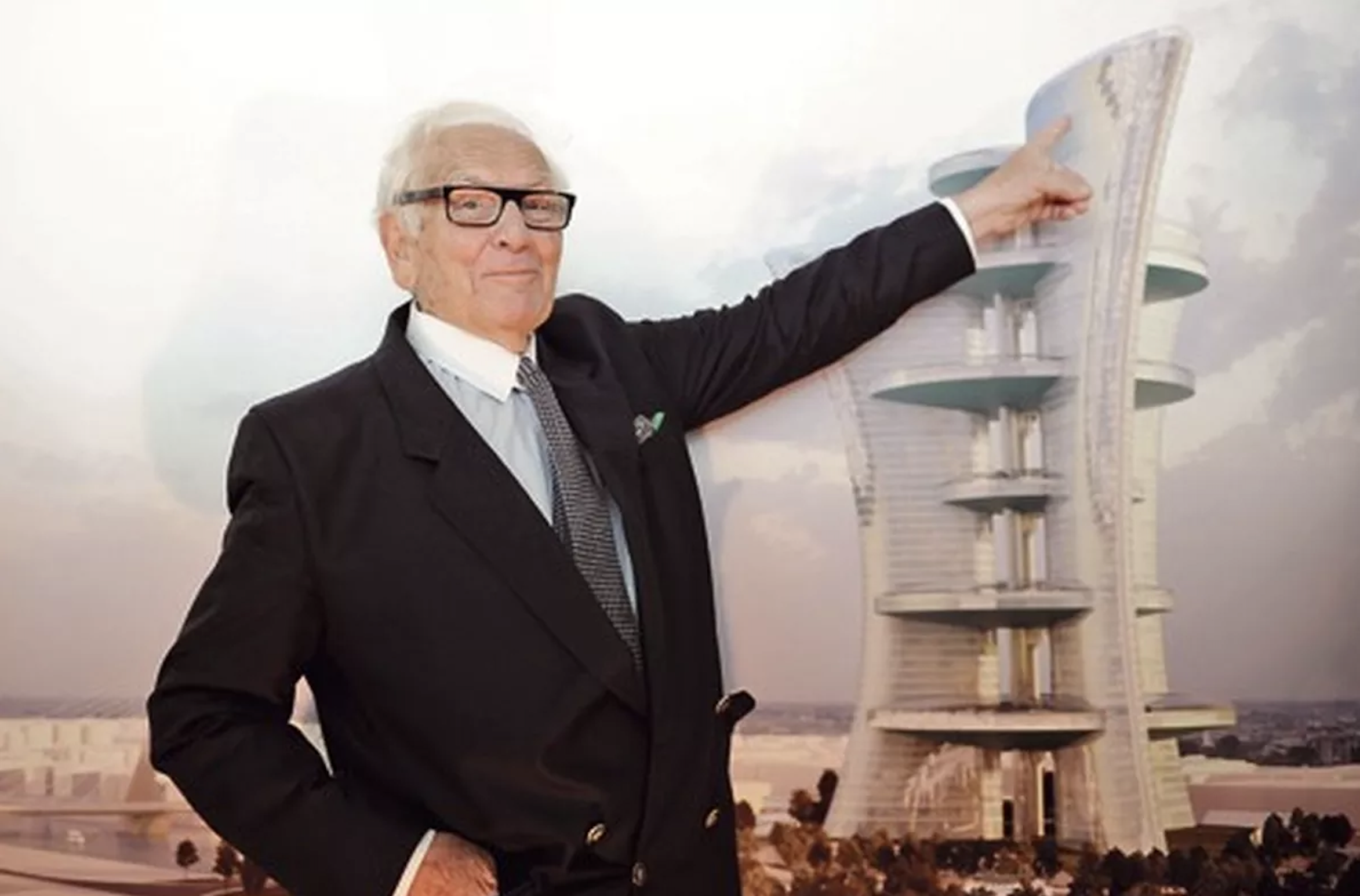
In the 2010s, the renowned French fashion designer Pierre Cardin wanted to undertake an extraordinary venture outside fashion and set out to build a giant skyscraper near Venice. The futuristic Palais Lumière, a 60-storey, 244-metre tower, was designed as a “habitable sculpture” that would house luxury apartments, a hotel, offices and even a fashion university. The people and authorities of Venice, however, reacted strongly. Intense opposition arose over concerns that it would spoil the historic city’s skyline and become “one of the crudest examples of commercialisation”. After languishing for years without approval, the project was finally cancelled by Cardin in 2013. Cardin’s side announced that they were giving up, stating that “the decision was inevitable because we were unable to obtain approval from all the official bodies for more than two years”. This multimillion-euro dream project was shelved before it could be realised, showing that a passion for luxury does not bring success in every field.
Luxury Fiascos in the Automotive and Technology Sectors
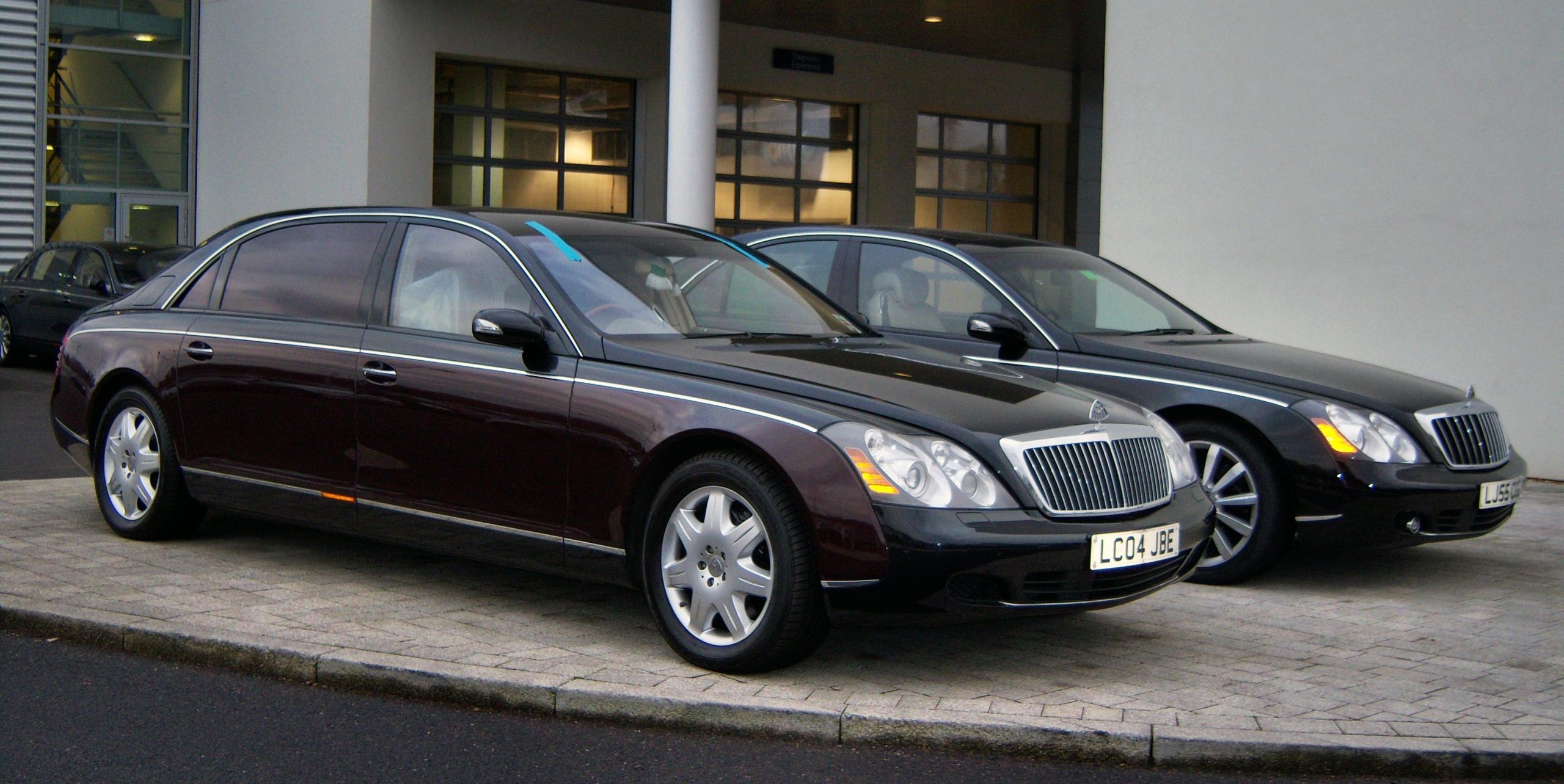
Maybach (2000s):
In 2002, Mercedes-Benz revived the Maybach brand in the ultra-luxury car segment with the aim of rivalling Rolls-Royce and Bentley. The Maybach 57 and 62 models, however, failed to deliver the expected commercial success. Daimler invested around EUR 1 billion in the Maybach brand and ended up losing approximately EUR 330,000 (USD 440,000 at the time) on each car. While annual sales of 2,000 units had been targeted, in reality only a few hundred were sold each year. By the end of the decade, Maybach’s sales stood at only one-fifth of those of its rival Rolls-Royce. Faced with this unsustainable picture, Daimler decided in 2012 to discontinue the Maybach brand. Production ended in 2013 and Mercedes turned once again to serving top-tier clients with its own S-Class models. The collapse of Maybach showed that past glory alone is not enough in the market and that a poorly positioned luxury venture can lead to enormous losses.
Aston Martin Cygnet (2011–2013):
An unusual venture by the world-famous sports car maker Aston Martin, the Cygnet was perhaps one of the most unexpected vehicles in the luxury segment. Essentially a Toyota iQ microcar adorned with Aston Martin details and badging, the Cygnet was the product of the brand’s effort to reduce its average emission figures. Launched in 2011 at around GBP 30,000, this tiny city car was promoted as a “luxury solution” that Aston Martin clients could use in daily traffic instead of their Ferraris or Lamborghinis.
However, it was widely ridiculed by critics and customers alike. Lacking the performance and aesthetics expected of an Aston Martin, the Cygnet saw an extremely low production run of only around 150 units, and the model was quietly discontinued in 2013. Even Aston Martin CEO Ulrich Bez later admitted that the Cygnet may have been an idea ahead of its time. The Cygnet project is a lesson in how a luxury brand venturing into a product at odds with its identity can turn into a marketing and sales failure.

The Vertu Luxury Phone:
Adorned with materials such as handmade leather and titanium, these phones were marketed as status symbols in the 2000s. Vertu is one of the most interesting failures at the intersection of luxury and technology. Founded within Nokia in 1998, Vertu produced bespoke mobile phones for wealthy clients. With extras such as gold plating, titanium casings, sapphire screens, handcraftsmanship and a 24/7 concierge service, some models sold for more than USD 30,000. Despite their lavish materials, however, Vertu phones lagged behind the times technically. Even the most expensive models lacked up-to-date smartphone features. In the end, the expected demand did not materialise and the company became mired in debt. When Vertu went bankrupt in 2017, it had debts of around GBP 128 million. When the new owner offered creditors only GBP 1.9 million, the factories closed and nearly 200 employees lost their jobs. The collapse of Vertu is a striking example proving that, in the technology sector, a luxury image cannot be sustained without innovation and functionality.

Fiascos in Luxury Experiences
Etihad Airways First Apartment – The A380 Project (2014–2020):
With the A380 “First Apartment” concept introduced in 2014, Etihad Airways broke the mould in luxury aviation. The experience, offering private in-flight suites, showers, lounges and even a two-person private apartment called “The Residence”, was priced at more than USD 20,000 per person. The model, however, proved unsustainable.
The high operating costs of A380 aircraft, limited customer volume and reduced travel demand after the pandemic led Etihad to abandon the project. By 2021, Etihad had retired all the A380s in its fleet, and this ultra-luxury concept became history. Although customer satisfaction was high, the example showed that the sustainability of luxury must be supported by financial feasibility.

RMS Titanic (1912):
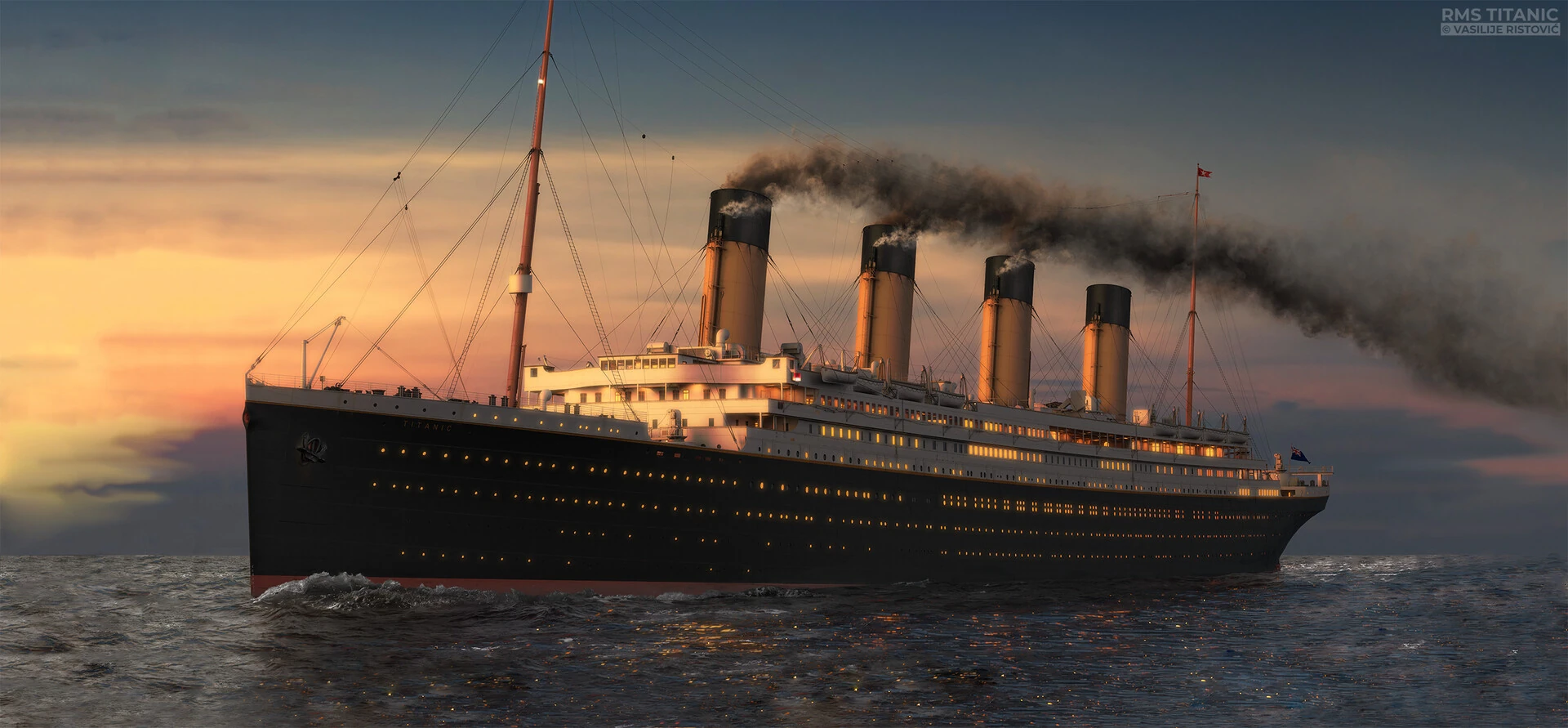
Promoted as the “unsinkable ship”, the Titanic was the most luxurious and magnificent passenger liner of the Edwardian era. First-class cabin tickets were sold at the time for astronomical sums of up to USD 4,350 (around USD 142,000 in today’s money), promising unprecedented splendour in return. Yet on the night of 15 April 1912, on her maiden voyage, the Titanic struck an iceberg and sank within 2 hours and 40 minutes. At least 1,500 of the 2,224 passengers and crew lost their lives. The tragedy was recorded as one of the worst peacetime maritime disasters in history. The sinking of the Titanic became a symbol of how even luxury and power can turn into catastrophic failure when combined with overconfidence. Technological innovation and lavish design could not prevent disaster when combined with safety shortcomings and poor planning. The Titanic painfully taught the importance of risk management and infrastructure, even in luxury experiences.
The Collapse of Luxury in the Retail World
The Bankruptcy of Barneys New York (2019):
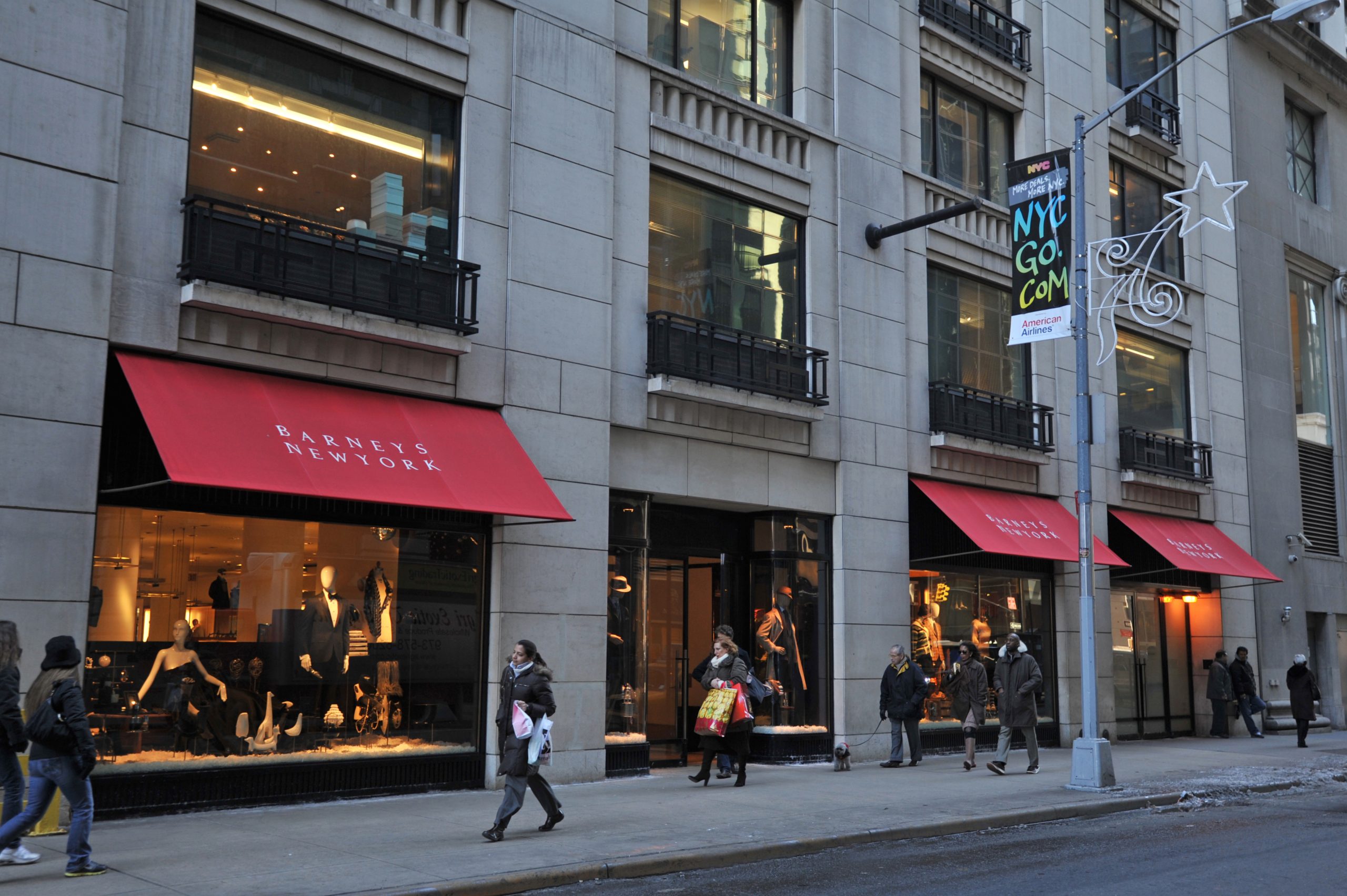
Founded in 1923, the legendary luxury fashion store Barneys New York was one of the symbols of American luxury retail for almost a century. Changing market conditions, however, brought Barneys to its knees as well. In the 2010s, rent costs soared (the rent on its Madison Avenue flagship was suddenly raised by 72%) and the company fell behind in competition with online rivals. In 2019, Barneys filed for bankruptcy for the second time; while creditors awaited payment, “Everything Must Go” signs appeared in the stores. The closure of Barneys was described as “the end of an era” and was met with great sadness, especially in New York’s fashion circles.
Experts summarised the reasons for Barneys’ collapse as the failure of the classic luxury retail model to adapt to changing consumer habits: high operating costs, vast store spaces, failure to move to e-commerce in time and an inability to appeal to new generations of clients.
Following the bankruptcy, the Barneys brand was sold. Its physical stores closed and the name will live on through limited concepts. The Barneys case is a striking lesson in how even a long-established luxury brand can disappear as a result of flawed strategy and a failure to read market dynamics.
As we have seen, failures in the luxury sector can be just as instructive as success stories. What these examples have in common is the fact that luxury brands can stumble for reasons such as poor strategic decisions, overconfidence, ignoring market realities or overexpansion.
Fashion giants can damage their brands through the wrong partnerships, car makers can fail to find buyers for products that do not suit their identity, luxury products disconnected from innovation can go unsold in technology, and major events can turn into scandals through poor management.
However great the allure of luxury, these disappointments remind us that every major venture carries risk and that even luxury consumers do not forgive mistakes. For sustainable success, luxury brands therefore need to be both creative and prudent, reading client expectations correctly and protecting their reputation.


