
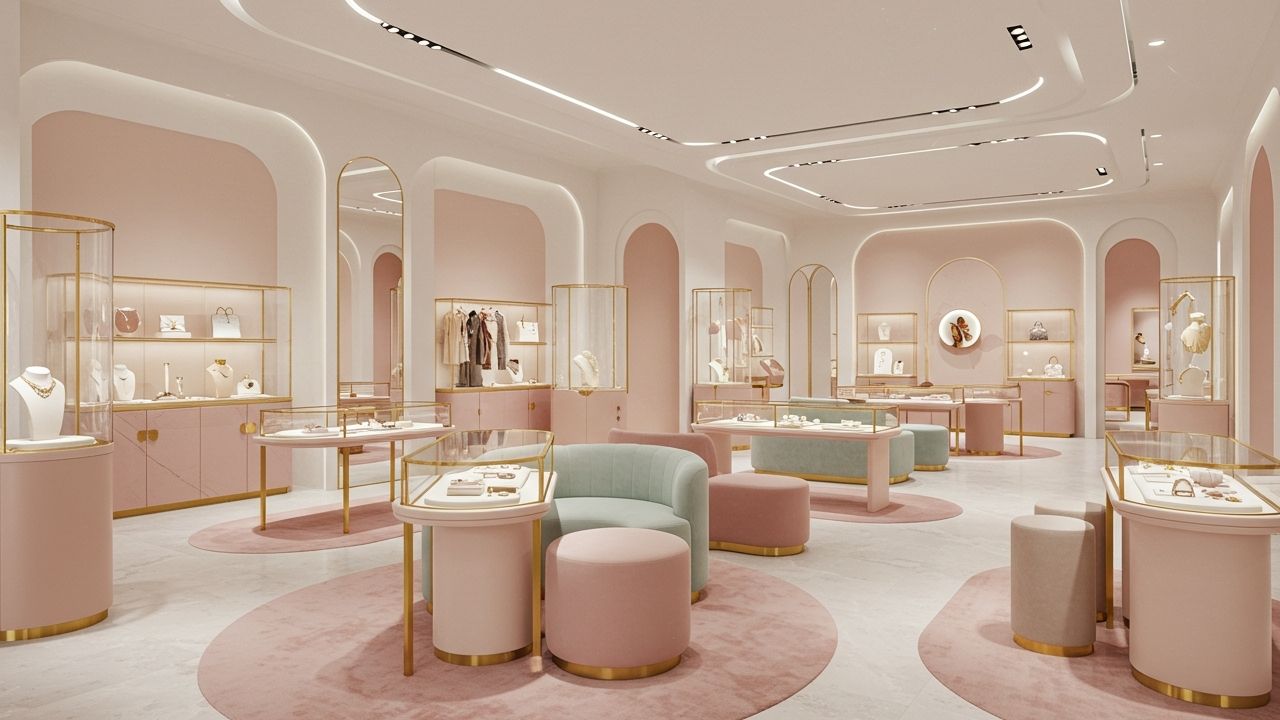
The luxury market is defined by values and consumer behaviours that are distinct from those of mass consumption. In luxury, a product goes beyond mere functionality; what matters is what it symbolises and the feeling it awakens in the client. Luxury consumers seek differentiation, distinction and the display of status; a luxury product meets their identity needs and gives them the feeling of being “special”.
In this segment, the focus is not on price but on value.
If clients perceive superior value in terms of prestige and exclusivity, they may be willing to pay up to ten times more for a product that performs the same function. Luxury is, in essence, a reflection of status. It represents how people feel about themselves and how they present themselves to others. The critical element here is the sense of exclusivity.
Luxury and scarcity go hand in hand: limited availability fuels desire. Products made in limited numbers or from rare materials create a perception of scarcity that increases demand among discerning buyers. Indeed, according to one industry survey, 67% of luxury consumers consider uniqueness and exclusivity to be among the most important factors when choosing a brand. This principle explains why luxury brands are more resilient in times of crisis: loyal clients continue to invest in these brands’ products as long as their exclusive aura remains intact. In short, what is sold in the luxury market is not a product but dreams, status and experiences. Functionality recedes into the background; the excellence, heritage and emotion conveyed by the brand come to the fore.
The Key Principles of Turning the Ordinary into Luxury
Elevating an ordinary product or service into the luxury segment is not simply a matter of changing the price tag. It requires reshaping the entire value proposition, from design and quality to brand story, distribution and communication. The key elements to consider in such a repositioning can be summarised as follows:
Excellence in Design and Flawless Quality:
Luxury begins with a flawless product. This means adopting an original, timeless and elegant design with exceptional quality in every detail. Luxury brands select the finest materials (exquisite leather, rare woods, precious metals and stones) and pursue excellence at every stage of production. Master craftsmanship is essential: every stitch and every joint must be flawless and executed by skilled artisans. A client who holds a luxury product should immediately feel the difference in quality and workmanship. If your current product is of medium quality, you must improve every step, from the choice of materials to production processes and quality control, to meet luxury expectations. Top-tier automotive brands such as Rolls-Royce, for example, personalise each car by hand according to the client’s wishes and ensure there is no flaw in even the finest detail. In this way, they make excellence in design and quality the standard.

Rare Materials and Master Craftsmanship:
The move to luxury requires nobility in materials and mastery in production. Beyond using the best materials, consider incorporating rare or unusual elements: raw materials from limited geographical sources, textures used only in special collections or handcrafted components. The aim is for the client to feel that they own “the best of the best” in their category. Traditional craftsmanship gives the product a cultural and historical dimension and adds authenticity. If your brand has a long heritage, be sure to highlight it; if not, bring your expertise and timeless values to the fore. Research by Bain & Company shows that 53% of luxury consumers attach importance to brand heritage and tradition when making a decision, because it makes them feel part of a long tradition of excellence. A product in which mastery meets techniques passed down through generations therefore gains additional value in the luxury segment. Hermès Birkin bags, for example, are made entirely by hand by master artisans from the finest leathers, each bag being the result of weeks of work. This reflects both the splendour of the choice of materials and the prestige of craftsmanship, making the product collectable and highly coveted.
Brand Narrative and the Power of Storytelling:
Storytelling is an important component that makes a product luxurious by adding meaning and mystique. A successful luxury strategy builds a rich brand narrative that draws the client in: the brand’s story, its passionate origins, its values and the almost artistic process behind each creation are shared with the client. When luxury brands emphasise their heritage or the inspiration behind a product, they imply that they are offering the client more than an object (the client is in fact buying a dream). Compelling stories build emotional bonds with clients and make them part of a special world. Associating a product with an aspirational lifestyle or iconic figures (such as a fashion designer’s vision or the choice of a famous name), for example, gives it a magical appeal. Rather than “selling” directly, a luxury brand should connect with and seduce the client. Storytelling should therefore permeate every point of communication (from the website to the packaging, and from the store atmosphere to advertising) to strengthen the perception of luxury. Chanel, for example, does not simply sell a fragrance; it weaves Coco Chanel’s visionary spirit, the golden age of Parisian fashion and the idea of freedom into every advertisement. The client thus feels they are buying not a bottle of perfume but a part of that legendary story.

Scarcity Strategy and a Sense of Exclusivity:
Making clients feel part of an exclusive club lies at the heart of luxury. When repositioning your product, implement strategies that limit access and reinforce uniqueness. This might mean producing only a limited number of items or releasing limited editions for specific periods, offering bespoke personalisation for each client (so that every client owns something entirely their own), or even operating waiting lists and invitation-only launches. The illusion of scarcity increases desire: what is hard to obtain is automatically seen as more valuable. Provide a sense of exclusivity not only for the product itself but also for the process of buying and owning it: the client should feel special from their very first encounter with the brand. Some luxury watchmakers such as Patek Philippe, for example, limit certain models to a few hundred pieces a year and manage substantial waiting lists; Ferrari offers its most exclusive car models first to selected clients. These practices give collectors and loyal clients a sense of being chosen. Ultimately, in the luxury market you do not sell products, you sell belonging; your client wants to know they are a member of a privileged group.

A Pricing Strategy Suited to Luxury:
Once your product has acquired a luxury identity, the next step is to reposition its pricing and communicate that value correctly. In luxury products, price has a strategic function: rather than acting as a deterrent, a high price reinforces the perception of quality and status. Consumers often adopt the idea that “if it is expensive, it must be excellent”, so price functions as an indicator of superiority. To emphasise exclusivity, luxury brands generally set their prices well above mere cost. The critical point, however, is to communicate the value behind the price correctly to the client. Rather than trying to explain a high price through dry cost items (materials, labour and so on), focus your message on intangible elements: unique craftsmanship, the privilege of belonging to an exclusive group, the aspirational lifestyle that accompanies the product… For example, rather than saying “This watch is expensive because it is made of gold”, it is far more effective to say “This watch was crafted by hand by master Swiss watchmakers in 18-carat gold, built to last for generations”. Language matters: many luxury brands speak of investment rather than price; they use words such as special edition or limited opportunity instead of discount, and compliments of the house instead of free. Another subtle tactic is to leave price information until late in the sales process; it is never put forward as a hook. You rarely see price tags in luxury advertising: desire is created first, and the price comes later.
Entering into comparisons with competitors also makes little sense in luxury; your product should not be “an option” in the market, but the point of reference. Finally, great care must be taken with promotions and discounts. Constant discounting in the luxury segment damages the brand’s image of exclusivity. Even if incentives are offered, they should be very limited, justified and aimed only at select audiences (for example, a private preview exclusively for VIP clients). What matters is that every pricing move reinforces the brand’s exclusivity and never cheapens it. In short: a high price, yes, but supported by a solid value story. Tell your target audience why your product is worth more: through its unique quality, the status it confers, the emotional satisfaction it brings and the exclusive experience it offers. Price then ceases to be a barrier and instead becomes a confirmation of prestige.

Creating Value Through an Exceptional Client Experience:
In luxury, the product alone is not enough to justify the price. The holistic client experience completes the value proposition. A top-tier product must be offered together with an equally distinguished service and environment. Create a luxurious atmosphere that envelops the client from the very first moment. If you have a physical store, ensure that its location carries symbolic prestige (for example, an iconic building or a prestigious street, furnished with elegant décor). The luxury client expects privacy and personalisation. A client visiting an exclusive boutique, for example, should be welcomed by name in an environment evoking grandeur and prestige and receive special attention. Details such as warm lighting, soft music and even a signature brand scent draw the visitor into the brand’s story. If your sales channel is digital, the look and feel of your website or app should also reflect elegance: flawless web design, a smooth browsing experience, high-quality visuals and perhaps the option of real-time online consultation…
In luxury, client service means anticipating expectations and consistently exceeding them. Your teams should provide service that is attentive yet discreet; every employee should have strong product knowledge but never be intrusive. Personalisation plays a key role here: knowing your client’s name, preferences and purchase history, and acting accordingly, makes them feel valued. (Even mass-market brands such as Starbucks have successfully used first-class experience elements, such as baristas writing names on cups or offering pleasant spaces with comfortable seating. Luxury brands take this much further, offering privileges such as dedicated client advisors, personal shopping consultants, complimentary lifetime care guarantees and private collections available only to loyal clients.) In addition, increase value by offering complementary experiences beyond the core product. To justify higher prices, offer your client things they cannot find anywhere else: invitations to VIP events, exclusive gifts, access to private clubs or digital content platforms… In this way, you create a sense of community and belonging. Luxury is not just about selling a product; it is about selling a lifestyle.
Finally, consistency across all channels is essential. In the digital age, the quality of online service must be as excellent as the in-store experience. Research shows that many luxury brands still lag behind on digital platforms compared with their physical store experience; in a recent Norstat survey, for example, 72% of consumers said they found luxury brands’ online experience weak compared with the prestige of their physical stores. This in fact points to an area of opportunity for brands. Innovations such as virtual consultation services, augmented-reality try-ons and AI-powered personalisation can bring the VIP service approach online. In short, true luxury lies not in a label or logo, but in a unique experience that envelops the client from the first moment to the last.

Selective Distribution and Communication Strategies:
Where and how a luxury brand sells is as important as what it sells. In terms of distribution, luxury deliberately avoids the mass market. This approach usually means having flagship stores in symbolic locations. If your product has previously been available “everywhere”, it is time to restrict access: build a limited distribution network of your own exclusive boutiques, carefully selected high-end e-commerce platforms or authorised luxury retailers. Nespresso offers a fine example of this strategy: when it first launched, it stayed away from supermarket shelves, opening only its own boutiques in prestigious locations and making clients feel special through its “Club Nespresso” membership system, thereby turning even coffee into a luxury experience.
Luxury can also encompass invitation-only or membership-based sales models. Some famous watch brands, for example, create waiting lists for new models, while the Airbnb Luxe platform admits hosts only after a rigorous 300-point inspection, ensuring that the properties in its portfolio remain exclusive and above a certain standard. Online luxury sales should also remain selective; broad marketplaces open to everyone should be avoided, or at least membership or login should be required to view the full catalogue. In luxury, less is more: fewer but highly prestigious points of sale protect your brand’s aura.

On the communication side, luxury marketing also requires an approach entirely different from that of the mass market. Rather than reaching broad, high-volume audiences, luxury focuses on the qualified and the targeted. Prominent channels include luxury magazines, sponsorship of prestigious events and art and cultural events. Even social media presence is curated with particular care: your Instagram account, for example, should look aesthetic and refined, almost like an art gallery, rather than a product catalogue. Rather than selling a product directly, your advertising should celebrate the lifestyle that product represents. Public relations and word-of-mouth reputation are of critical importance to luxury brands. Many luxury brands collaborate with well-known ambassadors such as fashion icons, designers or influential figures in niche fields. These collaborations reinforce your brand’s desirability; however, the faces and partnerships chosen must be aligned with the brand’s values, or the luxury image may suffer.
Finally, luxury communication always preserves a certain sense of mystery and distance. In contrast to the mass market’s attitude of being accessible everywhere, luxury projects an image that is inviting yet hard to reach. Always weigh your messages carefully; rather than addressing everyone everywhere, reach the right audience selectively. Your choice of language, visuals and media should support the perception of prestige. In your advertising campaigns, for example, rather than talking about the product’s price advantages, emphasise its unique features and the lifestyle it brings. Use personalised messages that make clients feel part of a community. Remember, in the world of luxury, less is more: rarity, limited accessibility and appealing to a select few make your brand all the more desirable.
Ultimately, Luxury Is More Than a Product
In summary, transforming a product or service into luxury is not merely about inflating the price tag; it requires a comprehensive transformation, from the essence of the product to the emotional bond built with the client. Luxury appeals to identity and emotion rather than functionality. While perfecting your product’s design and quality, it is therefore essential to weave a rich story around it and to create a distinguished image and experience. Remember, what you are really selling in the luxury sector is a dream and a lifestyle. To the extent that you make your clients feel truly special and offer them a sense of status and belonging, an ordinary product becomes a symbol and attains true luxury value. This will take your brand from being merely an option to becoming a coveted point of reference.


