

Unlike any other crisis, the Covid-19 pandemic has had an unprecedented impact on all of us globally, with a persistent lack of predictability at every level.
Its financial impact worldwide has also been dramatic. Economies and markets show little sign of recovery or a return to normal.
Concerns arise about our health and well-being, particularly when medical experts state every day that the virus still has many unknowns. Critical information, such as the risk of reinfection, remains unknown.
Alongside the daily Covid-19 statistics, we are constantly “warned” or “informed” not to travel to certain countries. On returning home from abroad, we face quarantine. And these days many flights are cancelled at the last minute.
Luxury hotels and luxury stores (venues operating physically) cannot claim that their clients’ primary concerns are anything other than Covid-19.
If luxury hotels handle their overall communication (especially on social media) professionally and sensibly, they will be able to address critical issues that can prove extremely beneficial.
For example:
– Providing detailed information about the size of the hotel, and stating that ideally 50 to 150 rooms are ready, so that all measures can be applied consistently.
– Consumer behaviour has changed and will continue to change because of the pandemic. Consumers will therefore prefer more secluded, less ostentatious hotels that inspire a different kind of desire, over opulent ones.
– Owing to the Covid-19 statistics, different consumer profiles have begun to emerge. Hotels should provide information suited to these profiles: open spaces, terraces, gardens and details of renovations in line with the new arrangements.
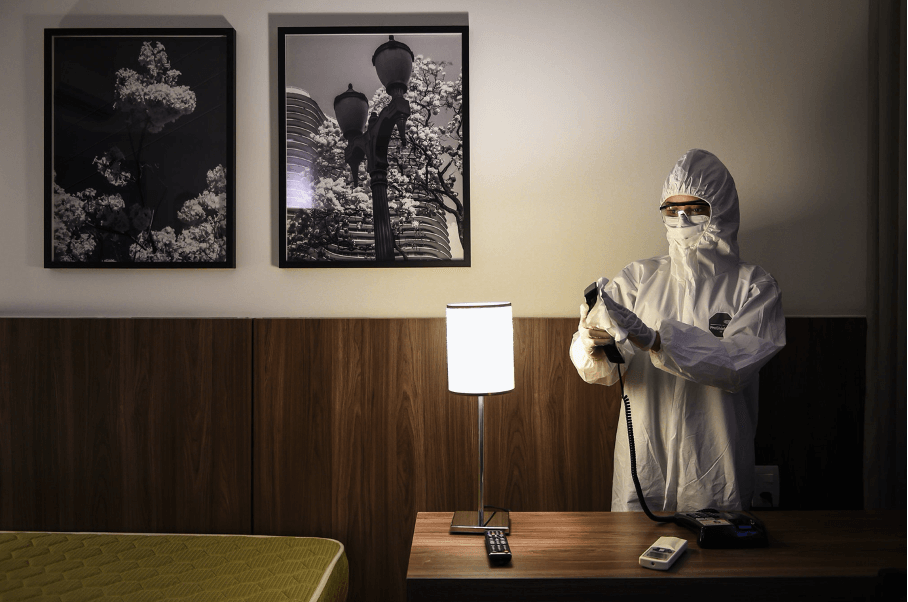
– Going beyond air conditioning and simple recirculation systems to present systems that bring in fresh air; explaining that rooms are cleaned and disinfected (options include ozone or silver-particle air purifiers) and left vacant for at least one day between guests staying in the same room.
– Information about fresh linen and new towels.
– Private airport transfers plus a meet-and-greet service included with certain room and suite categories.
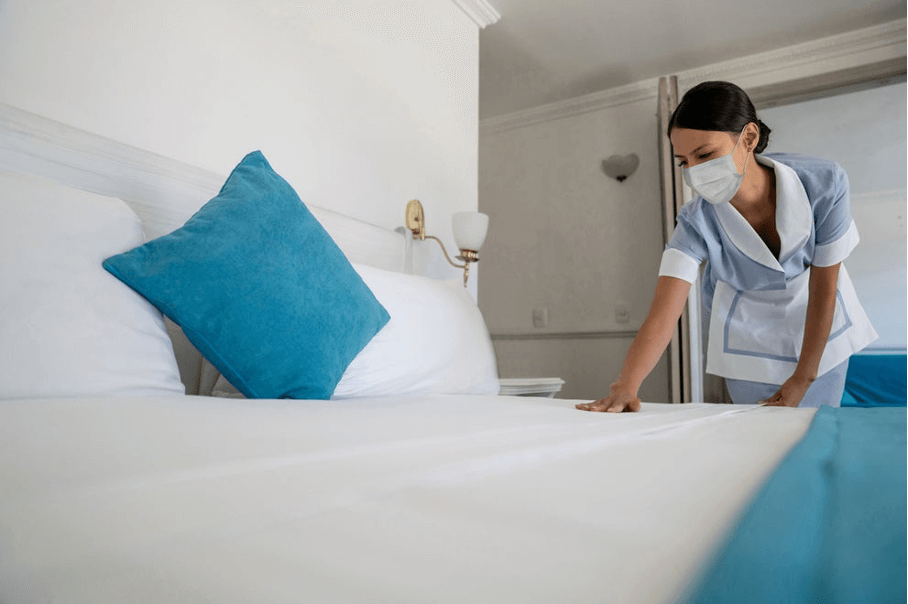
– Housekeeping (daytime and turndown service) should be provided only on request, with guests indicating their preferred time at check-in. Guests need to be assured that no one will touch their personal belongings.
– Information about bathroom products from a prestigious cosmetics brand (but no longer organic products), and assurance that all guests are provided with safety and hygiene kits suitable for full-body cleansing, particularly when showering. And that every two days they provide both disinfectant wipes and a small disinfectant spray that guests can use to disinfect their mobile phones, tablets or laptops.
– That they have established points of contact to provide the latest information on the hygiene manager and department (open 24 hours a day, 7 days a week, in shifts).
– Informing guests in detail, yet concisely, about local regulations and restrictions.
– Informing guests about crowded areas to avoid, or suggesting better times when those places may be less crowded.
– Stating that the hotel has very clear protocols should a guest show symptoms; establishing contact with a specialist doctor and a designated clinic or hospital, and stating so.
– Front office and concierge: private car/chauffeur services for airport transfers, shopping and even sightseeing — a car provided by the hotel, which the hotel can inspect to ensure the highest standard of cleanliness.
– Information that staff are tested regularly. For example, staff in public areas always wear masks and gloves, with medical masks preferred over “fashion” masks. Branded masks are preferable, as they will take root more firmly in the subconscious.
– All of these matters should be communicated in the most effortless yet very rigorous manner.
This can be achieved through comprehensive, well-informed training and case studies.
To offer some different ideas:
** Creating some points of difference will also be beneficial: creating exclusive and safe experiences, and developing creative ideas.
For example, a suite could be transformed for a limited period into the most luxurious private venue, where guests can enjoy an extraordinary menu.
** Or completely transforming an existing restaurant: a new menu and new interior design; for rooms or suites with terraces, breakfast or a private dinner (weather permitting); a luxury spa; a comprehensive minibar; and the finest organic cosmetics and beauty products that guests can use to recreate a spa experience in their room (essential oils for the shower or bath, face masks, hair masks, body lotions).
** The hotel could place a brochure containing various recommendations.
** Brand-new, branded luxury bathrobes (fashionable), pyjamas and luxury slippers. A welcome box could be placed in the room on arrival.
** Experiencing behind the scenes in the pastry kitchen, including a private wine tasting.
** A brand partnership with a luxury car manufacturer, offering a complimentary driving experience within a 5 km radius.
** A mobile smartphone for private use during each stay. With integrated apps, guests can order any meal, dine in their room, use the phone as a key, and access concierge tips, the in-room spa menu, messaging or a hotel guest-services agent around the clock.
** Energy-boosting food and drink on every menu from breakfast to dinner, as well as in-room dining and products that can strengthen the immune system.
** In-room dining experiences: a “movie night” or “pyjama party” with a popcorn machine, an ice-cream minibar and a larger screen.
** A red fashion trunk filled with fashion and accessory options curated by a renowned stylist. A similar trunk could be arranged for jewellery.
** Unconventional activities and experiences.
** Experiences away from the crowds, in venues or areas with a minimum of visitors.
I could write more, but that would enter the realm of consultancy services.
Wishing you healthy and joyful days.


