
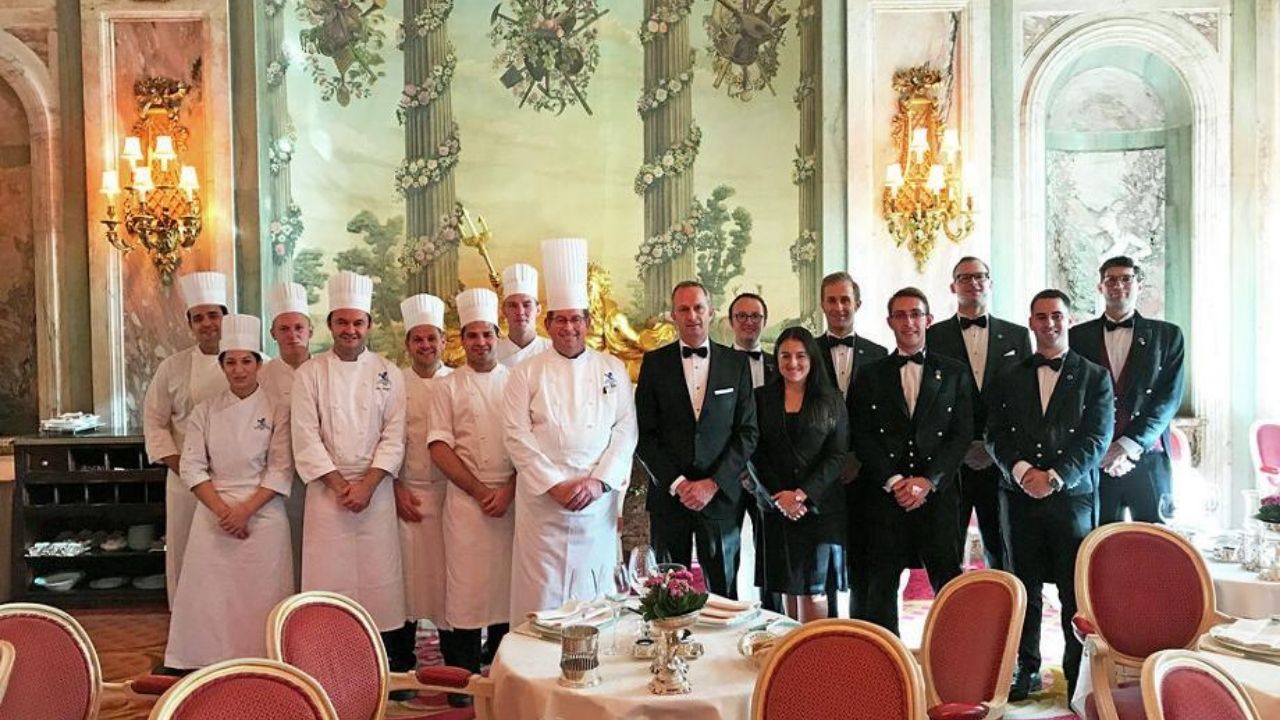
Luxury restaurants offer far more than a meal.
Here, everything is designed to create an experience that leaves its mark on guests’ palates and memories. Here are some of the ways to offer an unforgettable dining experience in luxury restaurants, and the restaurants that bring these experiences to life flawlessly:
1. A Flawless Approach to Service:
In luxury restaurants, service is not limited to serving food; these venues stand out for a philosophy of excellence that anticipates every guest need and offers a personalised experience. Flawless service begins the moment guests walk through the restaurant door and continues until they leave. Three key elements underpin this approach: anticipation, personalisation and professionalism.
Anticipation: In restaurants with a flawless approach to service, staff can anticipate guests’ needs before they are voiced. A waiter who notices a guest trying to put on their glasses, for example, may immediately offer a lens cloth. Or, on noticing that a guest’s water glass is half empty, they may courteously ask whether they would like it refreshed. Hotel restaurants such as The Ritz-Carlton (London) are famous for this kind of anticipatory service. Here, guests’ needs are met almost before they think of them, giving them an effortless and enjoyable experience.
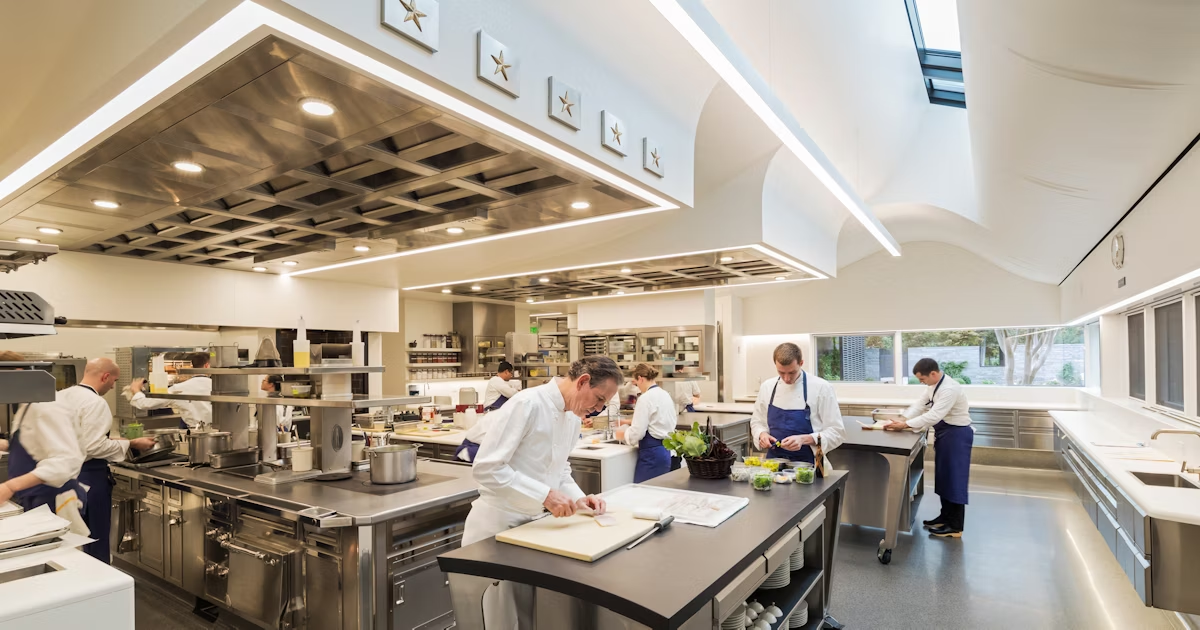
Personalisation: In luxury restaurants, service takes guests’ personal preferences into account. Guests expect every detail to be remembered, from the wines they chose on previous visits to their special dietary requirements. Restaurants such as The French Laundry (California), for example, remember their regular guests’ favourite table, wines or dishes and prepare accordingly. A restaurant remembering small details about its guests makes them feel special.
Professionalism: The professionalism of staff is one of the fundamental elements of flawless service. The entire team, from waiters to sommeliers, stands out for the respect, courtesy and knowledge they show guests. Restaurants such as Le Meurice (Paris) are known not only for their Michelin-starred cuisine but also for an extremely professional and well-trained service team. Here, every employee communicates with guests in impeccable language and enriches the experience by offering detailed information at every stage of the meal.
When a guest makes a reservation at the famous Eleven Madison Park (New York), the restaurant’s team knows in advance what the guest ordered on previous visits, which wines they preferred and even whether they are coming for a birthday or special occasion. If it is a special day, the restaurant may use this information to decorate the table specially and surprise the guest with a dessert bearing the chef’s signature. Such thoughtful and personalised touches make the guest’s experience unforgettable.
2. A Sophisticated Taste Experience:
In luxury restaurants, food is treated as an art form rather than simply a satisfying meal. A sophisticated taste experience reveals itself at every stage, from the quality of the ingredients to the preparation and presentation of the dish. Such an experience leaves an unforgettable mark on guests’ palates and minds. Here are some of the key elements that create a sophisticated taste experience:
Quality and Rare Ingredients: A sophisticated taste experience requires the use of ingredients of the highest quality. Luxury restaurants source the world’s rarest and freshest ingredients for their guests. Noma (Copenhagen), for example, uses Scandinavia’s freshest local ingredients to offer guests the purest flavours nature provides. The wild herbs, fresh seafood and fermented ingredients used here make the dishes unique. Fermented blueberries with caramelised dandelion, one of Noma’s signature dishes, is a perfect example of such rare and quality ingredients.
Creative Flavour Combinations: Luxury restaurants go beyond traditional flavour combinations, bringing together tastes guests have never experienced before. These creative touches offer innovation in both flavour and presentation. Osteria Francescana (Modena, Italy) creates innovative flavours by combining traditional Italian cuisine with modern techniques. Chef Massimo Bottura’s famous dish “Oops! I Dropped the Lemon Tart” is a dessert that looks as if it was created by accident yet offers an extremely refined flavour. It is both visually striking and surprising in taste.
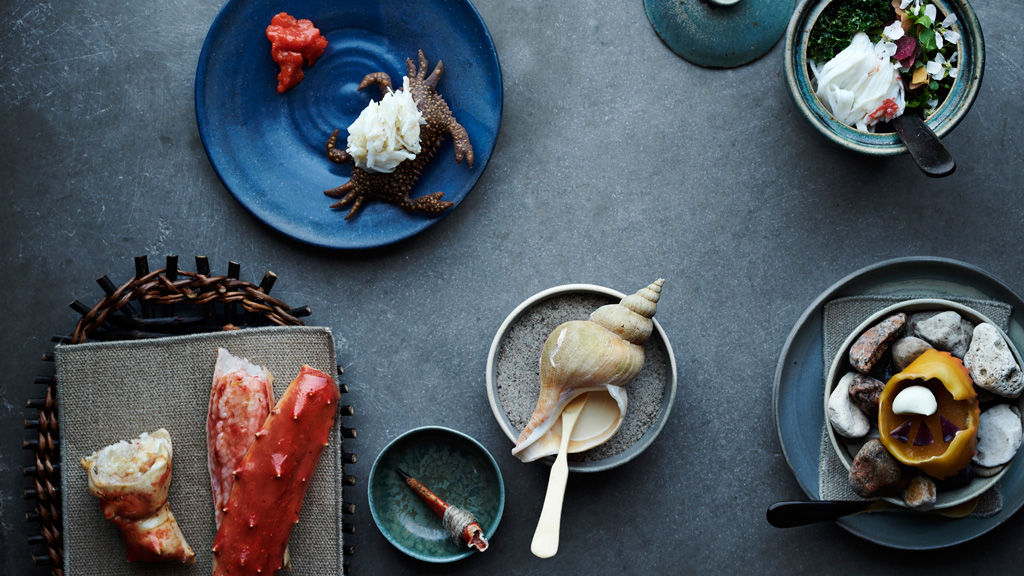
The Chef’s Artistic Touch: A sophisticated taste experience reflects the chef’s personal creativity and artistic vision. In these restaurants, every dish is prepared and presented like a work of art. Restaurants such as El Bulli (Spain) used molecular gastronomy to offer guests a sensory feast. Chef Ferran Adrià’s restaurant was known for techniques that change the structure of food. Adrià’s famous “liquid olive”, for example, gives olive oil a new dimension and offers guests a surprising experience of flavour and texture.
Perfection in the Balance of Flavours: In a sophisticated taste experience, the perfect balance of flavours comes first. In luxury restaurants, sweet, salty, sour and bitter tastes are balanced on every plate, leaving a harmonious and satisfying effect on the palate. Le Bernardin (New York) is known for the perfect balance of flavour it achieves with seafood. Chef Eric Ripert’s dishes such as “Poached Halibut with Baby Vegetables and White Wine Emulsion” are examples of light, refined flavours perfectly balanced.
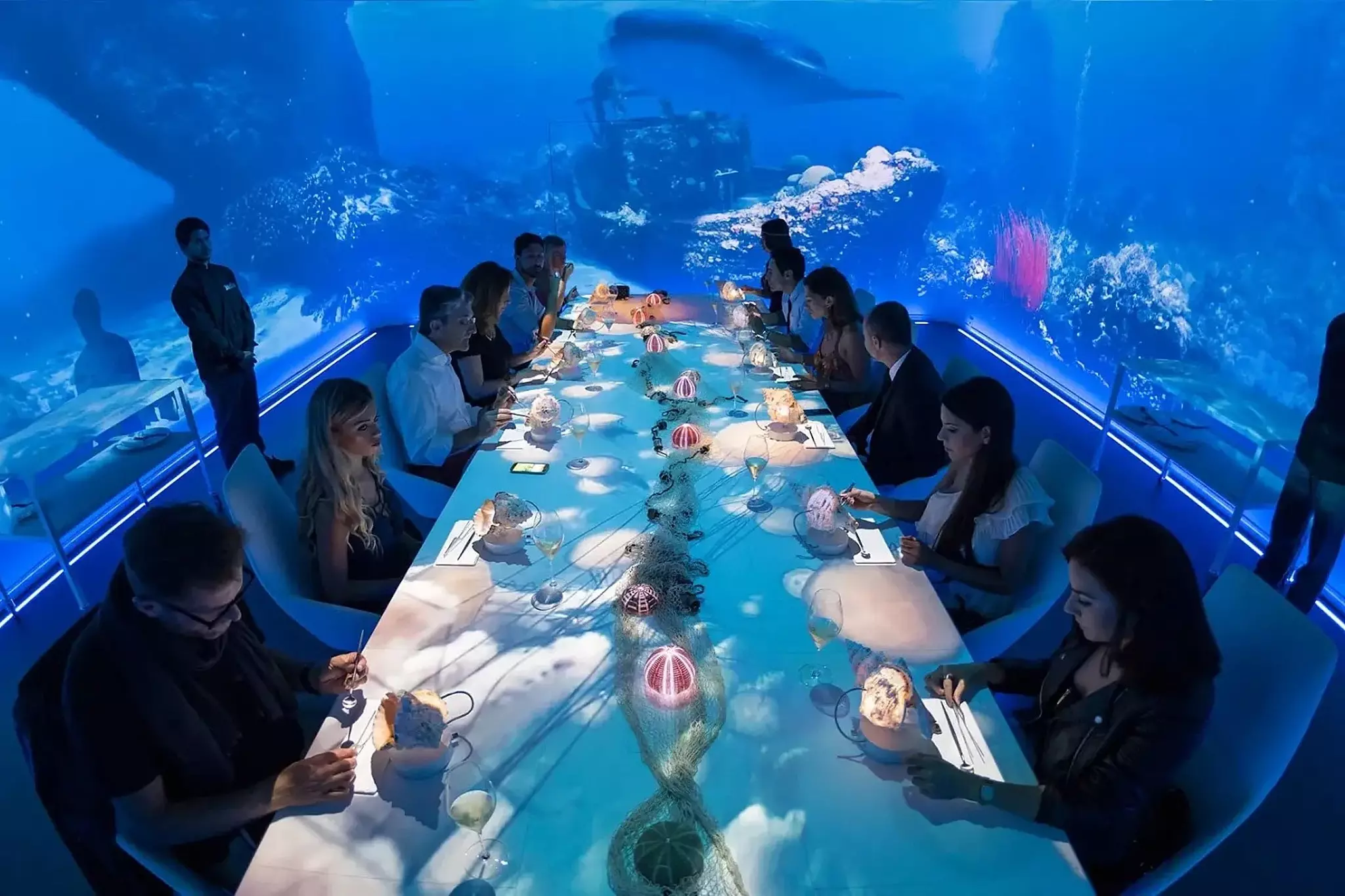
A Sensory Journey: A sophisticated taste experience is not limited to flavour; it also engages the senses of sight, smell, touch and even hearing. Ultraviolet by Paul Pairet (Shanghai) is a unique restaurant offering this multisensory experience. Each dish is served supported by music, lighting and aromas, taking guests on a true sensory journey. During a seafood course, for example, ocean images are projected onto the table and the sound of the sea is played.
3. Aesthetics and Ambience:
Luxury restaurants offer an atmosphere that appeals not only to the palate but to all the senses. Aesthetics and ambience are among the key elements that make a meal unforgettable. The décor, lighting, acoustics and overall atmosphere of the venue deepen the guest experience, offering an environment of serenity and pleasure while guests enjoy their meal. Here are examples of restaurants that bring these elements to life:
Meticulous Interior Design: Luxury restaurants have detailed interior designs so as to offer guests not only food but also a visual feast. The furniture, artworks and decorative elements used in such restaurants are in harmony with the restaurant’s concept and offer guests a sophisticated experience. The Fat Duck (Berkshire, England), led by chef Heston Blumenthal, offers a mystical and modern atmosphere. The restaurant’s interior includes elements that stimulate the imagination in parallel with the creativity of the dishes. Minimalist table décor brings the artistic presentation of the dishes to the fore.
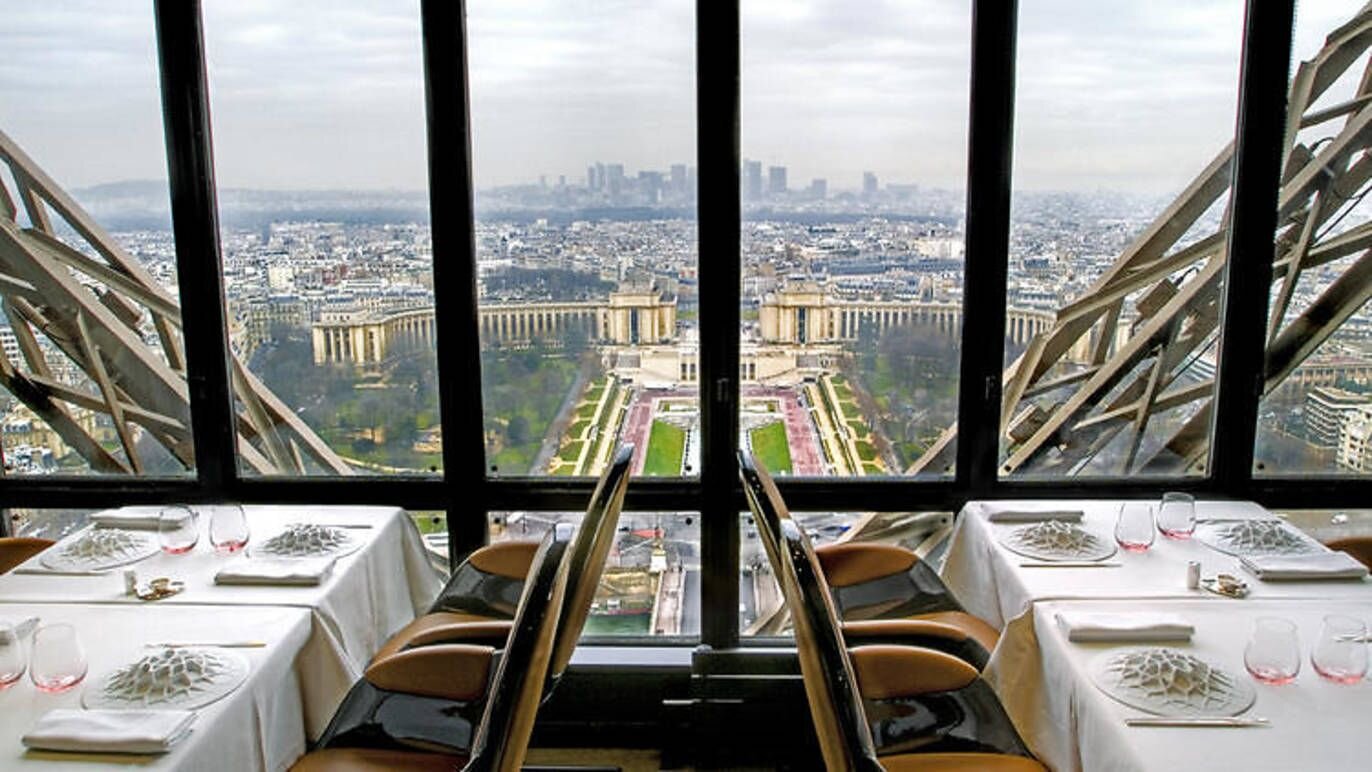
Unique Views: The view a restaurant offers is another important element of aesthetics and ambience. Luxury restaurants are often located close to nature, at the most beautiful spots in a city or overlooking the sea. Le Jules Verne (Paris), the famous restaurant on the second floor of the Eiffel Tower, offers guests an enchanting view of Paris. This iconic view creates the perfect backdrop for a romantic dinner and makes the meal even more special.
Lighting: Lighting is one of the most important elements shaping a restaurant’s ambience. Luxury restaurants use warm, soft light to offer guests a relaxing and intimate atmosphere. Daniel (New York) uses lighting masterfully to ensure guests feel comfortable and at ease throughout their meal. The candlelight and elegant chandeliers used in the restaurant make the meal all the more enjoyable.
Use of Natural Elements: Some luxury restaurants create their aesthetics and ambience by drawing inspiration from nature. Azurmendi (Larrabetzu, Spain) stands out for its sustainable design and environmentally friendly building. The restaurant’s interior merges with nature through large glass windows, offering guests a serene atmosphere overlooking lush gardens. These natural elements enrich the dining experience and offer guests a breath of fresh air.
Music and Sound Ambience: Luxury restaurants carefully select music and acoustics to complement the dining experience. Music should be soft enough not to distract during the meal, yet effective enough to support the atmosphere. The Ledbury (London) offers guests a sophisticated dining experience accompanied by classical music. Soft, calm background music allows guests to focus on their food and reinforces the restaurant’s elegant atmosphere.
Special Details: Luxury restaurants enrich their aesthetics and ambience with personal touches. Floral arrangements, artworks or distinctive tableware, for example, offer guests a special and sophisticated experience. Eleven Madison Park (New York), with its minimalist and modern design philosophy, displays carefully selected artworks at every table. These small but effective details make the dining experience unforgettable.
4. The Chef’s Special Touches:
One of the most important elements behind the success of luxury restaurants is the creativity and artistic vision of their chefs. The chef’s special touches give every dish on the menu a unique character and offer an experience that exceeds guests’ expectations. The chef’s personal style shows itself at every stage, from the flavour profile of the dishes to their presentation. These elements give guests not only delicious food but an experience that tells unforgettable stories.
Signature Dishes: In luxury restaurants, chefs create signature dishes using their own techniques and unique combinations of ingredients. These dishes best reflect the chef’s culinary philosophy and creativity. One of the signature dishes of Daniel Humm, chef at Eleven Madison Park (New York), for example, is “Lavender Honey Glazed Duck”. With the unique flavour lavender honey brings to the duck, the dish offers an experience that appeals to both eye and palate.
Innovative Techniques: Chefs’ special touches are not limited to the ingredients used; they also show themselves in the techniques used in the kitchen. Innovative techniques such as molecular gastronomy can give dishes an unexpected dimension. Grant Achatz, chef at Alinea (Chicago), uses these techniques masterfully to offer guests a dining experience full of surprises. Achatz’s famous “Balloon” dish consists of an edible helium balloon, and guests both taste it and enjoy a playful experience as they eat it.
Dishes Enriched with Personal Stories: Some chefs enrich their dishes with their own life stories and cultural roots. These touches add depth to the dishes and give guests the opportunity to form an emotional connection. Atelier Crenn, Dominique Crenn’s restaurant in San Francisco, is famous for dishes filled with stories rooted in the chef’s French origins and childhood. Her plate “Le Jardin”, for example, is a dish inspired by the gardens of the places where she grew up. The plate is a work of art in both aesthetics and flavour.
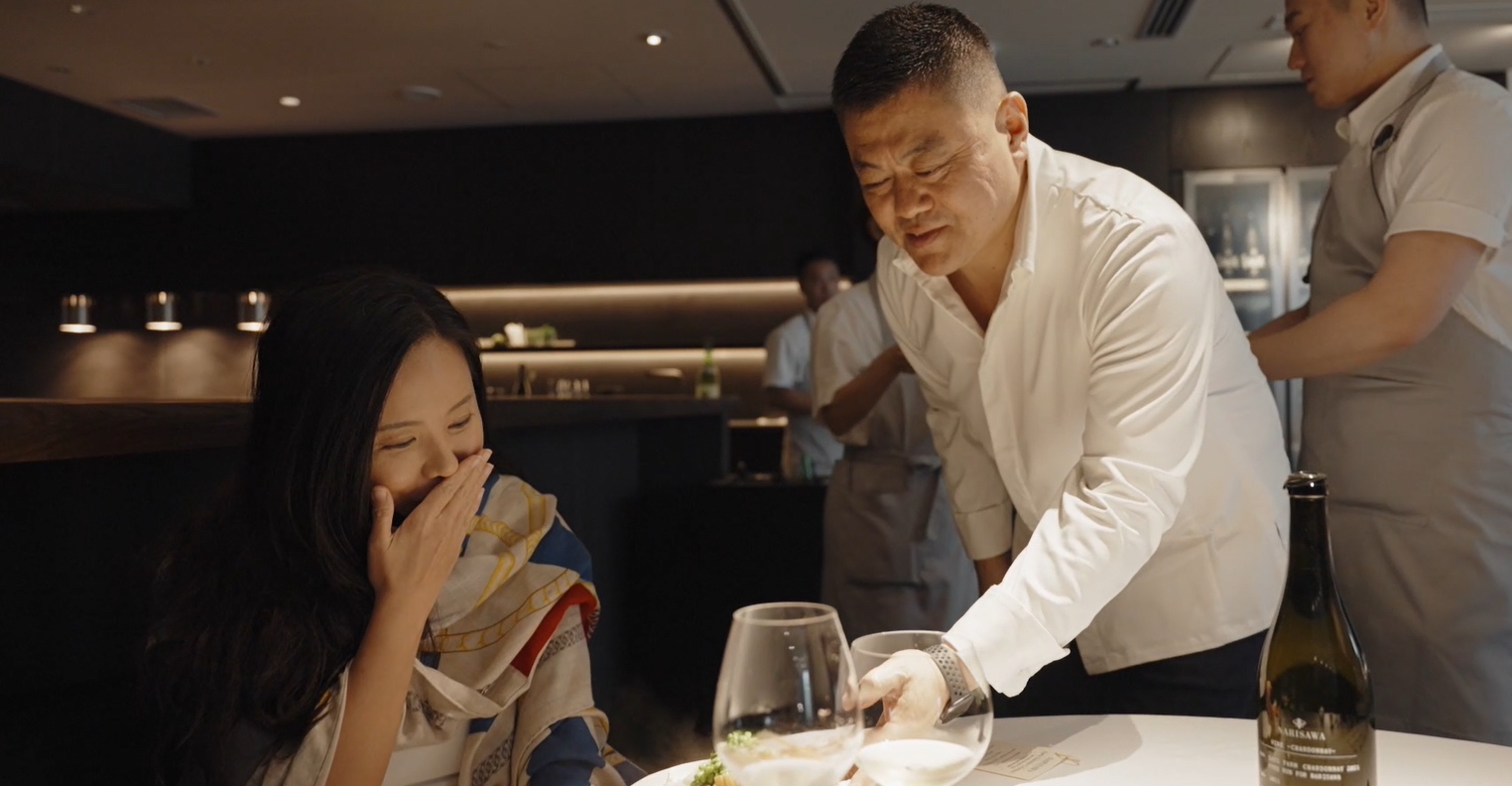
Interaction with Guests: In some luxury restaurants, chefs interact directly with guests, further personalising the dining experience. Yoshihiro Narisawa, chef at Narisawa (Tokyo), tells guests the story of each dish during service and shares the origin of the ingredients used. This kind of interaction gives guests the opportunity to better understand the art and thought behind the dish, making the experience more meaningful.
Modern Interpretations of Traditional Recipes: Chefs create dishes that offer both nostalgia and innovation by combining traditional recipes with modern techniques. The dish “Parmigiano Reggiano in Five Forms”, served by Massimo Bottura at Osteria Francescana (Modena, Italy), is a perfect example of this approach. By presenting Italy’s famous Parmesan cheese in five different forms, Bottura gives guests an experience that is both familiar and surprising.
Sustainability and Local Ingredients: By focusing on local and sustainable ingredients, chefs create dishes that respect both nature and society. Eneko Atxa, chef at Azurmendi (Spain), has adopted a culinary philosophy based entirely on the principles of sustainability. Vegetables grown in the restaurant’s garden form the basis of the dishes, and these local ingredients offer guests natural, pure flavours. Atxa’s “Garden Salad” is prepared with fresh vegetables picked directly from the restaurant’s garden, offering an experience immersed in nature.
5. Immersive Experiences:
Luxury restaurants transform dining from a mere tasting event into a multisensory journey. Immersive experiences engage sight, hearing, smell and touch, and sometimes go beyond the senses to create mental interaction. These restaurants aim to give guests an unforgettable memory through a scenario in which every detail has been considered. Here are examples of how immersive experiences are brought to life:
Sensory Food and Drink Pairings: One of the most common examples of immersive experiences is pairing dishes with a sensory journey. In such restaurants, dishes are supported by music, lighting and even scent. El Celler de Can Roca (Girona, Spain) is famous for this. The Roca brothers offer wine and music pairings with their dishes, giving guests a multisensory experience. When a dessert is served, for example, a soft melody playing in the background and the scent of chocolate drifting through the room completely change the way the dessert is experienced. Such interactions allow guests to feel every moment of the meal more deeply.
Themed Experiences: Some luxury restaurants offer immersive experiences based on a particular theme. These themes influence everything from the dishes on the menu to the restaurant’s décor. Ultraviolet by Paul Pairet (Shanghai) is a world-renowned example. The restaurant presents each dish on a specially designed stage. Lights, projections, sound effects and even changes in the air allow guests to lose themselves in a particular story or theme. When a seafood dish is served, for example, the sound of ocean waves plays in the room, and with seascapes projected onto the walls, guests feel as if they are on the seashore.
Interactive Dining Experiences: Immersive experiences sometimes involve guests’ direct participation in the meal. In such restaurants, guests do not merely eat; they also take part in preparing or presenting the food. At The Fat Duck (Berkshire, England), chef Heston Blumenthal makes guests part of the dish. Guests may, for example, create their own desserts at the table or present a particular dish themselves under the chef’s guidance. Such interactive experiences make the meal more personal and enjoyable.
Food Through Storytelling: Another example of immersive experiences is presenting dishes through a story. By presenting each dish around a particular story or theme, restaurants take guests on a gastronomic journey. Osteria Francescana (Modena, Italy) is known for chef Massimo Bottura presenting his dishes with stories. Bottura enriches each dish with a story from his own life or from Italian culture. His dish “Tortellini Walking on Broth”, for example, was inspired by the chef’s childhood memories. Such stories allow guests to understand the dish more deeply and form an emotional connection.
Multisensory Tasting Menus: Some luxury restaurants present their tasting menus as a multisensory experience. Azurmendi (Larrabetzu, Spain) offers guests an experience that begins the moment they enter the restaurant. Guests first walk through the restaurant’s garden, smelling fresh vegetables and herbs, then visit the kitchen to watch the food being prepared. This experience gives guests a deeper understanding of the food and lets them see the work behind every plate.
Sublimotion (Ibiza) is known as one of the most expensive restaurants in the world and offers a fully immersive experience. Here, guests move through 12 different courses, encountering changing themes and technologies at each stage. Projections, virtual reality headsets and interactive elements make guests part not just of a meal but of a work of performance art. During dessert, for example, the room suddenly takes on a “winter” theme, and guests enjoy their desserts amid falling snow. Such an immersive experience guarantees that guests leave the restaurant with unforgettable memories.
6. Unique Presentations:
In luxury restaurants, the presentation of dishes is an integral part of the experience and often leaves a lasting impression on guests’ memories. Creative presentations lift a dish beyond the ordinary plate, turning it into a visual and sensory feast. In these restaurants, every plate displays both an aesthetic and an innovative approach. Chefs’ artistic visions show themselves in the presentation of their dishes and give guests unexpected surprises. Here are some examples of how creative presentations are brought to life:
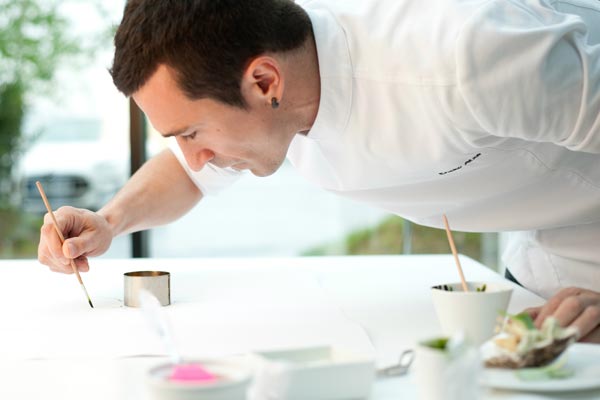
Plates Like Works of Art: One of the most impressive examples of creative presentation is serving food like a work of art. In such presentations, every component is carefully placed, and the plate looks almost like a painting. Grant Achatz, chef at Alinea (Chicago), is known for his mastery in this area. In his dish “Table Painting”, for example, dessert is presented directly on the table. The chef arranges chocolate, fruit purées and other ingredients on the table in an artistic composition. Such presentations make guests feel as though they are touring an art gallery.
Use of Natural Elements: Some luxury restaurants draw inspiration from nature in their presentations, using natural elements to make dishes more striking. Yoshihiro Narisawa, chef at Narisawa (Tokyo), uses ingredients and natural stones gathered from Japanese forests in his presentations. His dish “Forest Bread”, for example, is served on a plate resembling forest soil, giving guests the feeling of dining in the middle of nature. Such presentations offer a striking experience that emphasises the bond between nature and people.
Theatrical Presentations: Another example of creative presentation is serving a dish through a theatrical performance. In such presentations, the dish is brought to the table like a show and captures guests’ attention. At The Fat Duck (Berkshire, England), chef Heston Blumenthal goes beyond simply serving a dish on a plate, supporting it with smoke, light and sound effects. His dish “Mad Hatter’s Tea Party” is presented in a way inspired by Alice in Wonderland and gives guests a fairy-tale experience. During the presentation, it is served with a tea set, smoke and elements of surprise, turning the dish into a show.
Unexpected Presentations: Creative presentations sometimes use unexpected vessels or forms of presentation to give guests an unconventional experience. Eneko Atxa, chef at Azurmendi (Larrabetzu, Spain), serves guests soup in a hollow eggshell. At first glance it looks like an ordinary egg, overturning guests’ expectations and creating a surprising experience. Such presentations change guests’ perspective on food and make them even more curious.
Minimalist and Modern Designs: Some luxury restaurants adopt a minimalist approach to presentation, highlighting the natural beauty of the food. At Le Bernardin (New York), chef Eric Ripert serves seafood with minimalist presentation. A single scallop served on a plain white plate, for example, is garnished only with a few drops of sauce and herbs. Such presentations bring the elegance of the dish to the fore and allow the focus to remain on the flavour itself.
Interactive Presentations: Creative presentations sometimes make guests part of the dish. At El Bulli (Spain), chef Ferran Adrià gave guests the opportunity to become part of the presentation. In his dish “Liquid Olive”, guests took the liquid version of an olive on a spoon and experienced a burst of flavour in their mouths. Such interactive presentations allow guests to experience the meal more personally.
At Quay (Sydney, Australia), chef Peter Gilmore’s iconic dessert “Snow Egg” is a perfect example of creative presentation. The dessert is served in the shape of an egg covered in a thin layer of snow, and guests crack this shell to discover the flavours hidden inside.
Visually striking, the dessert also invites guests into an experience that combines the senses of taste and touch.


