
Although on the surface luxury may appear to be merely a representation of aesthetics and elegance, beneath it lies a world of complex strategies and meticulously developed management skills. Luxury brands manage to remain timeless by preserving their authenticity and allure.
What is the truth behind luxury brands? Which management skills keep these brands unrivalled?
The luxury sector is in constant evolution to maximise the client experience and offer unique products. In this transformation, the skills and strategic approaches of managers play a vital role. For luxury brands to succeed, offering products of superior quality is not enough. Critical elements such as effective leadership, client relationship management and innovative marketing strategies are also required.
The management skills behind success in the luxury sector offer clues as to how brands make strategic decisions, how they manage client relationships and how they remain innovative in a constantly changing market.
Charismatic Leadership:
In luxury brand management, charismatic leadership and aesthetic ideology stand out as two critical elements that increase a brand’s competitive advantage and client loyalty. Charismatic leaders steer the brand through their vision and inspiring approach. They set vision and direction by clearly defining the brand’s future course. This ensures that the brand remains consistently innovative and trend-setting. Charismatic leaders powerfully represent the essence and values of the brand, which ensures that the brand remains distinctive and recognisable in the eyes of clients.
Aesthetic Ideology:
Aesthetic ideology refers to a brand’s commitment to high aesthetic standards in design, quality and the overall client experience. This ideology reflects the pursuit of aesthetic excellence and elegance in the brand’s products and services.
Aesthetic ideology ensures that luxury brands maintain the highest standards in product design and production. This guarantees that the brand’s products are excellent both functionally and visually. It provides elegance and a sophisticated touch at every stage of the client experience. Everything from in-store design to packaging, and from client service to the online experience, must be aesthetically flawless. Aesthetic ideology ensures that the brand is perceived as prestigious and valuable.

The Perception of Luxury and Prestige:
To preserve the perception of luxury, brands apply strategies such as producing in limited numbers, making products rare and pricing them high. Offering clients exclusive and memorable experiences increases brand prestige. Private events, VIP services and personalised shopping experiences are important tools in this respect.
Attention to Detail:
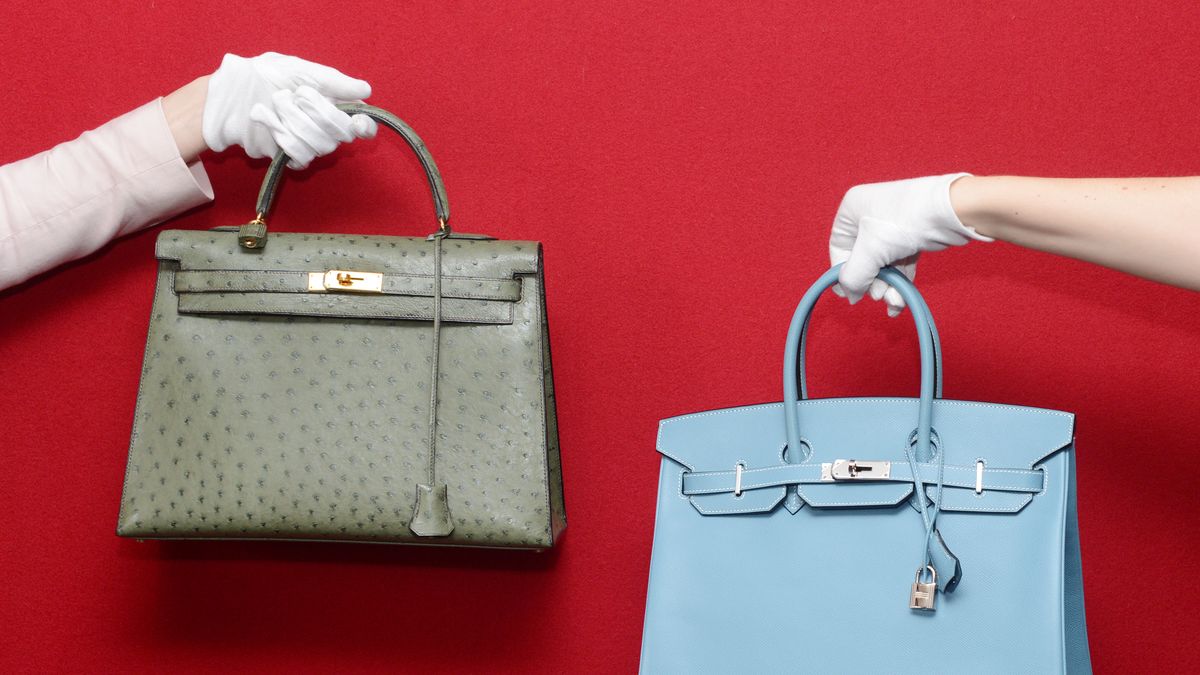
Luxury lies in the details. The attention managers in the luxury sector pay to detail forms the foundation of a brand’s pursuit of excellence and its prestige. Every detail directly affects the client experience and the perception of the brand. Care shown at every stage of product design, from the choice of materials to craftsmanship, highlights the brand’s quality and uniqueness. In addition, elements such as client relationships, store atmosphere, packaging design and service quality each ensure that luxury is perceived not merely as a product but as a lifestyle and an experience. This meticulousness and attention to detail increase client loyalty, raise the brand’s value and help it stand out in a competitive market. This sensitivity on the part of luxury managers guarantees that their brands remain timeless and iconic.

Cultural Sensitivity:
Because luxury brands generally operate in global markets, it is critically important for managers to show cultural sensitivity. Cultural sensitivity is the ability to understand different cultural norms, values and client expectations and to develop strategies accordingly. In luxury management, this sensitivity enables a brand to succeed across different geographies and demographic groups. Managers shape their products and services by taking into account the distinctive aesthetic sensibilities, consumer behaviours and social dynamics of each market. In this way, the brand gains global appeal while building strong and authentic bonds with local clients. Luxury brands with high cultural sensitivity increase client satisfaction and build loyalty by responding to the specific needs of local markets, which secures the brand’s long-term success.

Case Study – Dolce & Gabbana
In 2018, the Italian fashion house Dolce & Gabbana faced a major crisis in China. Ahead of a major fashion show it was to hold in China, the brand came under intense criticism for an advertising campaign it published on social media. The adverts showed a Chinese model struggling to eat traditional Chinese food with chopsticks. Many viewed these images as disrespectful to Chinese culture, and they drew a huge backlash for being considered racist.
The reaction to the campaign spread rapidly on social media, and Chinese consumers began boycotting Dolce & Gabbana products. The crisis escalated further when messages insulting China and the Chinese people, attributed to the brand’s co-founder Stefano Gabbana, emerged on social media. This led many Chinese celebrities and key influencers to end their collaborations with the brand and protests to begin at stores.
Dolce & Gabbana responded quickly by withdrawing the adverts and claiming that Stefano Gabbana’s account had been hacked. Later, however, the brand’s executives released an official apology video, apologising to the Chinese people and their clients. The crisis seriously damaged Dolce & Gabbana’s reputation in the Chinese market and adversely affected the brand’s sales. Shortcomings in crisis management also damaged the brand’s global perception and negatively affected its brand value in the long term.
This crisis shows how important cultural sensitivity is for luxury brands, and that crisis management must be swift and effective. The crisis Dolce & Gabbana experienced is a concrete example of how much damage ignoring cultural sensitivities and failing to act with sufficient care in a crisis can do to a brand.
Following Market and Consumer Trends:
In luxury management, following market and consumer trends is vital for brands to remain competitive and innovative. Luxury brands must continually monitor changes in consumer expectations and in the market and adapt their products and services accordingly. This skill not only meets current demand but also keeps the brand in a leading position by anticipating future trends.
Managers who follow consumer trends develop new and innovative products, offering their clients unique and desirable experiences.
In addition, understanding the effects of macro trends such as digitalisation and sustainability and shaping strategies accordingly increases the brand’s reputation and appeal. Luxury brands that effectively follow market and consumer trends build a loyal client base and secure long-term success by offering fast and appropriate solutions to changing client needs.
“Not long ago, I said to one of our designers: “Why don’t you take a trip to Japan and look at what young girls are wearing on the streets at night?” These girls are very avant-garde in fashion; with very high shoes, for example, they create trends years before they go mainstream, and it makes a lot of sense to watch them. I did not tell the designer, “Go and see what kind of shoes they are wearing and copy them,” hoping they would notice the shoes. I simply suggested, “Go and look.” And they actually came home very inspired. To me, that is the only thing a manager can hope to do, or should do.”
Bernard Arnault – Founder, LVMH
Crisis Management:
In luxury management, crisis management is a critical skill for protecting the brand’s reputation and client trust. Crises arising from unexpected events, mistakes or external factors can quickly damage the delicate image and prestige of luxury brands. It is therefore vital that managers act quickly, effectively and transparently in times of crisis.
Crisis management involves not only identifying the source of the problem and finding the right solutions, but also communicating openly with clients and the public. By turning crises into opportunities, luxury brands can both demonstrate the value they place on their clients and emerge in a stronger position in the long term. Effective crisis management not only solves immediate problems but also reinforces the brand’s resilience and reliability, which helps it maintain client loyalty and its market position.
Innovation and Design:
In luxury management, innovation and design are fundamental elements that ensure a brand continually stands out and remains competitive. These skills enable luxury brands not only to meet current client expectations but also to shape future trends.
Innovation plays a critical role in offering new products, services and experiences, which increases the brand’s appeal and value. Design strengthens the brand’s aesthetic and emotional appeal, making every product and service unique. By encouraging innovation and design, luxury brands increase client loyalty and enable the brand to achieve iconic and desirable status over time. This dynamic duo is indispensable for sustainable success and continuous growth in the luxury sector.
Collaborations and Partnerships:
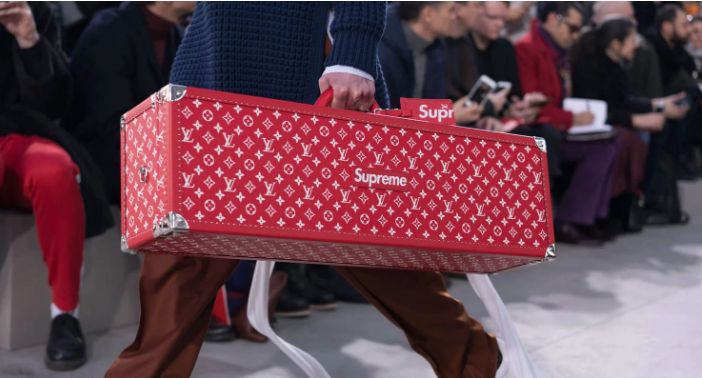
In luxury management, collaborations and partnerships are critical strategies that enable brands to be innovative, dynamic and influential on a global scale. Collaborations allow luxury brands to bring together expertise and design talent from different sectors to offer unique and appealing products. These partnerships broaden the brand’s client base, provide access to new markets and strengthen brand perception.
Collaborations and partnerships also help brands adapt and develop rapidly in areas such as sustainability, technology and digitalisation. A partnership between a luxury fashion brand and a technology company, for example, can enable it to develop smart textile products. Ultimately, collaborations and partnerships increase luxury brands’ competitive advantage, keeping them in a leading market position and securing long-term success.
Sustainability and Ethics:
In luxury management, sustainability and ethics are vital elements that enable brands to build long-term success and trust by fulfilling both their environmental and social responsibilities. Modern consumers expect luxury products to meet high standards not only in aesthetics and quality, but also in having production processes that are fair, ethical and environmentally friendly.
Sustainability involves luxury brands minimising their environmental impact through measures such as conserving natural resources, reducing their carbon footprint and using renewable energy. Ethical management covers social responsibilities such as respect for labour rights, fair trade practices and transparency.
This approach strengthens brands’ reputations, increases client loyalty and makes them the choice of conscious consumers. Ultimately, sustainability and ethics enable luxury brands to act with not only the present but also the future in mind, and thus to leave a lasting mark on the market.
Financial Management:
In luxury management, financial management is critically important for ensuring the brand’s sustainable growth and long-term success. The costs of luxury elements such as high-quality materials, superior craftsmanship and innovative design require effective financial management. Luxury brands must carefully monitor their revenues and expenses to maximise profitability and minimise financial risk.
Financial management also plays a central role in planning and implementing strategic investments. Financial analysis of strategic steps such as entering new markets, opening stores, upgrading production technologies and marketing campaigns enables the brand to maintain its competitive advantage.
In addition, a sound financial structure increases the brand’s resilience in times of crisis and enables it to respond quickly and effectively to sudden change. Ultimately, effective financial management secures luxury brands’ long-term success while protecting their prestige.
Case Study – Hermès
Crisis Resilience and Long-Term Planning:
Hermès is a successful example in financial management, focusing on long-term planning and crisis resilience. During the 2008 global financial crisis and later the economic uncertainty brought by the pandemic, Hermès maintained its financial stability and, unlike many other luxury brands, continued to perform strongly.
Production and Inventory Management:
While maintaining high quality standards in its production processes, Hermès has balanced demand management perfectly by producing in limited quantities. This approach not only makes the brand’s products rare and desirable, but also minimises financial risks such as excess stock and the need to discount.
Vertical Integration:
By controlling a large part of its value chain, Hermès excels in managing costs and quality. It operates its own tanneries and watch movement production facilities, for example. This vertical integration reduces costs while providing full control over the supply chain.
Cash Management and Freedom from Debt:
By following a strategy of growth without borrowing, Hermès has built a robust financial structure. By managing the cash flow generated by its operations effectively, the company is able to expand and invest without taking on debt. This debt-free structure increases the brand’s financial flexibility and strengthens its resilience to economic fluctuations.
Comprehensive Client Relationship Management:
Hermès applies comprehensive client relationship management (CRM) strategies to retain and expand its loyal client base. Client satisfaction and personalised service increase the brand’s sales and provide a steady stream of revenue.
Investment and Expansion:
Hermès also stands out for its strategic investment and expansion policies. New store openings, the expansion of production facilities and investment in digitalisation have helped the brand increase its global market share and diversify its revenues.


