
For luxury brands, the client experience is one of the most critical elements that strengthen brand identity and value. Although luxury products are generally associated with high quality, craftsmanship and prestige, the expectations of today’s luxury consumers go beyond these attributes.
Clients now want to be satisfied not only by owning the product, but also by the experience of acquiring and using it. Luxury brands are therefore making the client experience a strategic priority, taking important steps towards both differentiation and client loyalty. This experience matters at every stage, from interactions with the brand to product delivery, and from after-sales service to the exclusive events the brand offers.
The client experience also plays an important role in protecting and strengthening the image of luxury brands. Luxury brands are generally associated with a perception of prestige and perfection. To sustain this perception, experiences reflecting the brand’s values must be offered at every client touchpoint. A poor experience can damage brand image, and when it falls short of the expectations of luxury consumers who demand high standards, it can weaken their loyalty to the brand.

The client experience offers luxury brands an important competitive advantage. As product differentiation becomes more difficult in the luxury segment, brands are turning to experience-driven strategies to make themselves unique. Personalised services, private invitations and after-sales privileges reinforce loyalty by increasing the value offered to clients. In this context, the client experience emerges as an indispensable strategic element for luxury brands in building a loyal clientele and securing its long-term commitment.
For luxury brands, the client experience is not merely the delivery of a service in the moment, but one of the fundamental elements in building a lasting relationship between brand and client and securing brand loyalty. A client experience supported by innovations such as personalisation, digitalisation and high-quality service will continue to be a decisive factor in the success of luxury brands.
Client Experience Innovations at Luxury Brands
The client experience has always played a key role in the success of luxury brands. Luxury is defined not only by the product itself, but also by the service, feeling and experiences built around it. In today’s digital world, client expectations are even higher and competition even fiercer. Luxury brands are therefore striving to stand out by innovating in the experiences they offer their clients. These innovations contribute both to brand differentiation and to increased client loyalty.
Luxury brands differentiate themselves by combining the client experience with modern trends such as personalisation, digitalisation and sustainability. These elements enable luxury consumers to form a deeper bond with the brand and reinforce brand loyalty in the long term.
Personalisation lies at the heart of client experience innovation. Rather than a standard service, luxury clients expect an exclusive experience designed around their tastes. By investing in advanced technology solutions for personalising products and services, brands ensure their clients enjoy a unique experience. This gives clients the opportunity to feel special and to form a more emotional bond with the brand.
Digitalisation plays a critical role in making the client experience seamless. By integrating the physical store experience with digital platforms, luxury brands offer clients an omnichannel service. Clients can thus interact with the brand both physically and digitally, and these processes support one another to create a holistic experience. The convenience offered by technology further strengthens clients’ relationships with the brand.
Sustainability has also become an important part of the client experience today. Luxury consumers are not satisfied with quality and prestigious products alone; they also care about brands’ environmental and social responsibilities. Accordingly, brands add value for their clients and meet their expectations by offering sustainable products and services. Sustainability stands out as an element that both strengthens the brand’s reputation and increases client satisfaction.
In conclusion, client experience innovations at luxury brands are critically important for maintaining competitive advantage and reinforcing client loyalty. Strategies such as personalisation, digitalisation and sustainability help luxury brands exceed their clients’ expectations by building stronger bonds with them.
Examples of Client Experience Innovation:
Louis Vuitton: A Personalised Shopping Experience
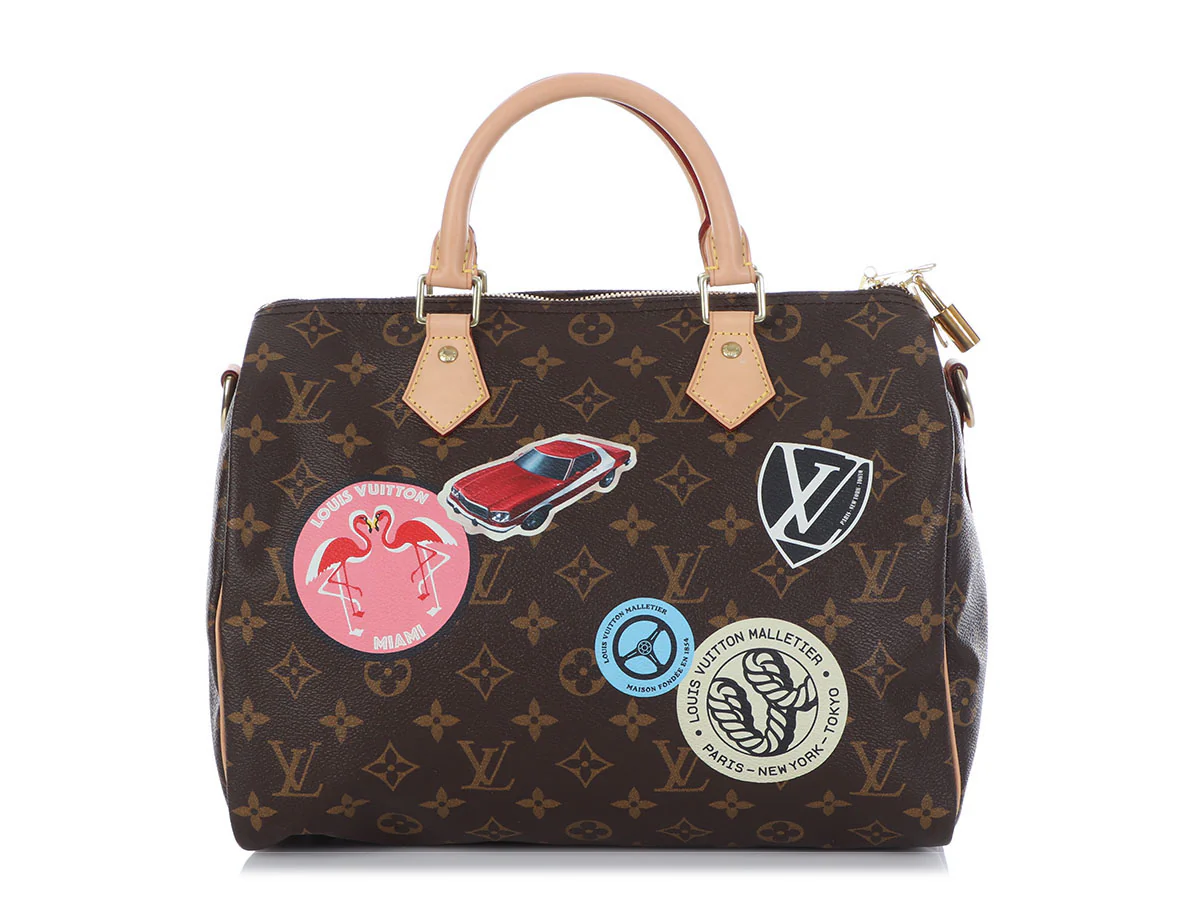
Louis Vuitton is one of the brands that has succeeded in increasing client loyalty by offering deeper personalisation. Louis Vuitton’s “My LV World Tour” service allows clients to design their bags according to their personal tastes. Delivered through an online platform, this service strengthens the client’s interaction and bond with the brand. Personalisation has become an important strategy that helps luxury brands stand out.
Burberry: Where the Digital and Physical Worlds Meet
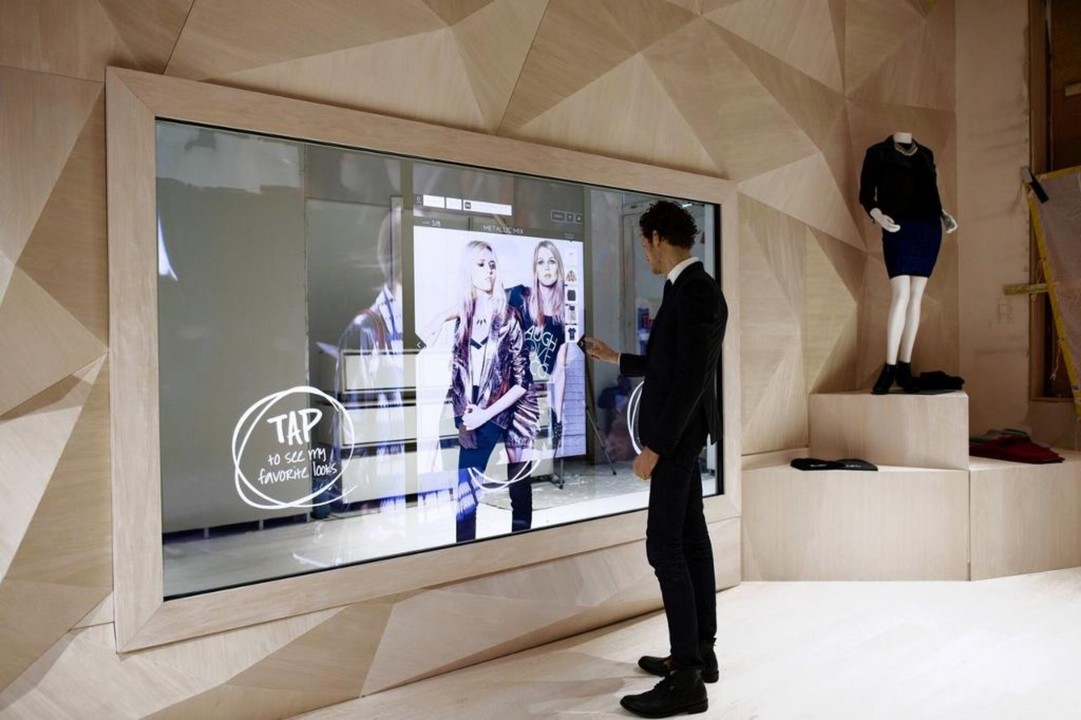
Burberry is one of the pioneering brands to integrate the client experience seamlessly between the digital and physical worlds. In its London flagship, digital screens and interactive mirrors allow clients to receive instant information about the products they try on and connect with their social media accounts. By extending this experience to its other stores worldwide, Burberry successfully combines digitalisation with physical retail.
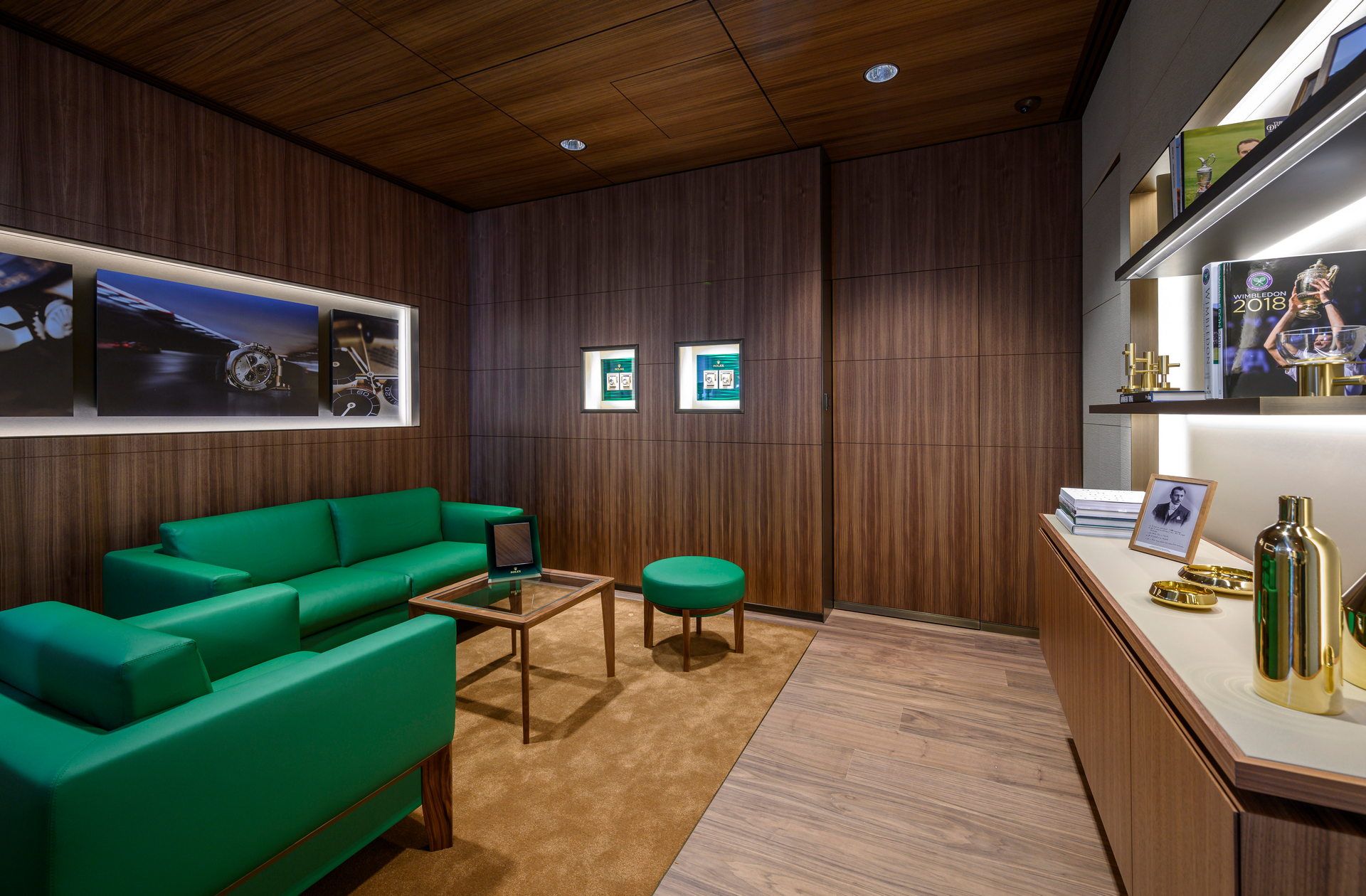
Rolex: VIP Client Programmes
While known for watches produced in limited numbers, Rolex also offers exclusive experiences for its VIP clients. Through gala events held by private invitation for distinguished clients, watch launches and special tours on the brand’s history, Rolex builds long-term relationships with its clients. By providing detailed information about the brand’s history and craftsmanship, it increases their loyalty to the brand.
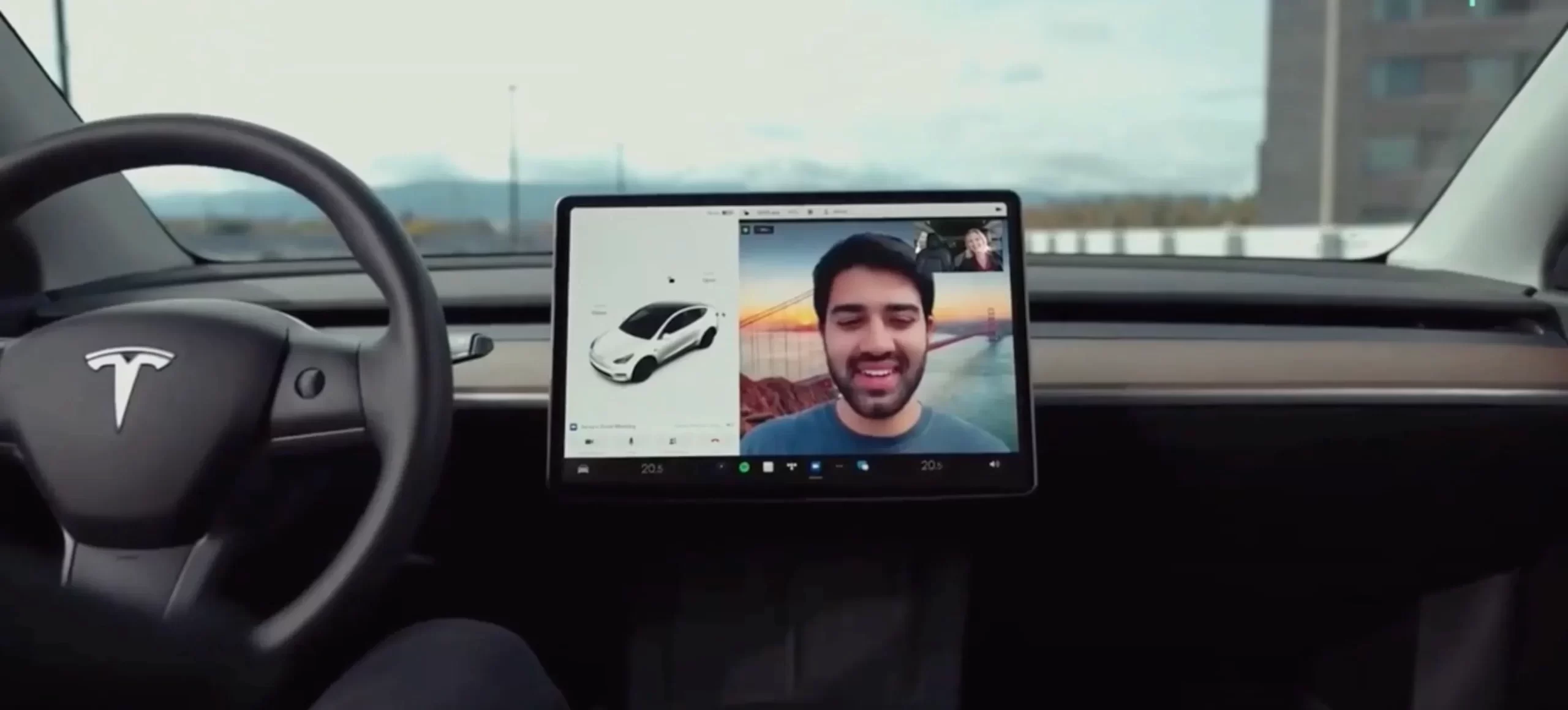
Tesla: An Inclusive and Seamless Client Experience
Tesla is a groundbreaking brand in client experience innovation in the luxury segment of the automotive industry. Across every process, from its showrooms to after-sales service, Tesla offers clients an almost contact-free experience. During vehicle delivery in particular, clients receive what amounts to VIP service, and this experience is integrated with online platforms so that clients remain constantly connected to the brand. Tesla maximises client satisfaction through digital technologies.
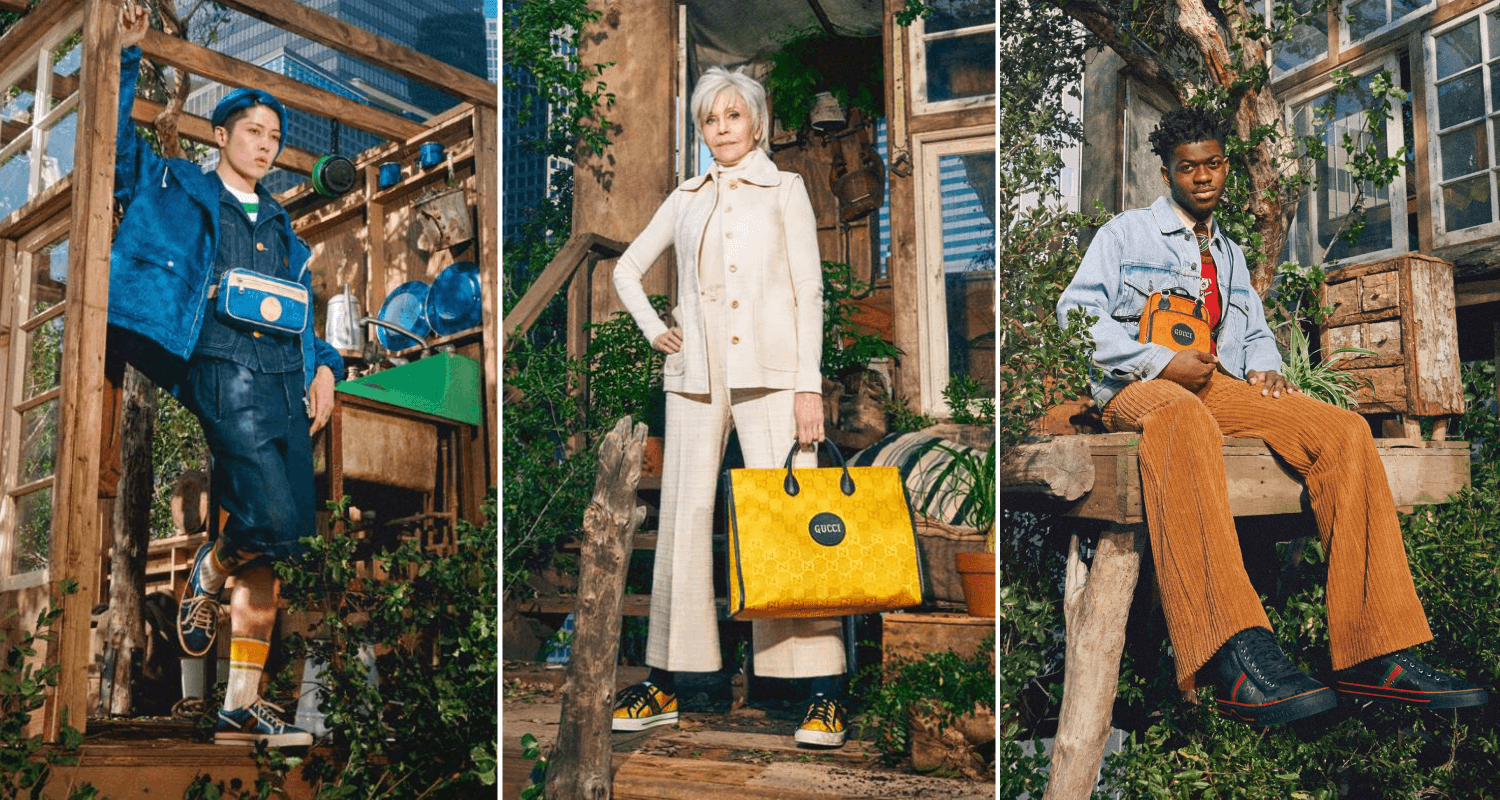
Gucci: Sustainable Luxury Experiences
Gucci is another successful brand that combines the sustainability trend with client experience innovation. Appealing to environmentally conscious clients with its “Gucci Off The Grid” collection, the brand makes a difference with products made from recycled and sustainable materials. Beyond this, Gucci clients can receive detailed information about these products in store and track their environmental impact. This offers an experience aligned with the expectations of the new generation of luxury consumers.
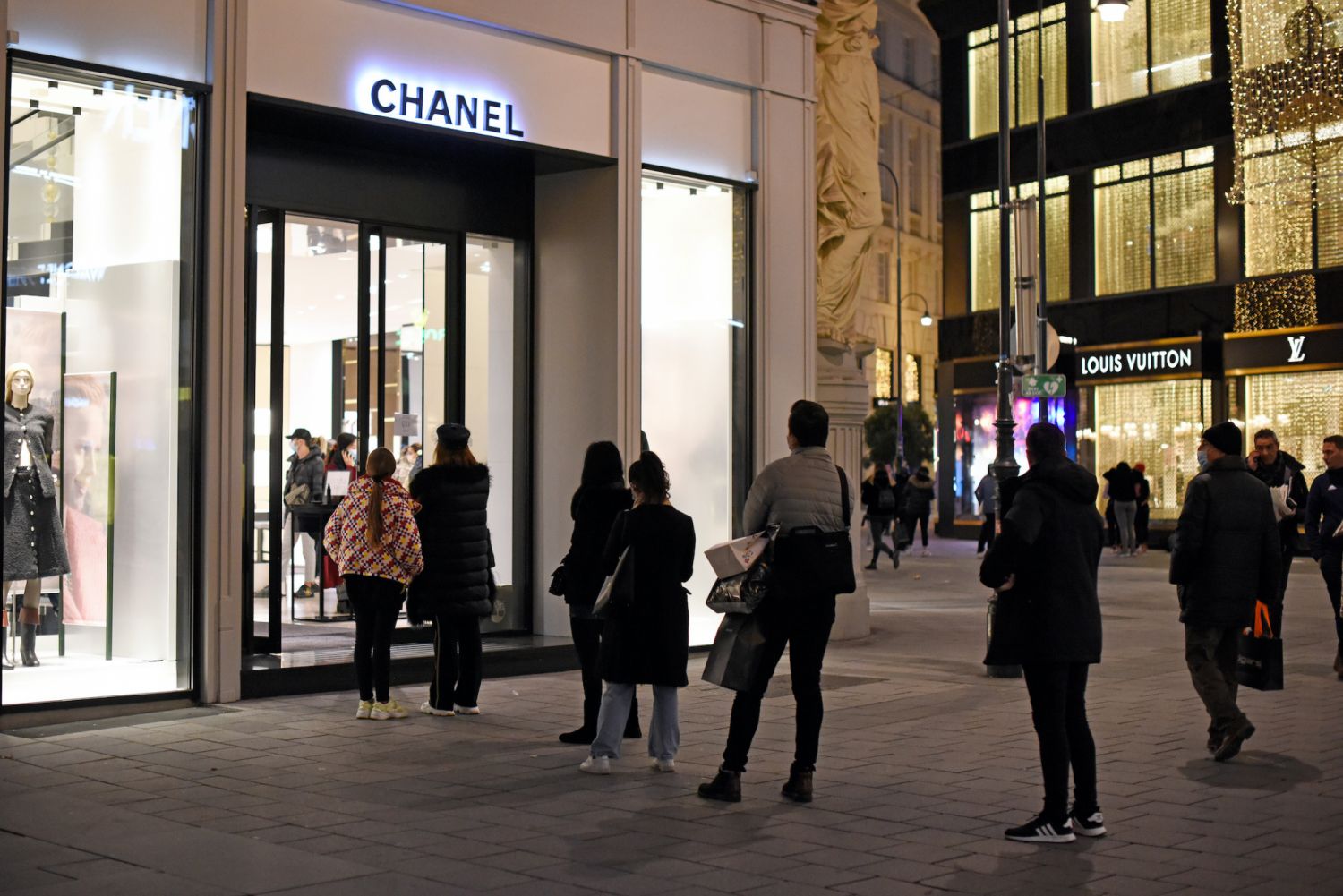
Chanel: VIP Shopping by Private Appointment
Chanel takes the luxury client experience to the next level with private shopping appointments for its VIP clients. Offering clients the opportunity to meet with designers and create personalised pieces, particularly in its haute couture collections, Chanel gives its clients an unforgettable shopping experience. This exclusive service not only increases client loyalty but also strengthens the brand’s luxury perception.
Eleven Madison Park
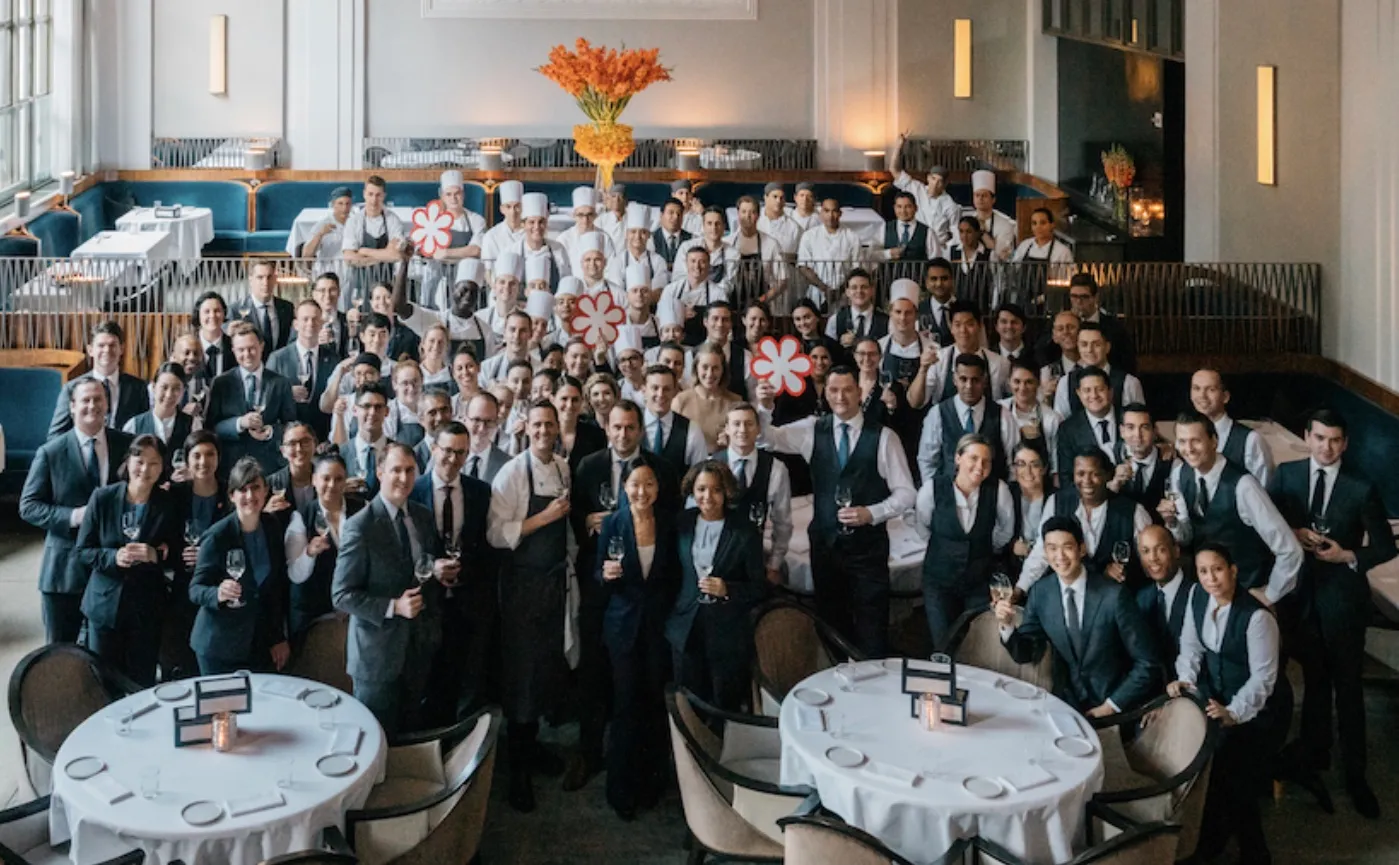
This famous restaurant is renowned worldwide not only for its food but also for the unique experience it offers its guests. Holding three Michelin stars, Eleven Madison Park stands out for its innovative approach to the guest experience. The restaurant focuses on offering a personalised experience at every table. When guests arrive, for example, the team may already be aware of their previous dining experiences and preferences. Menus are arranged accordingly, and presentations are adapted to personal preferences.
Eleven Madison Park has also taken important steps in sustainability. In 2021, it switched to an entirely plant-based menu, a decision that emphasised environmental sustainability. This is regarded as an important innovation that both reflects the restaurant’s sense of social responsibility and offers guests a different and innovative gastronomic experience.
Eleven Madison Park is also famous for excellence in the details of its service. Guests are given detailed information about the story behind each dish, the origin of the ingredients and how the dishes are prepared. Such interactions allow guests to perceive the meal not merely as consumption but as an artistic and cultural experience.
The Ritz-Carlton
The Ritz-Carlton follows a philosophy known as Anticipatory Service. This philosophy aims to recognise and meet guests’ needs before they ask. Thoughtful gestures, such as serving water immediately without the guest having to request it, or adding child-friendly touches to the room for a family with children, take guest satisfaction to its peak.
Another notable innovation is The Ritz-Carlton’s “memorable moments” experience.
This comprises special services designed to make guests’ travels more meaningful and unforgettable. Gestures such as surprise champagne and chocolates for a couple arriving for a special celebration, or a personalised cake brought to the room on the morning of a birthday, show the importance the hotel places on the guest experience.