

The jewellery sector has existed for centuries in the enchanting world of aesthetics, craftsmanship and precious stones. Today, however, with the rapid advance of technology, artificial intelligence is reshaping this traditional sector. AI is emerging as a game changer, revolutionising many areas from jewellery design to production, and from marketing to client service.
However traditional the sector may be considered, we can imagine AI in the jewellery sector as follows.
An undecided client walks into a jewellery store. With the help of AI, the designer can rapidly generate multiple design options based on the client’s preferences. With AI, designers can access a vast database of historical jewellery designs, cultural motifs and artistic styles from around the world. This wealth of information can serve as a starting point for designers to create truly unique and captivating pieces.
These designs are then visualised for the client using virtual or augmented reality, so they can see how each piece will look when worn. This interactive and personalised experience not only increases client satisfaction but also makes the client part of the design process.
AI can then optimise the production stage of jewellery making too. By analysing production data and identifying inefficiencies, it can ensure the most effective production with minimal waste. This can lead to increased productivity and reduced costs.
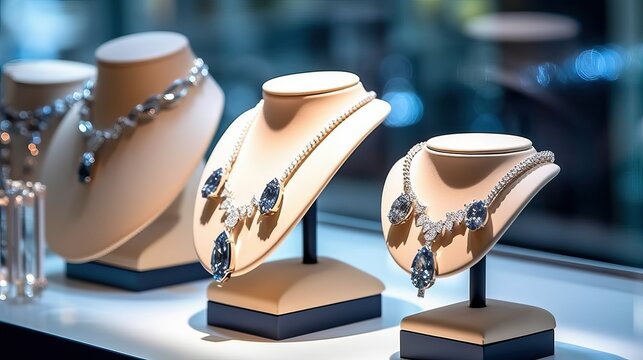
AI can also play an important role in guaranteeing the authenticity and quality of jewellery. With the rise of counterfeit products, it has become increasingly important for designers and manufacturers to protect their creations. AI algorithms can analyse various factors, such as gemstone characteristics, metal composition and craftsmanship techniques, to verify a piece’s authenticity. This not only protects designers’ reputations but also gives clients confidence in what they buy.
The impact of AI on the jewellery sector will enhance the creativity and craftsmanship of designers and artisans, making the sector more innovative, faster and more client-centred. Let us develop this vision a little further and consider how AI will affect the jewellery sector.
Design and Production: Innovative Approaches
AI is completely transforming the jewellery design process. Alongside traditional design methods, AI algorithms make it possible to create unique and complex designs quickly. AI-powered design software, for example, can analyse client preferences and produce bespoke designs. This both lightens designers’ workload and increases client satisfaction.
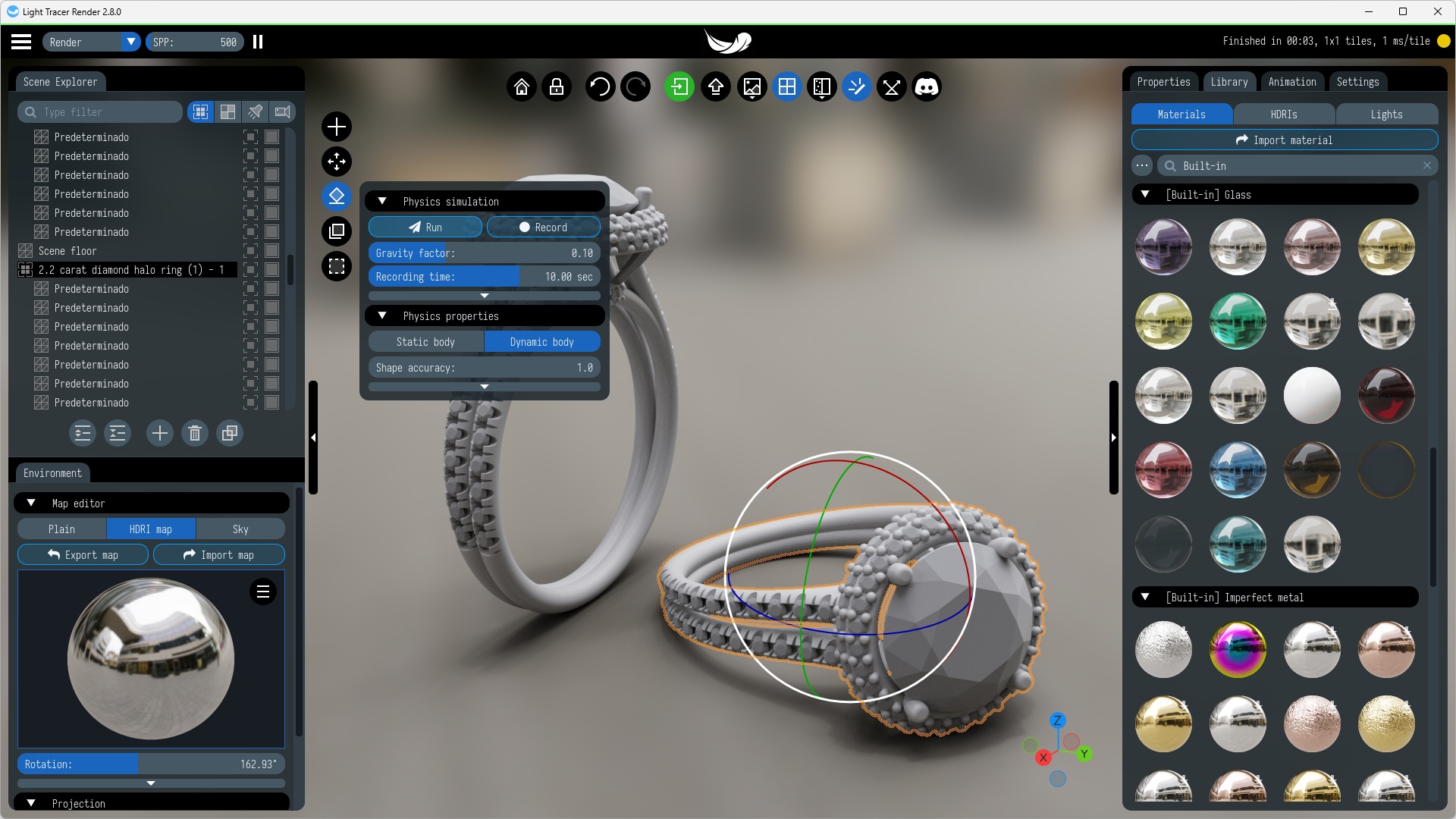
AI-powered CAD and 3D modelling software allows designers to create complex and precise designs with ease. These tools can produce realistic 3D renders that enable designers to experiment with different materials, gemstones and design elements. A jewellery design firm, for example, could use AI-based software to analyse its clients’ social media posts and offer personalised jewellery designs based on their tastes.
Jewellery designer Nick Koss says he has been using AI techniques for personalised jewellery design since 2015. He does not see AI as inherently negative; he believes in using it wisely and ethically. For him, this means mastering technology to increase client satisfaction rather than simply to cut costs or simplify processes.
Production and Efficiency: Speed and Precision
AI also offers major advantages in production processes. Automated production systems can manufacture with high precision and speed by minimising human error. Robotic arms and 3D printing technologies can rapidly produce complex jewellery components, while AI-based quality control systems guarantee that every product is perfect. With additive manufacturing (3D printing), complex and customised parts can be produced quickly with minimal waste.
Marketing and Sales: Personalised Experiences
AI is also fundamentally changing marketing and sales strategies. By analysing client data, it is becoming possible to create personalised marketing campaigns. In addition, virtual reality (VR) and augmented reality (AR) technologies allow clients to try on jewellery virtually, making the shopping experience more interactive and enjoyable. A jewellery brand, for example, can use an AI-based application to analyse its clients’ past purchase data and offer them personalised offers or recommendations. At the same time, with AR technology, clients can experience jewellery even at home.
Virtual Jewellery: Try-On and Virtual Consultation
While virtual try-on experiences enhance clients’ ability to visualise jewellery pieces, AI can take this a step further by offering personalised recommendations and styling suggestions. By analysing a client’s preferences, purchase history and even physical characteristics (through computer vision), AI can recommend complementary pieces or suggest the jewellery styles that best suit their look. In addition, AI-powered virtual consultants can guide clients through the entire jewellery selection process, answering their questions, providing expert advice and offering personalised recommendations based on their needs and budget.

Client Service: Chatbots and Virtual Assistants
AI is also bringing a major transformation to client service. Chatbots and virtual assistants can offer 24/7 client support, answering questions quickly and increasing client satisfaction. AI-powered analytics tools also help continually improve service quality by analysing client feedback. A jewellery brand, for example, can use an AI-powered chatbot integrated into its website to answer clients’ questions instantly and recommend the right products. This raises the quality of client service and strengthens client loyalty.
Predictive Demand Forecasting and Inventory Management:
In addition to forecasting demand for specific jewellery pieces, AI can help optimise inventory levels across different sales channels and geographical locations. By analysing regional preferences, seasonal trends and historical sales data, it can recommend inventory allocation strategies that ensure the right products are available where and when clients want them. AI can also be used to streamline procurement and replenishment processes, automatically placing orders with suppliers based on forecast demand and inventory levels, and reducing the risk of stock-outs or overstocking.
Quality Control and Gemstone Grading:
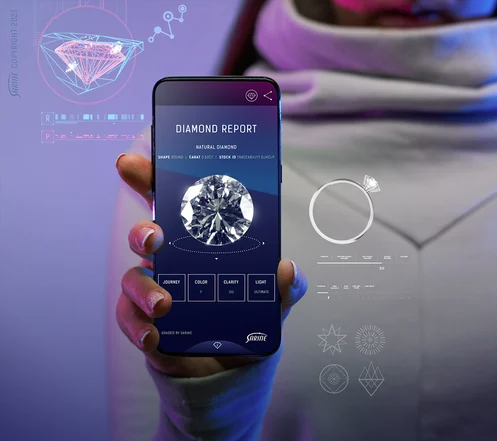
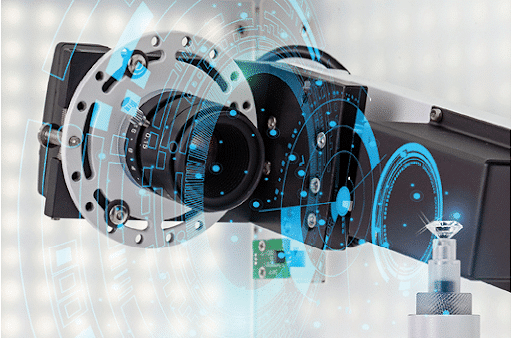
Using advanced imaging techniques, AI grades gemstones accurately and ensures consistency in production processes. Gemstones are graded accurately by cut, colour, clarity and carat weight.
Beyond grading and verifying individual gemstones, AI can also be used to analyse and authenticate entire jewellery pieces. This includes verifying the authenticity of the materials used, ensuring the piece meets quality standards and even detecting possible flaws or defects.
AI can also be used to monitor and track the condition of gemstones and jewellery over time, alerting owners or insurers to any changes or damage and ensuring timely maintenance or repair.

Sustainable and Ethical Sourcing Practices:
AI not only tracks the origin and journey of gemstones and precious metals, but also helps identify and mitigate potential risks or ethical concerns throughout the supply chain. By analysing data from various sources, AI can detect possible human rights violations, environmental impacts or other issues that may be associated with particular suppliers or regions.
AI is bringing revolutionary change to the jewellery sector. The advantages it offers in areas such as design, production, marketing, client service and supply chain management are increasing efficiency and client satisfaction across the sector. A jewellery sector equipped with AI will become more innovative, faster and more client-centred in the future. This transformation offers great opportunities and conveniences for both industry professionals and clients.
However, there are also challenges to consider in order to achieve successful integration and turn these opportunities into reality.
Data Availability and Quality:
High-quality data sets are needed to develop accurate AI models.
Integration with Traditional Processes:
Ensuring compatibility between AI technologies and traditional jewellery-making techniques is difficult.
Skills Gaps and Training Requirements:
New skills are required to work with AI technologies.
Cost and Investment Considerations:
Implementing AI solutions can be capital-intensive.
Ethical and Sustainability Concerns:
Ensuring responsible and transparent practices is important.
According to Paola De Luca, founder of the trend forecasting agency The Futurist, while it may take five to ten years for the disruptive changes brought by AI to be fully absorbed, the sector is already witnessing significant change.
Leading Brands Using AI in the Jewellery Sector
Tiffany & Co.
Personalised Recommendations: Using AI tools, Tiffany & Co. shows clients jewellery similar to items they have previously viewed or purchased, increasing the likelihood of additional purchases.
Pandora
Inventory Management: Pandora uses AI algorithms that analyse real-time sales data. These algorithms continually collect and analyse data from stores, online sales and other channels, enabling the company to identify which products sell best and which see less demand. By analysing historical sales data and seasonal trends, AI forecasts future demand.
For example, by examining how a particular jewellery collection performed in past holiday seasons, Pandora can anticipate future demand and adjust inventory levels accordingly. This ensures that stores focus on the most sought-after products and that these products are always in stock. It also reduces the costs of overstocked items.
De Beers
Production Precision: De Beers uses AI-powered laser cutters for diamond cutting. These machines optimise every cut, maximising brilliance and minimising material waste.
Bulgari
After-Sales Services: Bulgari uses AI to track client feedback and service histories, enabling it to offer customised after-sales services. These services include maintenance reminders based on a product’s specific wear and tear.
Cartier
Security and Fraud Detection: Cartier uses AI-powered surveillance systems to monitor high-value jewellery in its stores. These systems alert security staff to potential threats. Cartier is raising its level of security by using AI-powered facial recognition systems in its stores. These systems scan the faces of clients entering the store and compare them with potential threats in a database. When a suspicious person is detected, an instant notification is sent to security staff. Other AI-powered applications it uses include real-time monitoring and analysis, behavioural analysis, movement tracking, anomaly detection, data integration and analysis, and proactive security measures.
Swarovski
Market Analysis and Trend Forecasting: Swarovski uses AI-powered trend analysis tools to identify emerging trends in colour, style and design. This allows it to tailor its product offering and marketing strategies to current and future market demand.
By taking advantage of the benefits AI offers the jewellery sector, these brands have become pioneers in improving the client experience, optimising production processes and adopting sustainable practices.


