Hermès is a long-established French brand that has become synonymous with luxury and quality around the world. Throughout a journey that began in 1837, the brand has carved out a unique position in the industry through its exceptional craftsmanship, limited-production policy and rule-breaking marketing strategies. While many people think of Birkin bags or silk scarves when they hear the name Hermès, there is much more behind the scenes of this iconic company.
Beginnings as a Harness Maker (1837):
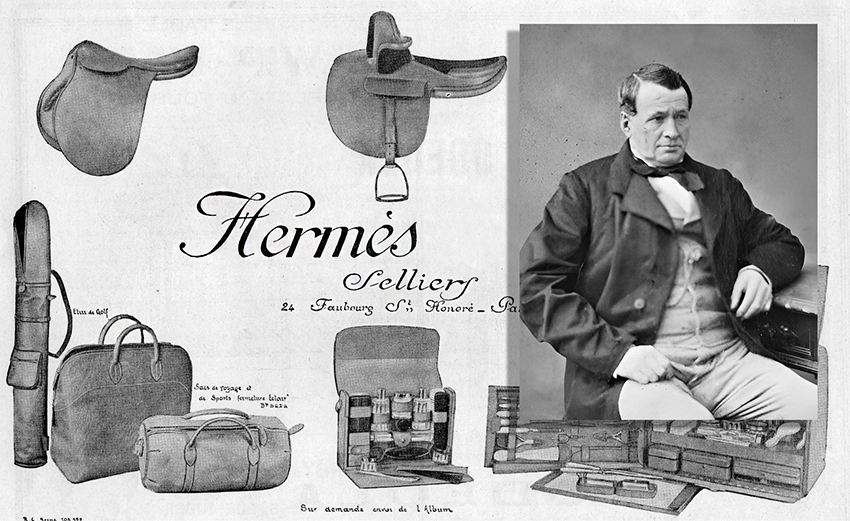
Hermès traces its roots to a modest harness workshop opened by Thierry Hermès in Paris in 1837. Gaining fame by making saddles, harnesses and leather accessories for the aristocracy, the workshop built the brand’s unshakeable reputation for craftsmanship. The horse-drawn carriage logo Hermès still uses today is a tribute to this equestrian heritage and a reference to the fact that its first customer was, in a sense, “the horse”.
The Secret of the Iconic Orange Boxes:
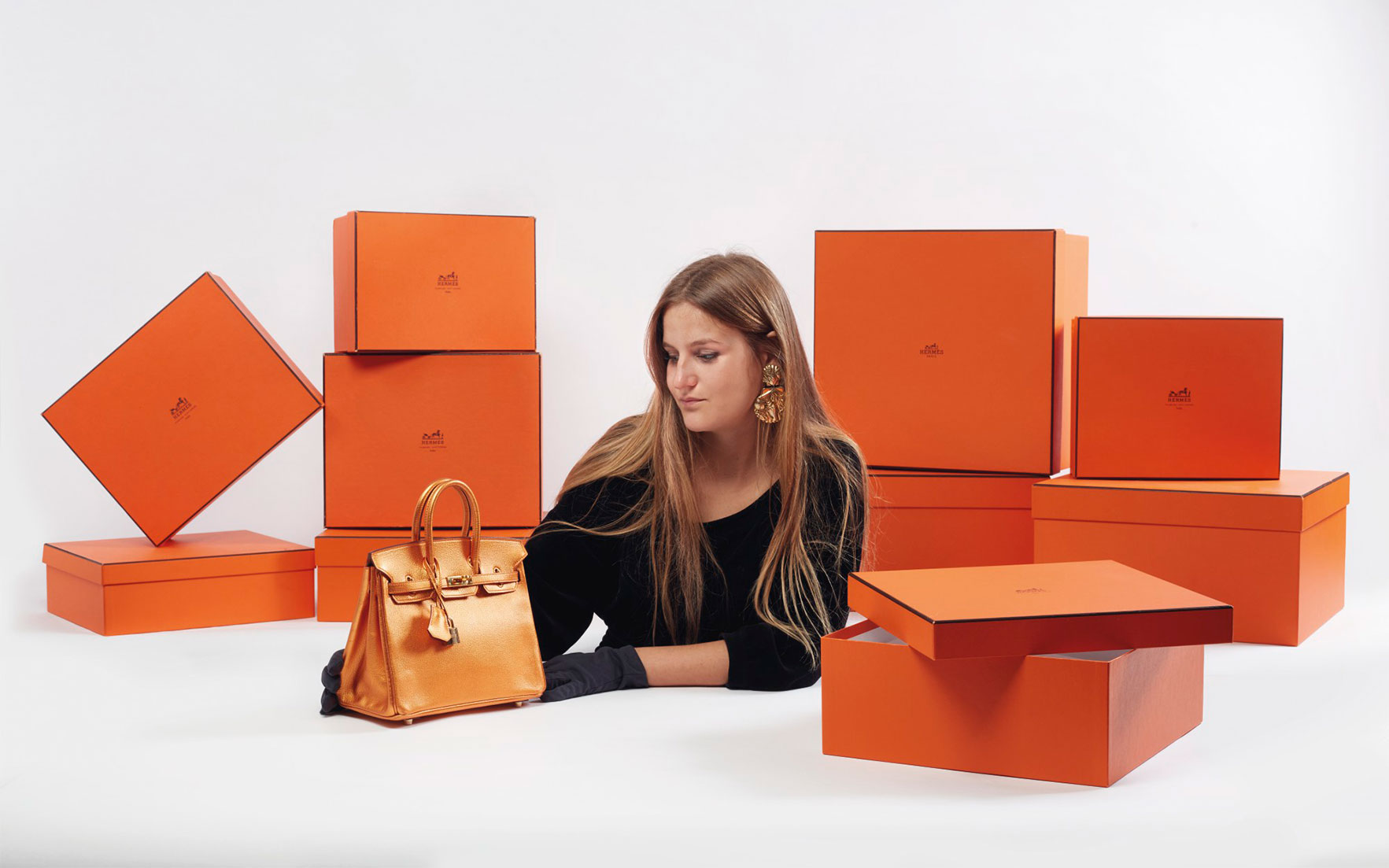
Hermès’s famous orange gift boxes were not originally that colour. In the 1920s, Hermès products came in cream-coloured boxes with a pigskin-effect finish. After the Second World War, when the original box material could no longer be found, the company had no choice but to use a different cardboard and colour — the orange now known as “Hermès orange”. Born of wartime necessity, this vivid orange packaging gradually became one of the brand’s signature elements.
The Brand That Introduced the Zip to Fashion:
Hermès is known as the pioneer of the zip in the fashion world. In 1916, the founder’s grandson Émile-Maurice Hermès discovered the zip — then a new invention — while visiting Henry Ford’s car factory. With the idea of using the mechanism on leather, in 1922 he secured for Hermès the patent rights in France to use the zip on leather goods, and in 1923 a zip fastening was used for the first time on the legendary Bolide travel bag. The zip was so new in France at the time that it is even said to have been known for a while as the “fermeture Hermès” (the Hermès fastener).
Six Generations of Family Management:
Hermès is one of the few luxury brands that has never given up family control in its nearly two-century history. After Thierry Hermès, management passed in turn to his children and relatives; the company has been run by the Hermès family for six generations. As of 2016, family members still held more than 65% of Hermès International’s shares. While most major fashion houses have come under the umbrella of large conglomerates, Hermès’s status as a family company gives the brand unique room for manoeuvre in terms of independent decision-making and long-term vision.
The Battle for Independence Against the “Wolf in Cashmere”:
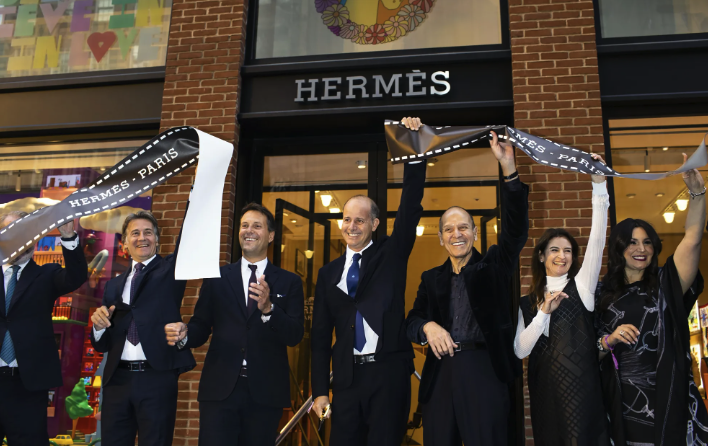
In the 2010s, Hermès was shaken by a hostile takeover attempt by LVMH chief Bernard Arnault, carried out through secret share purchases. Arnault, nicknamed “the wolf in cashmere”, had quietly bought more than 20% of Hermès’s shares in an attempt to gain control. In response, the Hermès family quickly united, pooling their shares in a family holding company and stopping Arnault. In the end, this very French “Hermès–LVMH war” ended with Arnault backing down and selling his shares. The episode proved Hermès’s determination to remain independent and earned an important place in the history of the luxury industry.
One Artisan, One Bag:
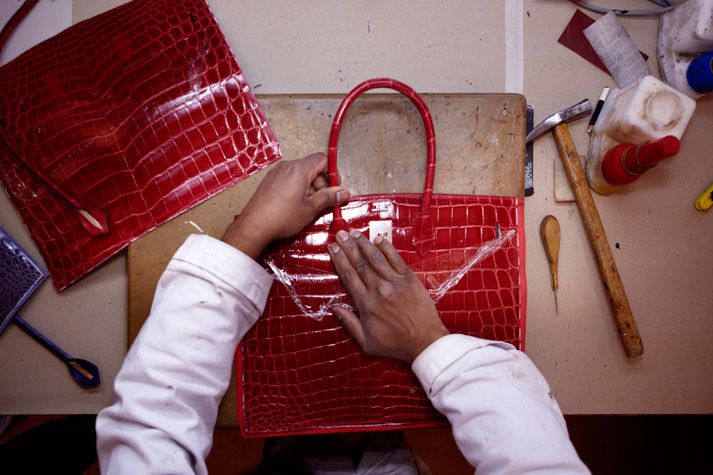
Hermès’s production philosophy defies industrialised mass production. The company has never moved to production lines or assembly lines. Every Hermès bag is made from start to finish by a single craftsman. Having the same artisan carry out every stage of making a bag — including cutting the leather, stitching and finishing — preserves the consistency and unique spirit of the products. In this way, each bag becomes a special piece that effectively bears its maker’s signature.
40 Hours of Work and 5 Years of Training:
Hermès’s highly skilled production process requires patience and expertise. For example, it takes a single artisan around 40 hours of intensive handwork to make a Birkin bag. What’s more, talent alone is not enough to work in Hermès’s workshops: before a craftsman is allowed to make a Birkin single-handedly from start to finish, they are generally expected to complete at least five years of training and apprenticeship. This long investment in training underlines the importance Hermès places on quality and detail, and explains why it deliberately refuses to keep pace with mass production.
Controlled Production and French Labour:
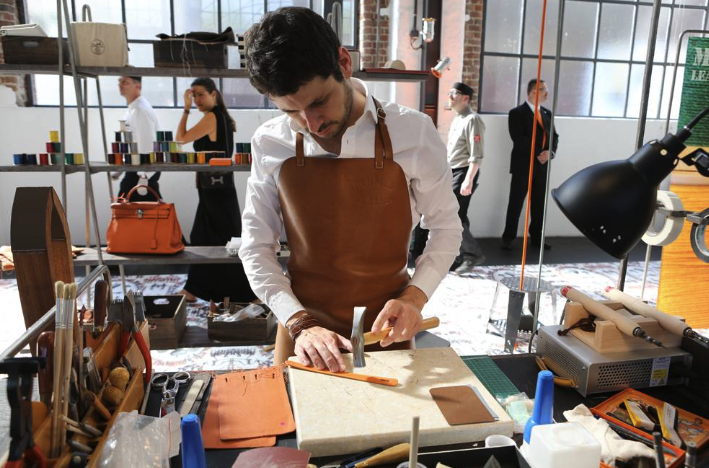
Despite surges in demand, Hermès deliberately limits its production capacity. By company policy, the number of new artisans joining its workshops each year is quite low (around 200 new craftsmen a year). Most of its more than 50 workshops are located in France, and around 78% of Hermès products are still made in France. By choosing to grow in small steps rather than rapidly increasing production, Hermès always keeps demand slightly ahead of supply, keeping its products rare and its quality control sustainable.
No Marketing Department, Marketing Everywhere:
Interestingly, Hermès has no traditional in-house marketing department. While huge advertising budgets are considered normal in the luxury fashion industry, Hermès follows a “product-led” strategy. In the famous words of former CEO Jean-Louis Dumas: “We don’t have an image policy, we have a product policy.” Rather than relying on advertising campaigns or seasonal sales, Hermès believes its expertly crafted products will market themselves. The in-store customer experience, the aesthetics of its packaging and the consistency of the brand story are Hermès’s marketing tools.
A Brand Strategy Without Ads or Ambassadors:
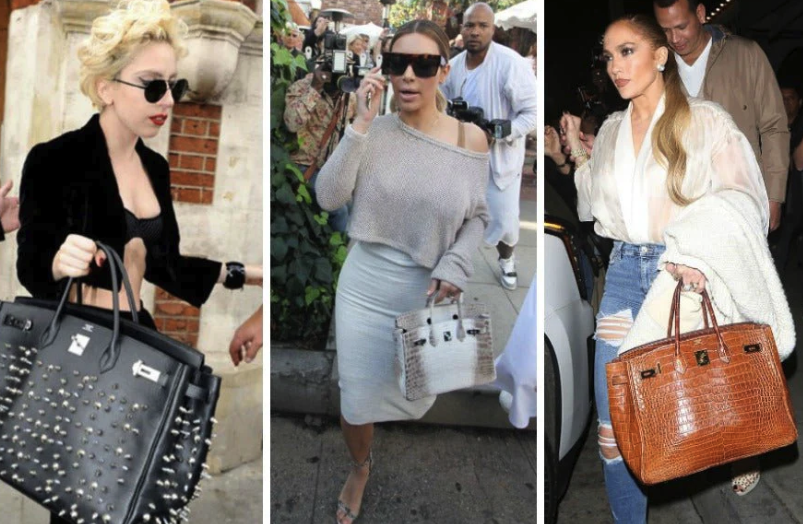
Unlike many luxury brands, Hermès is not keen on sponsorship deals with famous faces or on featuring stars in its advertising campaigns. For Hermès, an A-list celebrity being seen with one of its bags is of course valuable, but this is usually the natural result of that celebrity being a Hermès customer, not of an advertising deal. Because the company has adopted a strategy of “not seeing its products in everyone’s hands”, it prefers to focus on an exclusive clientele rather than reaching the masses through advertising. This quiet, exclusive image protects the brand’s prestige while keeping curiosity alive.
Demand Created Through the “Waiting List”:
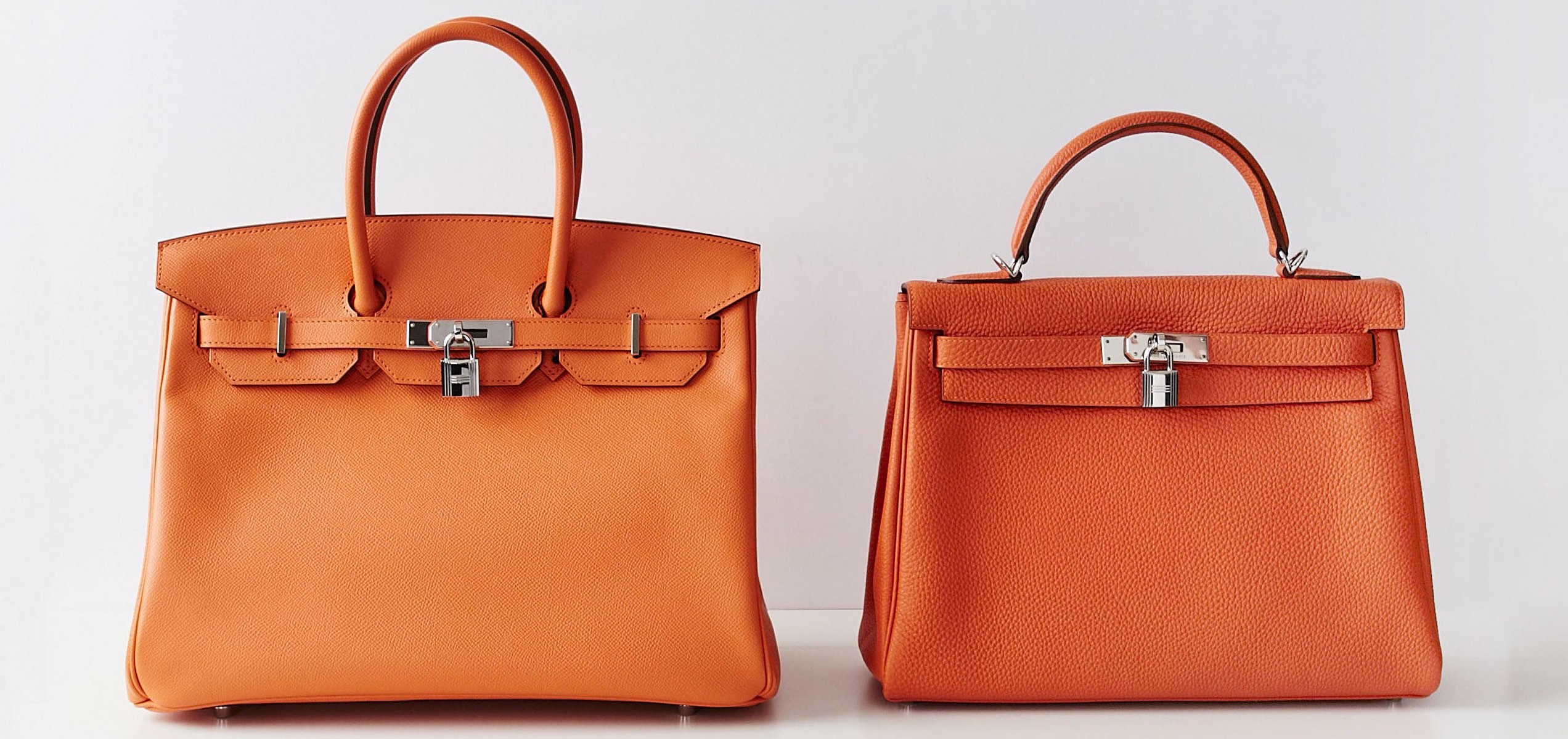
Hermès has a scarcity strategy that defies the classic rules of economics. Instead of selling its highly sought-after Birkin and Kelly bags immediately at ever-higher prices, it keeps access restricted and makes customers wait. A customer cannot simply walk into a Hermès store and buy a Birkin; first the store must consider them suitable and approve the order, and then they must wait months for the production process. For many years Hermès operated “official waiting lists”; today the system is more discreet. Because demand always exceeds supply, stock availability and the customer relationship determine the process. Economists have noted that thanks to this “rationing” by queue rather than by price, demand never falls — indeed, the wait fuels customers’ desire for the brand and steers them towards other Hermès products. As a result, customers who cannot get a bag turn to products such as scarves and belts as a consolation, and sales rise across the brand.
No Discounts — Destruction Instead:
For years Hermès has been famous for never holding end-of-season sales or selling through outlets. So what happens to unsold products? In the past, like many other luxury brands, Hermès chose to destroy unsold stock rather than discount it. Along with giants such as Chanel and Louis Vuitton, Hermès is known to have burned its excess products for years to protect its image. This strict approach stems from the principle of never allowing any perception of “cheapening” that could damage the brand’s pricing power and exclusive position. (Note: in 2022 France banned the destruction of fashion products on environmental grounds, and Hermès has now had to turn to more sustainable methods of stock management.)
Customer Profile:
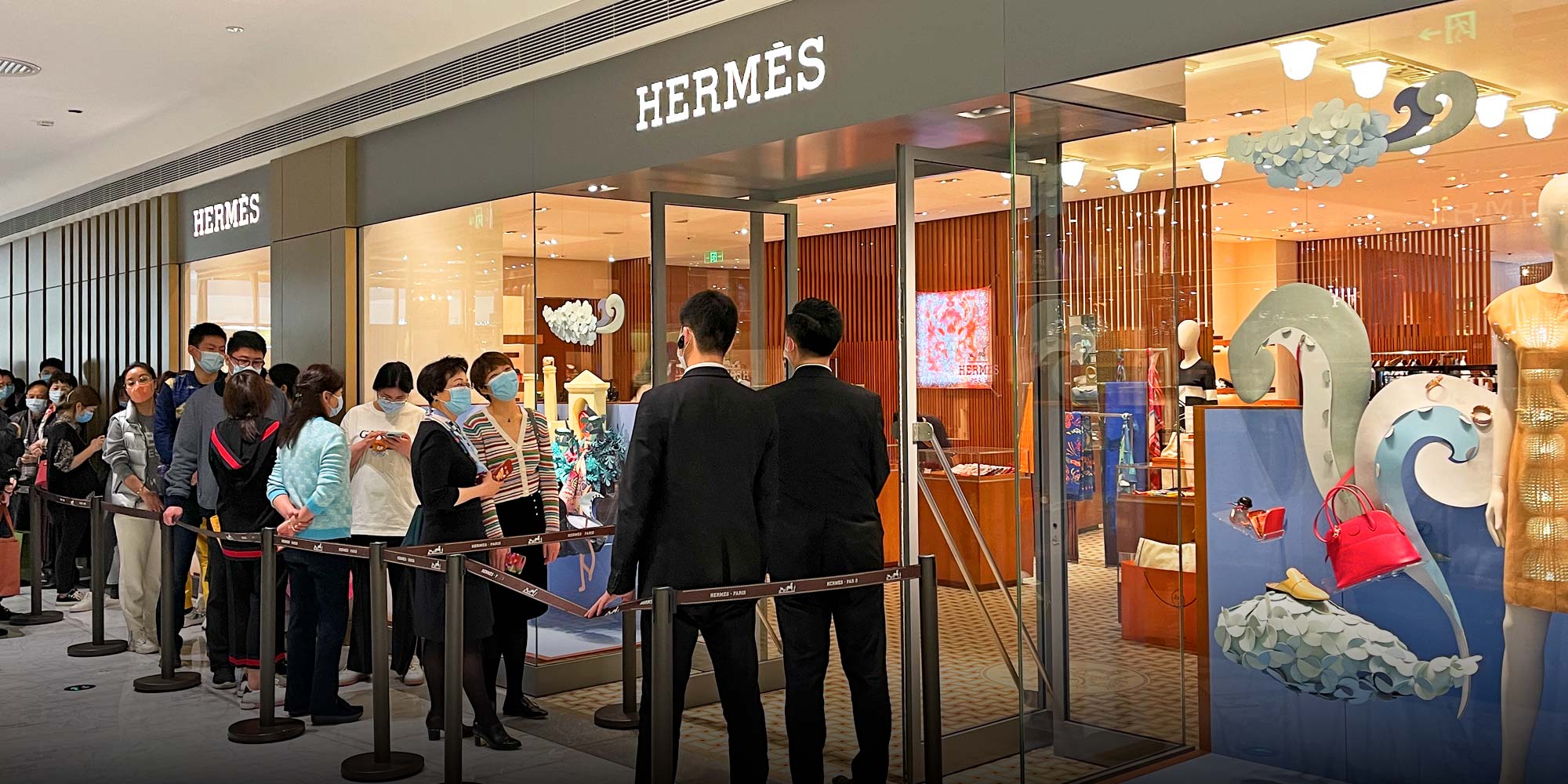
An Asia-Focused Global Brand.. Hermès’s customer base is extremely diverse geographically. 91% of the brand’s sales come from outside France. In recent years in particular, the Asian market has become Hermès’s largest source of revenue: in 2022, 57% of Hermès’s global revenue came from customers in Asia. The growing number of luxury consumers in Asia, led by China, is one of the most critical factors supporting Hermès’s growth. Perceived in Europe and America as an “old-established” brand, Hermès has become a status symbol and an investment for the newly wealthy in Asia.
The Weight of Two Bags in Sales:
Although the Hermès range consists of hundreds of items, two legendary bags — the Birkin and the Kelly — account for a disproportionate share of the company’s financial success. According to a Wall Street Journal analysis, the Birkin and Kelly bags alone make up roughly 25–30% of Hermès’s total sales. This extraordinary proportion shows how these iconic products drive the brand’s reputation.
Birkin:
From Fashion Accessory to Investment Vehicle.. Birkin bags have become not just a stylish accessory but an investment whose economic value increases over time. A 2016 study found that the average return on Hermès Birkin bags over the previous 35 years was higher than that of gold. In other words, the Birkin is seen as one of the assets whose value rises most steadily. What’s more, Birkin bags have a resale value far above their retail price: a customer who manages to buy a new Birkin in a popular model or rare colour can resell it immediately for a profit of 50% to 100%. Limited colours and special-order pieces (stamped with a horseshoe) in particular fetch record prices at auction. The financial performance of Birkin bags has redefined the concept of collectible value in luxury goods.
The World-Record Himalaya Birkin:
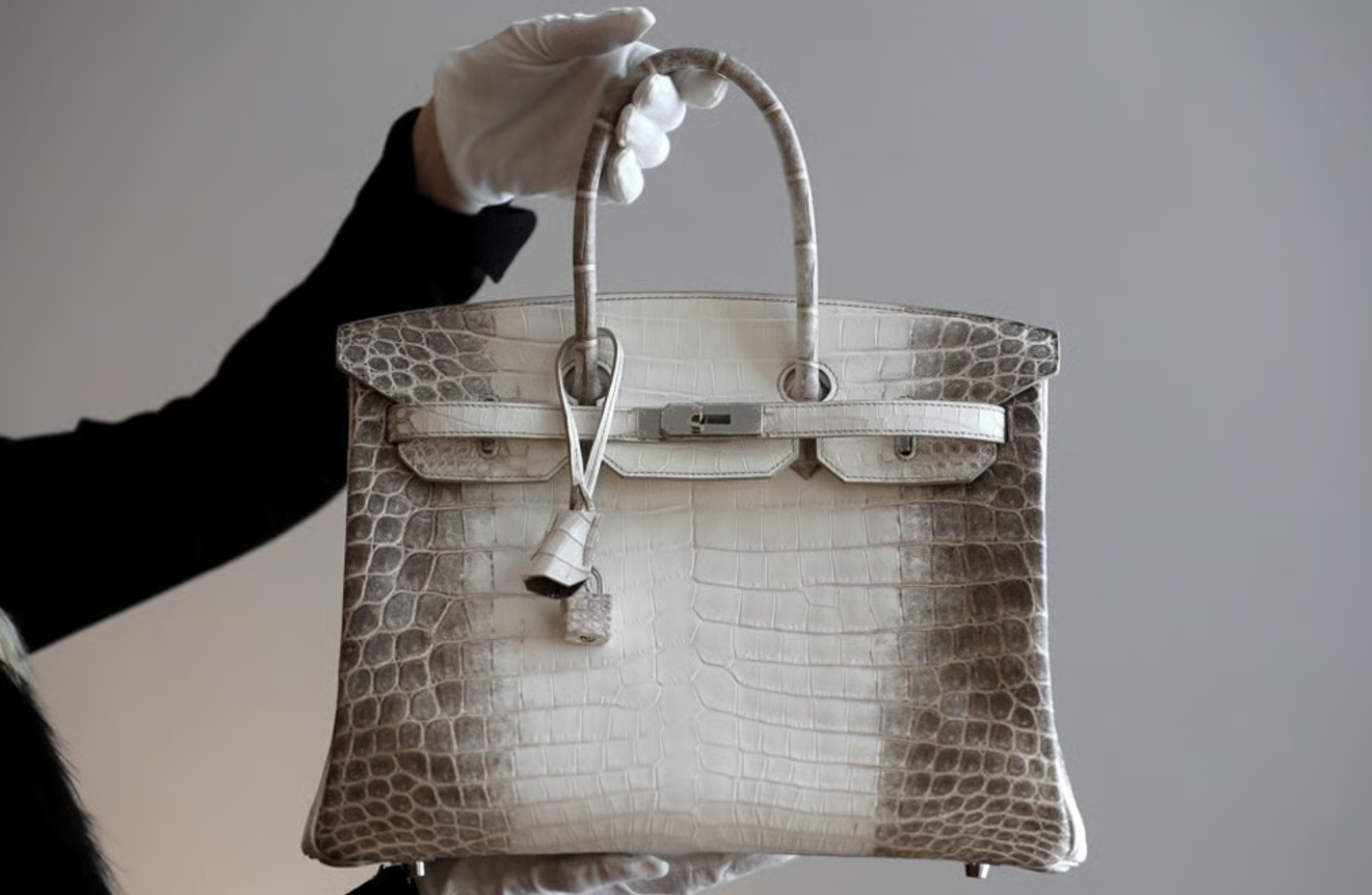
Hermès’s rare limited-production pieces can reach incredible prices on the auction market. The most striking example is the brand’s Himalaya Birkin. Made from Nile crocodile skin in a white gradient colour reminiscent of the snow-capped peaks of the Himalayas, this Birkin, with its 18-carat gold hardware and 240 diamonds, is considered a unique collector’s item. At a Christie’s auction in Hong Kong in 2017, a 30 cm Himalaya Birkin sold for a record price of around US$380,000 — one of the highest amounts ever paid for a handbag.
Hermès’s Surprise Products:
A $13,000 Basketball.. Hermès makes a name for itself not only with classic fashion items but also with unusual luxury objects. The brand loves combining everyday objects with its own impeccable craftsmanship to create extraordinary products. In 2017, for example, Hermès stepped into the world of skateboarding, releasing a longboard featuring archive patterns for around $3,000. Similarly, to celebrate the reopening of its Beverly Hills store, it unveiled a special basketball made in an edition of just two. Covered in Hermès blue Togo leather, these basketballs cost $12,900 each.

The Hermès Touch in the Automotive World:
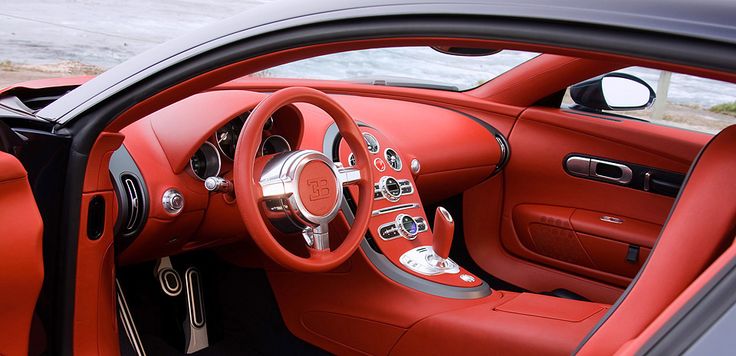
Going beyond fashion, Hermès has also brought its craftsmanship and design aesthetic to other fields such as cars. In 2008 it collaborated with Bugatti on the design of a limited-edition supercar, the “Bugatti Veyron Fbg par Hermès”. This was followed in 2012 by another limited series, the Hermès version of the Bugatti Veyron Grand Sport Vitesse — each of the 92 cars produced was fitted with Hermès’s iconic orange leather interior and sold to collectors for around $1.8 million.
Mushroom “Leather” and Sustainable Luxury:
Traditional Hermès may seem closed to innovation, but it is in fact investing seriously in R&D into sustainable materials. In 2021, for example, Hermès set out to produce a new version of its classic Victoria travel bag in a biomaterial alternative to real leather. Called “Sylvania”, the material is a leather-like textile grown in the laboratory from the root structure of fungi (mycelium). Working with California-based MycoWorks, Hermès developed this mushroom-based leather and launched it for the first time in its autumn/winter 2021 collection.
Outstripping Its Rivals in Market Value:
Hermès’s strategy, built on passionate craftsmanship and scarcity, has also translated into incredible financial success. By the mid-2020s, Hermès’s stock-market value began breaking records. In April 2025, Hermès’s market capitalisation on the Paris stock exchange reached €243.65 billion, briefly overtaking even the fashion giant LVMH and making it the most valuable company in the CAC 40 index.


