

The luxury sector is a field in which exclusivity, craftsmanship and prestige come together. Yet even the most iconic brands can stumble if they stray from the principles that define true luxury.
The path to lasting success in the luxury sector lies in striking a delicate balance between tradition and innovation, exclusivity and accessibility, and profitability and quality. By addressing these common mistakes and staying true to their core values, luxury brands can preserve their relevance and desirability. In an ever-changing world, preserving the allure of luxury while evolving to meet modern expectations is the ultimate formula for success.
1. Overexpansion Through Mass-Market Accessibility:
Luxury is synonymous with rarity and exclusivity. These qualities set it apart from the mass market.
In pursuit of higher revenues, however, some luxury brands expand their offering to include lower-priced product lines or partner with mass-market retailers. Although these ventures bring short-term gains, they often dilute the brand’s exclusivity and risk alienating high-net-worth individuals who prioritise uniqueness. Over time, the allure of luxury fades when it becomes too accessible.
Luxury brands must manage their market accessibility carefully. Strategies such as releasing limited-edition collections, creating high-profile collaborations or offering exclusive services can reach new audiences without compromising exclusivity. Maintaining selective distribution channels aligned with the brand’s luxury ethos also reinforces its premium status.

Example: Burberry
In the early 2000s, Burberry suffered a serious identity crisis by spreading its iconic check across the mass market. The brand became associated with counterfeit products and overly accessible, which damaged its luxury perception. Burberry subsequently regained its reputation by restricting licensing agreements, taking control of product distribution and focusing on high-quality premium products.
2. Neglecting Heritage and Storytelling:
The essence of luxury lies in its rich heritage, unique craftsmanship and timeless artistry. Brands that fail to emphasise their heritage and stories risk becoming indistinguishable from their competitors. When heritage and storytelling are overlooked in marketing campaigns or product design, the emotional bond that draws clients to the brand can weaken, making the brand appear less authentic and desirable.
Storytelling should be at the heart of every aspect of a luxury brand’s strategy. This includes highlighting the brand’s history, the expertise of its artisans and the journey of each product. Through digital campaigns, in-store displays and client experiences, brands can celebrate their heritage and reinforce their values. Consumers are captivated by narratives that transcend the product and create a deeper emotional connection.
Example: Ralph Lauren
By drifting away from its story built around the American Dream, Ralph Lauren lost its brand identity and appeal for a time. Diversification efforts weakened the brand’s core. The brand subsequently revived its heritage by focusing its campaigns on the American way of life, strengthening its emotional bond. Investment in storytelling revived consumer interest.
3. Compromising Quality for Profit:
Luxury clients demand perfection. The moment a brand compromises on quality, whether through cheaper materials or shortcuts in production, it puts its reputation at risk. In the luxury market, even minor flaws are magnified, and clients immediately notice any decline in the craftsmanship or materials they associate with the brand.

Quality must always come before cost-saving measures. Rigorous quality control processes, investment in superior materials and collaboration with skilled artisans are non-negotiable. By consistently delivering exceptional quality, brands not only justify their premium prices but also foster client loyalty and admiration.
Example: Chanel
Chanel faced complaints about peeling and deteriorating materials in its costume jewellery. This contradicted the perception of quality expected in the luxury segment and damaged the brand’s image. Chanel subsequently responded by raising its quality standards and focusing on marketing campaigns that highlighted its craftsmanship.
4. A Weak Digital Presence:
Luxury brands have traditionally been cautious about embracing digital platforms, fearing that the online world lacks the sophistication and exclusivity of in-store experiences. In today’s connected world, however, an inadequate digital presence can make a brand invisible to younger, tech-savvy audiences. A poorly executed online strategy can create a perception of obsolescence that runs counter to the innovation luxury represents.
An effective digital presence must blend innovation seamlessly with exclusivity. Luxury brands should invest in visually striking, user-friendly websites that deliver immersive online shopping experiences. Features such as virtual consultations, augmented reality product previews and curated recommendations enhance the digital journey. Social media platforms can also serve as a stage for telling the brand’s story, engaging audiences and showcasing products in ways that resonate with modern consumers.
Example: Prada
For a long time, Prada refused to move into e-commerce and concentrated on its physical stores. This digital stagnation, however, left the brand behind rivals such as Gucci and Louis Vuitton, which succeeded online. Prada eventually launched a strong e-commerce platform and succeeded in reconnecting with modern consumers by integrating social media and digital storytelling.
5. Ignoring Sustainability and Ethical Practices:
Sustainability is no longer a trend but a demand. Today’s luxury consumers, especially Millennials and Generation Z, prioritise ethical sourcing, environmental responsibility and transparency in production. Brands that ignore these values risk alienating a significant portion of their audience and facing a public backlash that could cause irreparable damage to their reputation.
Sustainability must be woven into the fabric of a luxury brand’s operations. This includes sourcing environmentally friendly materials, adopting circular fashion practices and ensuring ethical working conditions. Transparency in these efforts builds trust with clients and strengthens the brand’s image. Moreover, highlighting these practices in marketing campaigns communicates a commitment to values that resonate with the modern luxury consumer.
Example: Burberry
In 2018, Burberry faced fierce criticism after revealing that it had burned unsold products. The practice ran counter to modern consumers’ expectations of sustainability and seriously damaged the brand’s reputation. Burberry subsequently pledged to end the destruction of stock and followed a more sustainable course by investing in carbon neutrality and environmentally friendly materials.
6. Celebrity Collaborations at Odds with the Brand:
Celebrity endorsements can increase a luxury brand’s visibility, but they can backfire when poorly chosen. Collaborating with celebrities or influencers who do not match the brand’s identity can create confusion and dissonance.
Celebrity collaborations should reflect the brand’s values and image. The best collaborations involve personalities who genuinely embody the brand’s spirit and appeal to its target audience. These relationships should feel organic and mutually beneficial. Collaborating with a celebrity known for refined taste and an appreciation of craftsmanship, for example, can increase the brand’s credibility and desirability.
Example: Chanel
Although Chanel’s collaboration with Kristen Stewart aimed to appeal to a younger audience, it was criticised by classic Chanel clients. Stewart’s rebellious image did not match Chanel’s elegant identity. Chanel subsequently struck a balance by also adding timeless icons such as Margot Robbie and Penélope Cruz to its roster, appealing to a broader audience.
7. Failing to Innovate:
Tradition is the cornerstone of luxury, but clinging to it at the expense of innovation can make a brand appear stagnant. The luxury market is dynamic, and clients expect brands to push boundaries in design, technology and client experience. Failing to adapt to changing trends and consumer behaviour can make a brand irrelevant, particularly among younger audiences seeking novelty and modernity.

Luxury brands must strike a balance between honouring their heritage and embracing innovation. This might involve exploring sustainable materials, using cutting-edge technology or introducing groundbreaking designs. Staying ahead of market trends ensures that the brand remains relevant while preserving the integrity of its core identity.
Example: Cartier
Cartier was criticised for a time for clinging too closely to its classic designs. This allowed rivals such as Bulgari, which offered bolder designs, to capture the attention of younger consumers. Cartier subsequently took a bold step with innovative and modern collections such as Clash de Cartier, succeeding in appealing to both loyal and new clients.
8. Inconsistent Pricing Strategies:
Pricing is an integral part of a luxury brand’s identity. When clients encounter significant price differences between regions or excessive discounting, it can lead them to question the brand’s value. Although attractive in the short term, outlet stores and frequent promotions can erode a brand’s exclusivity and prestige in the long term.

To protect their high-end image, luxury brands should adopt consistent pricing strategies worldwide. Discounts should be minimal and exclusive, reserved for loyal clients or special events. Limited-time offers or personalised rewards can create urgency without undermining the brand’s perceived value.
Example: Chanel
During the pandemic, Chanel significantly raised the prices of its handbags in some regions. This disappointed loyal clients and drew criticism regarding the brand’s value.
Chanel subsequently sought to manage this perception by maintaining its pricing strategy while offering exclusive collections and limited-edition products. The need for consistency, however, came to the fore during this period.
9. Overlooking Emerging Markets:
While traditional luxury markets such as Europe and North America remain important, emerging markets such as China, India and the Middle East offer enormous growth opportunities. Many luxury brands, however, fail to adapt their strategies to these regions, often applying Western-centric approaches that overlook cultural nuances and local consumer preferences.

Understanding the cultural and economic dynamics of emerging markets is the key to success. This involves conducting market research, localising campaigns and offering products that resonate with the values and tastes of these audiences. Establishing a strong presence in these regions through flagship stores or digital platforms can enable a brand to gain a foothold in lucrative new territories.
Example: Tiffany & Co.
On entering the Chinese market, Tiffany maintained exactly the strategies it applied in the West, which meant it failed to connect sufficiently with Chinese consumers. Cultural symbols and local expectations were overlooked. Tiffany subsequently localised its strategy by collaborating with Chinese influencers and using culturally significant colours such as red in its New Year campaigns.
10. Underestimating the Client Experience:
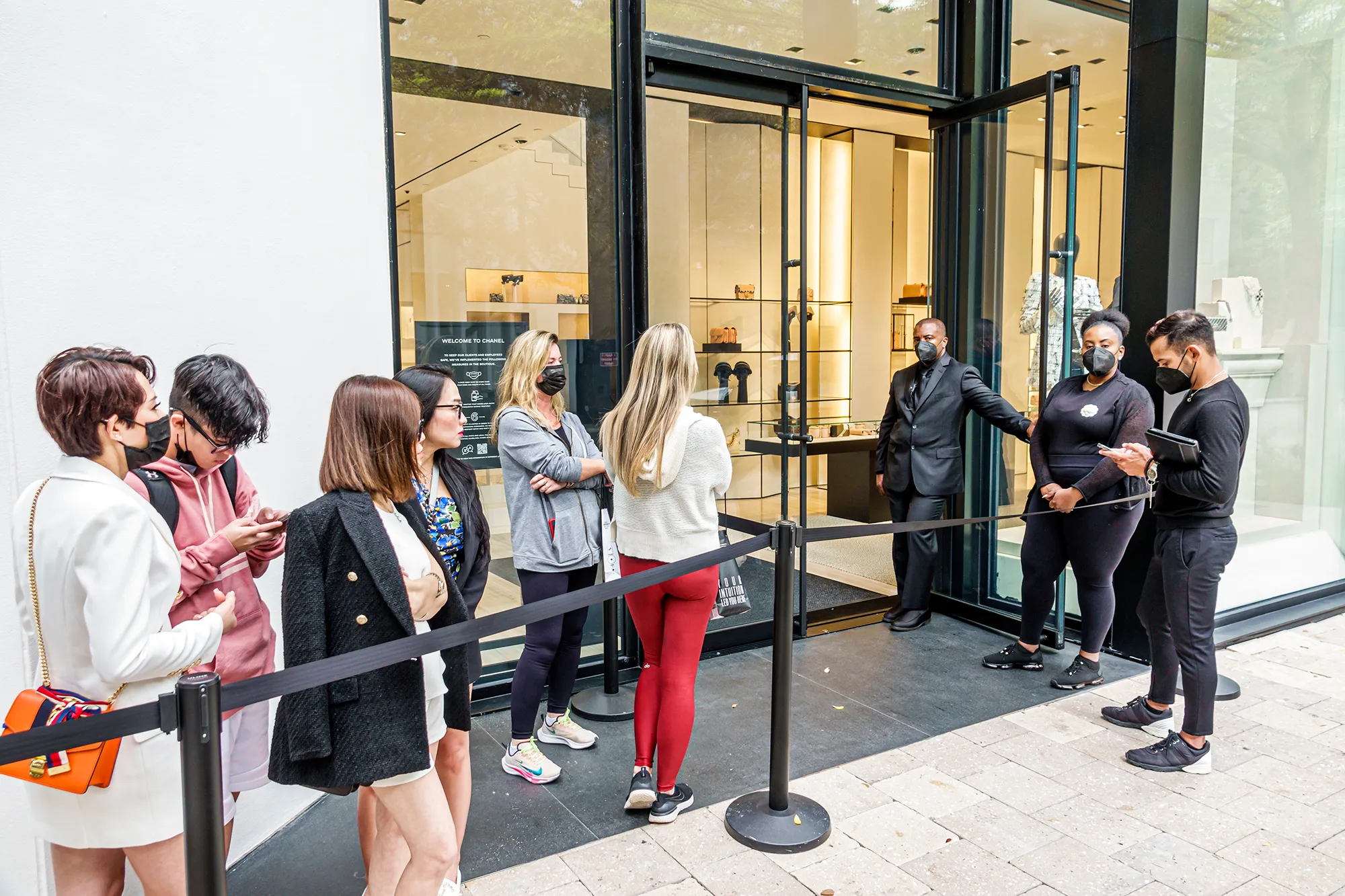
In luxury, the product is only one part of the equation; the experience surrounding it is equally vital. Mediocre client service, a lack of personalisation or inadequate after-sales support can tarnish even the most prestigious brands. In an age in which the client experience often defines loyalty, neglecting this aspect can be damaging.

Delivering flawless client experiences must be a priority. This includes personalised shopping experiences, attentive in-store service and comprehensive after-sales support. Luxury brands should invest in staff training, customer relationship management (CRM) tools and exclusive events to deepen their relationships with clients. A flawless and memorable experience strengthens the brand’s prestige and fosters lasting loyalty.
Example: Dior
Dior was criticised for inadequate client service and a lack of personalisation in some stores. This weakened the luxury experience the brand promised. Dior subsequently invested heavily in staff training and customer relationship management (CRM) systems, offering VIP services. Through private shopping appointments and personalised recommendations, it increased client satisfaction.


