
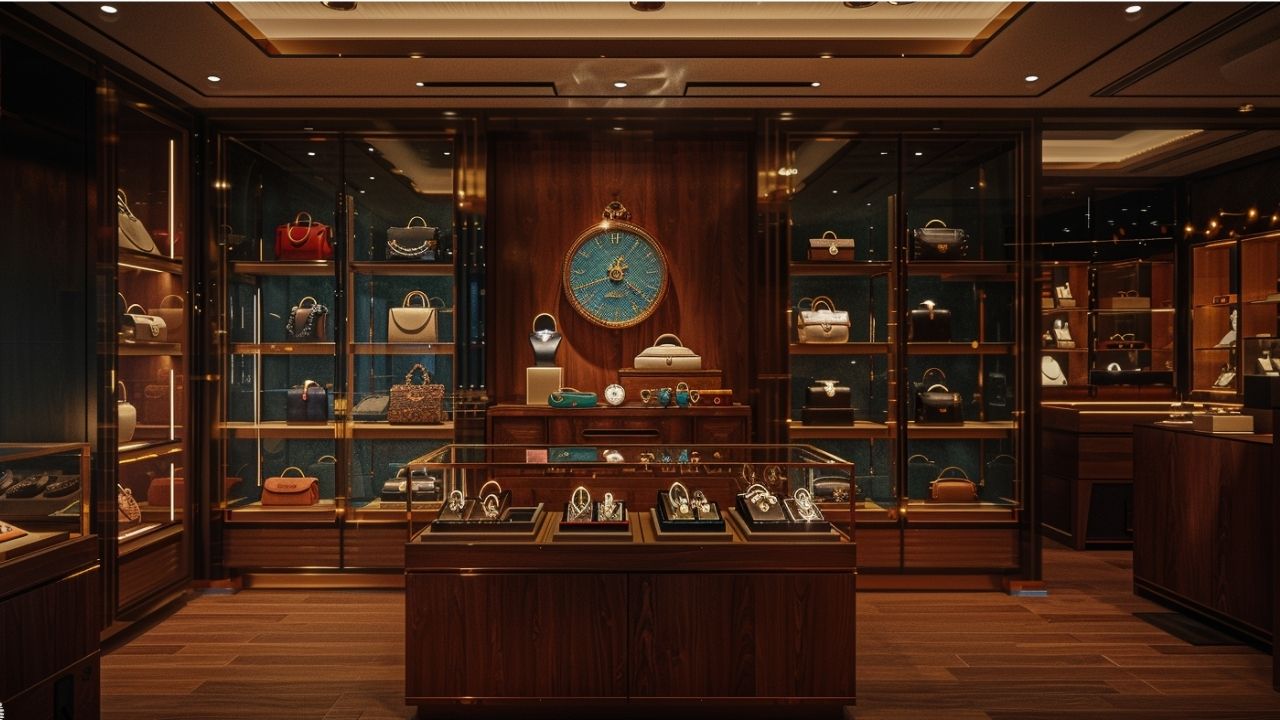
There is a common misconception in the world of luxury retail:
The belief that placing a few famous brands on your shelves automatically elevates your store into the luxury category.
The reality is far more complex. A luxury store is not a place where high-priced products are displayed. It is a structure in which trust is built, the experience is meticulously orchestrated and the brand’s promise is proven at every touchpoint. A store’s luxury status is therefore determined not by the brands in its window, but by a holistic system that extends from spatial design to service standards, and from curation to pricing discipline. In the world of luxury, it is not the products on the shelves but the experience and management discipline built around them that make the real difference.
One of the most dangerous statements in the luxury world is this:
“We carry luxury brands, therefore we are a luxury store.”
It is not wrong, but it is incomplete.
Luxury does not begin with a luxury product. It begins with control and proof.
Today, as the global pace of personal luxury goods slows, the price–value debate has become more visible. The “price increase” strategy worked for a while. Now, however, a far more powerful question echoes in the client’s mind:
“What am I really getting in return for this price?”
It is precisely at this point that the store ceases to be a showcase for products. It becomes a stage that proves the brand’s claim. In the world of luxury, a purchase is not merely a transaction. Luxury is also a process of belief.
For this reason, the concept of a “luxury store” does not simply mean a point of sale whose shelves carry luxury products, or products perceived as luxury. A true luxury store is the combination of a management system, a staging philosophy and an operational discipline that protects and grows brand equity.
A store’s luxury status is not determined solely by a product’s origin or price tag. It is formed by the convergence of many elements: the language of the space (servicescape), product curation, pricing and promotional discipline, service standards, consistency of the brand narrative, an authorised sales and service infrastructure, and the management of returns and buy-back processes.
My years in the industry and the experience I have gained have shown me this:
It is not the product that makes a store a luxury store. What truly determines it is the quality of the corporate design built around the product, which carries the brand’s long-term promise.
This corporate design covers a broad framework, from format and spatial design to atmospheric layout and in-store flow, and from curation and inventory strategy to service standards and staff training. Pricing policy, the store’s location, its role as a flagship, brand partnerships, KPI sets and sustainability alignment are also integral parts of this whole.
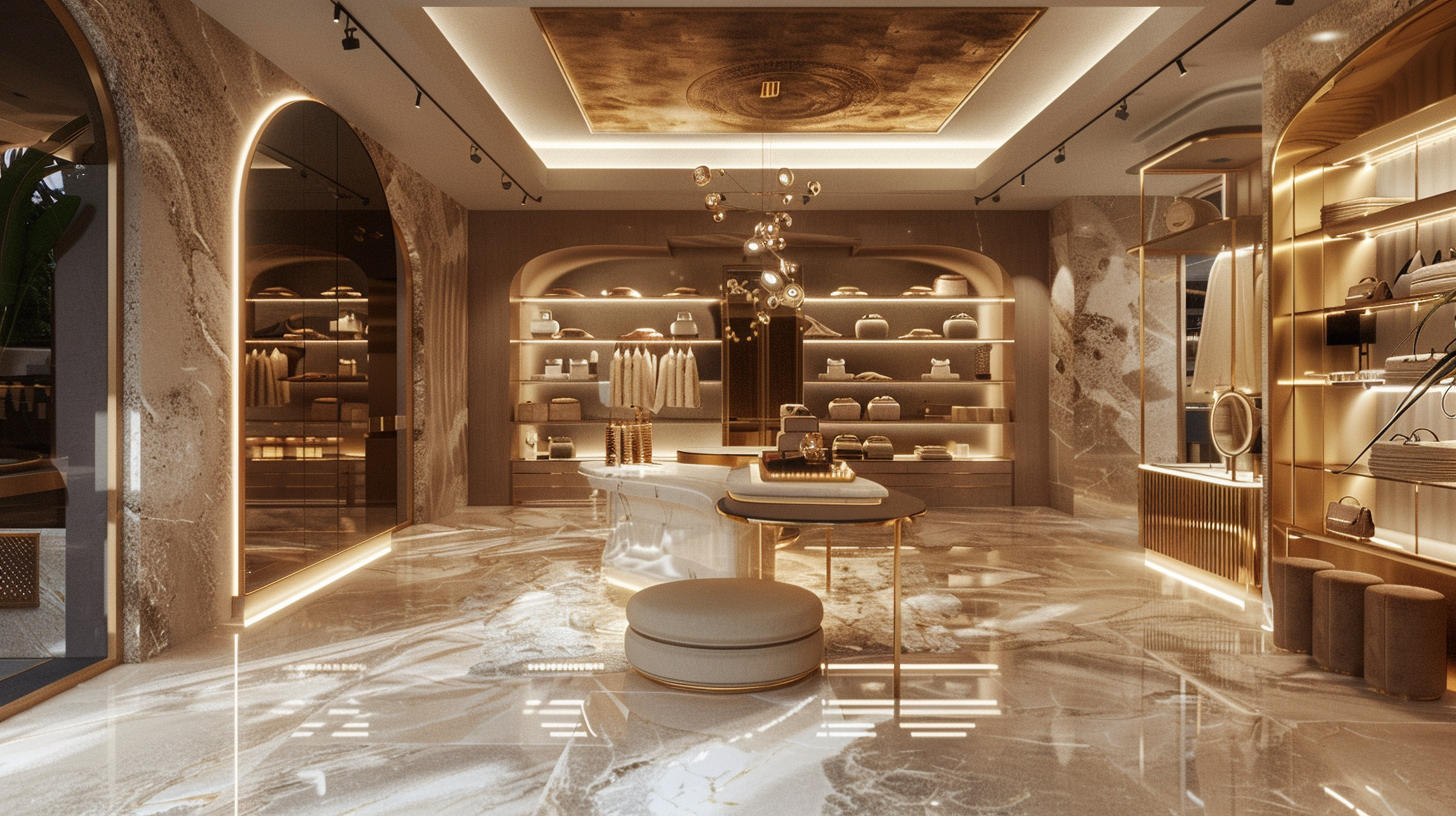
At this point, two concepts must be clearly distinguished.
“Selling luxury products” means that a retailer holds products of luxury brands in its inventory, physically or digitally. However, this does not necessarily mean that the store is an authorised dealer, nor does it automatically guarantee the experience staged by the brand, pricing and promotional discipline or consistency of the brand narrative. Selling luxury products, therefore, is often not a status but merely a matter of inventory.
“Being a luxury store” is something else entirely. It means that the store, whether single-brand or multi-brand, offers an experience system and management discipline designed to protect the luxury value of the brands it carries. In such a store, a sale is not merely a commercial transaction. The store also becomes a structure that generates selectivity, trust, relationships and proof.
Trust has become the luxury currency of our age. The scale of the counterfeit trade and the rapid growth of the pre-owned market make the store’s role as an “authority” even more important.
Rolex’s decision to run its Certified Pre-Owned (CPO) programme exclusively through its authorised retail network means combining authenticity verification, servicing and warranty processes within a single system.
Tiffany’s redesign of its flagship store with art, experience and building certifications shows that trust is no longer limited to product certification; corporate conduct and architectural approach have also become part of that trust.
Among multi-brand stores, Harrods is one of the best examples of this approach.
Harrods shows us that curation is a talent, service is a discipline and space is a language in its own right. When these three elements come together, a multi-brand store can also be a luxury store. Yet the same examples remind us of another truth: being a luxury store is a process that requires continuous investment and continuous alignment.
In the digital world, a more difficult question arises:
When a platform creates a “luxury corridor”, can it truly be considered a luxury store?
Amazon’s Luxury Stores initiative sought to answer this question and aimed to give brands greater control. However, a perception of luxury cannot exist entirely independently of the platform’s overall behaviour. Selling luxury products online is relatively easy; but because of the architectural experience, the relationship of trust and service standards, becoming a luxury store remains extremely difficult.
Ultimately, luxury store status is not a title written on the window. It is embedded in processes, measured, audited and continually re-staged. Today, regulation is also reinforcing this approach. Sustainability claims, supply chain responsibility and the digital product passport herald a new era in the luxury sector.
Luxury Store Design
In luxury store design, beautiful décor alone is not enough. Design is an infrastructure that turns the brand’s promise into behaviour. This infrastructure calms the client, establishes a sense of selectivity, builds trust and supports the rhythm of staff service. It also functions as a system that orchestrates the interaction between product, story and people.
In the services marketing literature, this area is addressed through the concept of the “servicescape”, in which the physical environment influences the behaviour of customers and employees.
In practice, the design approach that makes a store luxurious manifests itself in four main components.
In-store experience flow
The entrance area, window layout, reception point, discovery areas, fitting or sizing areas, private salons (VIP areas), payment points and after-sales service areas work together within a defined narrative. Major flagship stores extend this experience flow with art, exhibition, gastronomy and event spaces, transforming the store from a mere sales area into an experiential venue.
The language of materials and silent proof
Elements such as lighting, acoustics, scent, tactile surfaces, seating comfort, privacy and crowd management consistently convey the message of “value beyond price”.
The architecture of trust
In high-risk categories such as jewellery, watches and leather goods, trust is not created by the sales consultant’s word alone. Security infrastructure, display systems, certification processes, service areas and return or delivery procedures are integrated into the design.
Digital integration
A luxury store does not regard digitalisation as merely installing screens. The aim is to ensure that processes such as appointment management, stock visibility, personalisation, after-sales follow-up and brand storytelling operate without disrupting the rhythm of the store experience.
When used incorrectly, however, digital tools can quickly weaken the luxury perception the store is trying to build. The architecture of the physical space, the materials used and the product selection may have created a luxurious atmosphere; but if the store’s digital language is not aligned with that atmosphere, the perception breaks down. In social media communication in particular, constantly highlighting messages such as “20% off”, “deal” or “promotion” can easily contradict the value narrative of luxury brands.
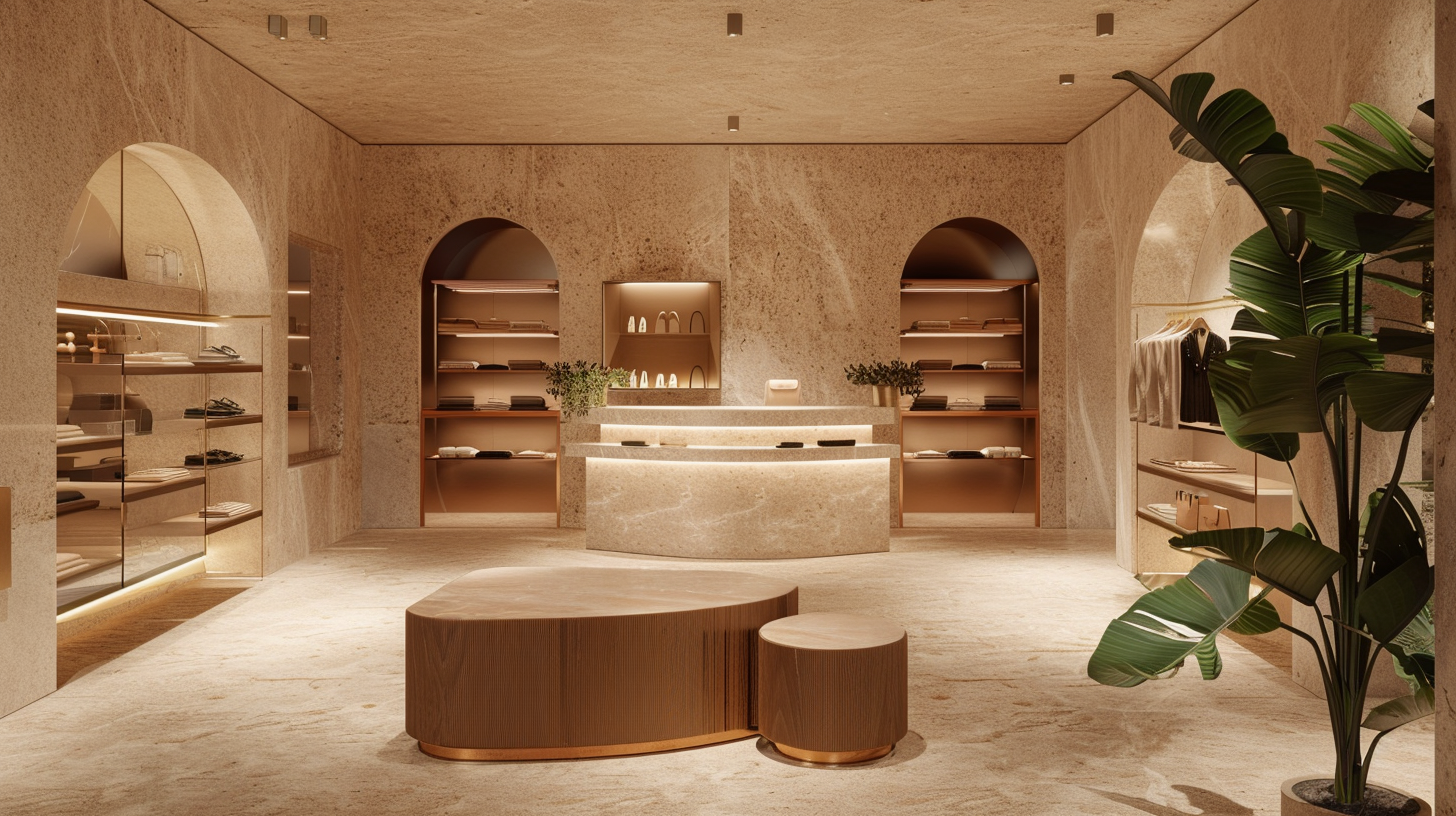
This kind of communication may generate sales in the short term. In the long term, however, it can damage both the store’s positioning and the perception of the brands it represents. Luxury brands build their value not through constant price incentives but through selectivity and desire. When a store’s social media feed is filled with discount messages, the store ceases to be a “luxury experience space” in the client’s mind and increasingly resembles an off-price retailer.
Digital integration therefore means not only the use of technological tools, but also the preservation of brand language and pricing discipline in the digital environment. For a luxury store, digital channels are not a noticeboard for sales announcements but a communication space in which the brand story, selectivity and a sense of trust are sustained.
One idea is frequently emphasised in Harrods’ brand narrative:
In exceptional products and services, true value is created beyond the price tag. This approach clearly expresses the fundamental logic of luxury retail. What makes a product expensive is not only the materials used or the cost of production. It is the story surrounding the product, the level of craftsmanship, the brand’s heritage, the manner of presentation and the service offered to the client as a whole.
This is exactly the approach Harrods has maintained for years. The store positions itself not merely as a place where the world’s most expensive products are sold, but as a stage where rare products, exceptional service and a meticulously designed shopping experience come together. For Harrods, value is therefore measured not by the height of the price, but by the sense of privilege the client feels on leaving the store.
It is precisely here that the fundamental distinction between luxury retail and expensive retail emerges. A store may place the world’s most prestigious brands on its shelves. It may display high price tags in its windows and still not be a true luxury store. What defines a luxury store is not the price of its products, but the holistic experience it offers.
The atmosphere of the space, the refinement of the welcome, the way the product is presented, the approach of the sales consultant and how the client feels…
When these elements come together, the result is not merely a purchase but an experience.
This is why perhaps the most fundamental truth of luxury retail is this:
Selling luxury products does not make you a luxury store.


