

Cartier’s historical development holds a very important place in the world of luxury. Cartier was founded in Paris in 1847 by Louis-François Cartier. Starting out as a small jewellery workshop, Cartier soon began serving royal families and the nobility. By the end of the 19th century, Cartier had become known for its elegance and sophisticated designs.
Jeweller to Royalty:
Over time, Cartier came to be known as “the jeweller of kings and the king of jewellers”. In 1902, King Edward VII of England ordered a large tiara from Cartier, earning the brand the title of “Royal Jeweller”. Since then, Cartier has created bespoke designs for many royal families and famous names.
Cartier is known as “the jeweller of kings, the king of jewellers”. Designing jewellery for many European royal families in the 20th century, Cartier received this prestigious title from King Edward VII of England. Through these ties with royalty, Cartier both strengthened its status and gained extraordinary prestige for the brand.

Queen Elizabeth’s Cartier Tiara:
Another example of the strong bond between royalty and Cartier is the Cartier tiara of Queen Elizabeth II of England. The tiara was designed by Cartier in 1936 and became one of her symbolic jewels after her accession to the throne. It became an icon often seen in portraits of the Queen and on coins and stamps.

The Birth of the Santos Watch:
Cartier is one of the brands that popularised the wristwatch as an accessory. In 1904 Cartier designed a wristwatch for the famous Brazilian aviator Alberto Santos-Dumont, who had complained about how difficult it was to use a pocket watch during flight. In response, Cartier produced the Santos de Cartier, the first wristwatch designed for aviators. It is regarded as one of the first modern wristwatches in the world.

The Tank Watch and Its Military Inspiration:
The Cartier Tank was designed by Louis Cartier in 1917, inspired by the military tanks used during the First World War. The first design had a structure resembling the shape of the tanks and attracted great interest in the post-war period. The Cartier Tank remains one of the most beloved models to this day.

Hunter of Exotic Stones:
Cartier went to great lengths to discover exotic stones around the world. It used rare and precious stones in the special jewellery it designed for the Maharajas of India and clients in other Asian countries. The Patiala Necklace, made for the Maharaja of Patiala in 1928 in particular, is one of the largest and most exotic pieces of jewellery in the world. Cartier’s interest in these stones made it an innovative and sophisticated brand in its choice of gems.
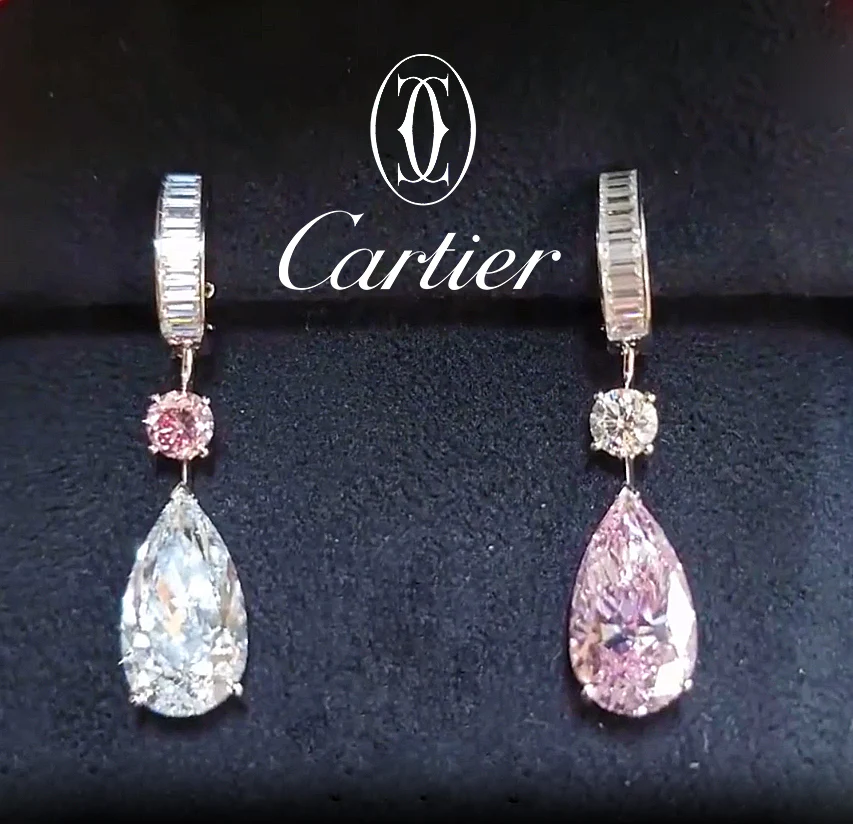
The Patiala Necklace:
In 1928, Bhupinder Singh, the Maharaja of the Indian state of Patiala, placed a special jewellery order with Cartier. The order was the Patiala Necklace, one of the largest and most valuable pieces of jewellery of its time. The necklace contained 2,930 diamonds, with a huge 234-carat yellow diamond at its centre. This magnificent piece reflects Cartier’s relationship with the Indian Maharajas and its interest in exotic stones. The necklace went down in history as a unique work combining India’s rich jewellery tradition with the modern design sensibility of the West.

The Pasha de Cartier and the Sultan Connection:
In the 1930s Cartier produced the Pasha de Cartier, a special watch designed for the Sultan of Morocco. Notable for its water resistance, the model was designed in response to the sultan’s passion for swimming. The Pasha went down in history as a symbol of Cartier’s innovative, bespoke designs, and a modern version of the model was launched in the 1980s.

The Panther Motif.. Bold and Unique Designs:
The panther motif, one of Cartier’s best-known symbols, holds an important place in the brand’s story. The person who played the biggest role in creating it was Cartier’s creative director, Jeanne Toussaint. Toussaint had a strong, free-spirited character, and her love of the wild led her to bring the panther figure into her designs. The first panther entered Cartier’s collections in 1935 and over time became the brand’s signature. The panther symbolises Cartier’s bold, innovative approach to design. In the 1940s, Wallis Simpson, the Duchess of Windsor, became one of the most famous owners of the motif; the panther-themed brooches and bracelets made to her order were among the most talked-about jewels of the era.

The Taylor-Burton Diamond.. A Jewel That Shone with Hollywood:
Another famous Cartier story took place in 1969. The world-famous actor Richard Burton bought a huge 69.42-carat diamond for his then partner, Elizabeth Taylor. The diamond was displayed at Cartier’s New York store at the time and attracted enormous attention. Known as the “Taylor-Burton Diamond”, the jewel further strengthened Elizabeth Taylor’s relationship with Cartier and cemented the brand’s ties with Hollywood. The size and splendour of the diamond established Cartier as one of Hollywood’s most exclusive jewellers.

Mystery Clocks:
Cartier’s “mystery clocks” are important works that show the brand’s mastery of both engineering and aesthetics. These clocks have hands that seem to float in mid-air, with their mechanisms completely hidden. When Cartier began designing them in 1912, it achieved a major innovation in luxury clock design. The mystery clocks tell a remarkable story of how Cartier was able to cross the boundaries between jewellery design and clockmaking.

Iconic Collections:
With collections such as the Love bracelet and Juste un Clou, Cartier also brought simplicity and elegance together in jewellery. The Love bracelet was designed by Aldo Cipullo in 1969, with the central idea of symbolising eternal love. Fastened with screws, the bracelet can only be removed with a screwdriver and symbolises the bond between two people.
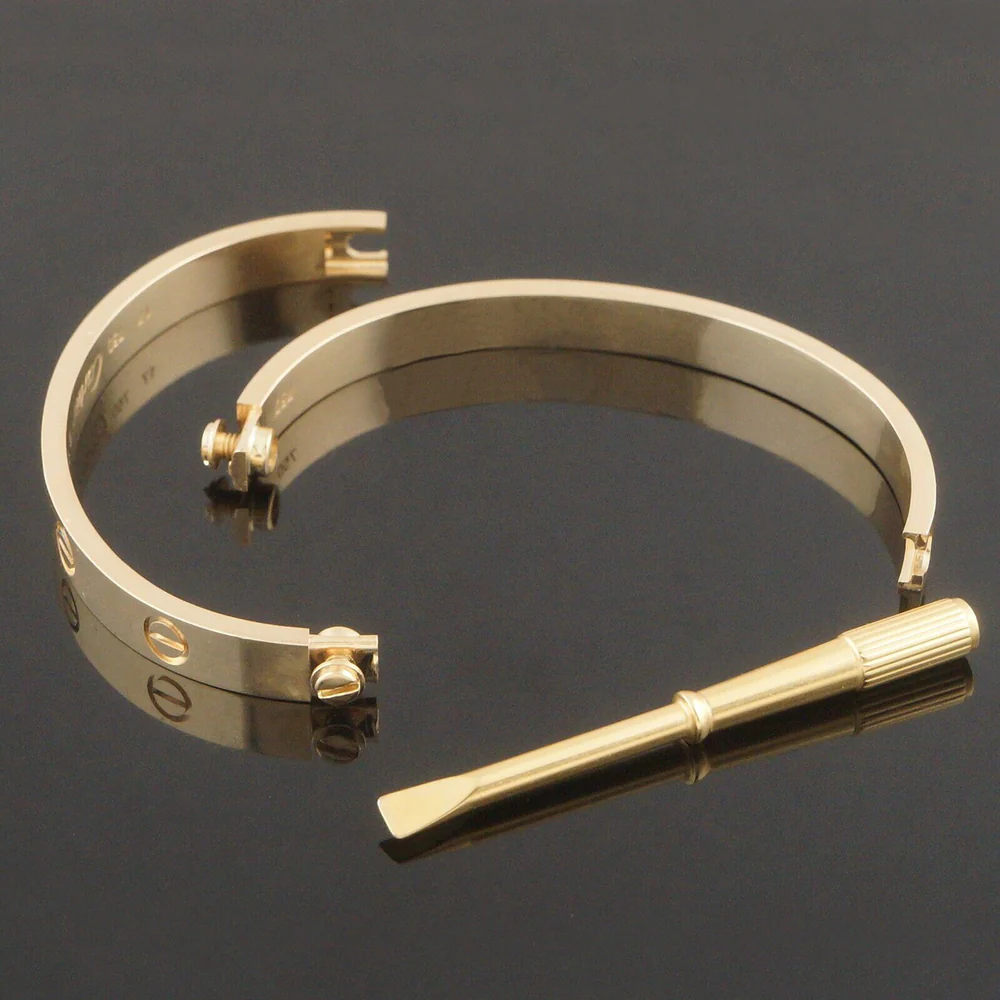
Minimalism and mastery come together in Cartier’s jewellery designs. The Love bracelet and the Juste un Clou series, for example, stand out for designs that are simple yet full of meaning. Designed in 1969, the Love bracelet opens and closes with a screwdriver and symbolises fidelity. Juste un Clou, meanwhile, was inspired by a nail and combines industrial forms with luxury. Such innovative approaches have made Cartier a representative of minimalist luxury.
Special and Personalised Designs:
Cartier is famous for personalised and fully bespoke jewellery. The brand’s clients range widely, from royal families to famous artists. The designs prepared specially for each client reflect Cartier’s level of craftsmanship in jewellery, and large-stone and exotic designs in particular are the most striking examples of this personalisation.
Princess Grace of Monaco (Grace Kelly) received her marriage proposal with a bespoke Cartier engagement ring. The ring featured a huge 10.47-carat emerald surrounded by baguette diamonds. It was a Cartier jewel designed entirely for her, perfectly reflecting Grace Kelly’s elegant style. Princess Grace’s devotion to Cartier is an important example highlighting the brand’s skill in personalised jewellery.

Cartier has made bespoke jewellery not only for royal families and celebrities but also for wealthy businesspeople and artists. The Mexican actress María Félix, for example, asked Cartier for a crocodile necklace made entirely for her. This unique necklace features two huge crocodiles made of gold and precious stones and shows how far Cartier can go with animal-themed personal jewellery.
Timeless Designs:
Cartier’s designs go beyond fashion; they are works that defy the spirit of the times. Whether designed 100 years ago or part of a modern collection, Cartier jewellery has always managed to be stylish. This timelessness ensures constant demand for the brand.
Stories That Bring Luxury and Innovation Together:
Cartier offers not only jewellery but also storytelling. Behind every design lies a story and a source of inspiration. Every product carries a cultural or historical meaning — whether it is the Panther collection drawing inspiration from the wild or the Tank watch becoming a symbol of the post-war era.


